
Tana River cooperatives get solar milk coolers to boost dairy production
HUSSEIN ABDULLAHI-KNA
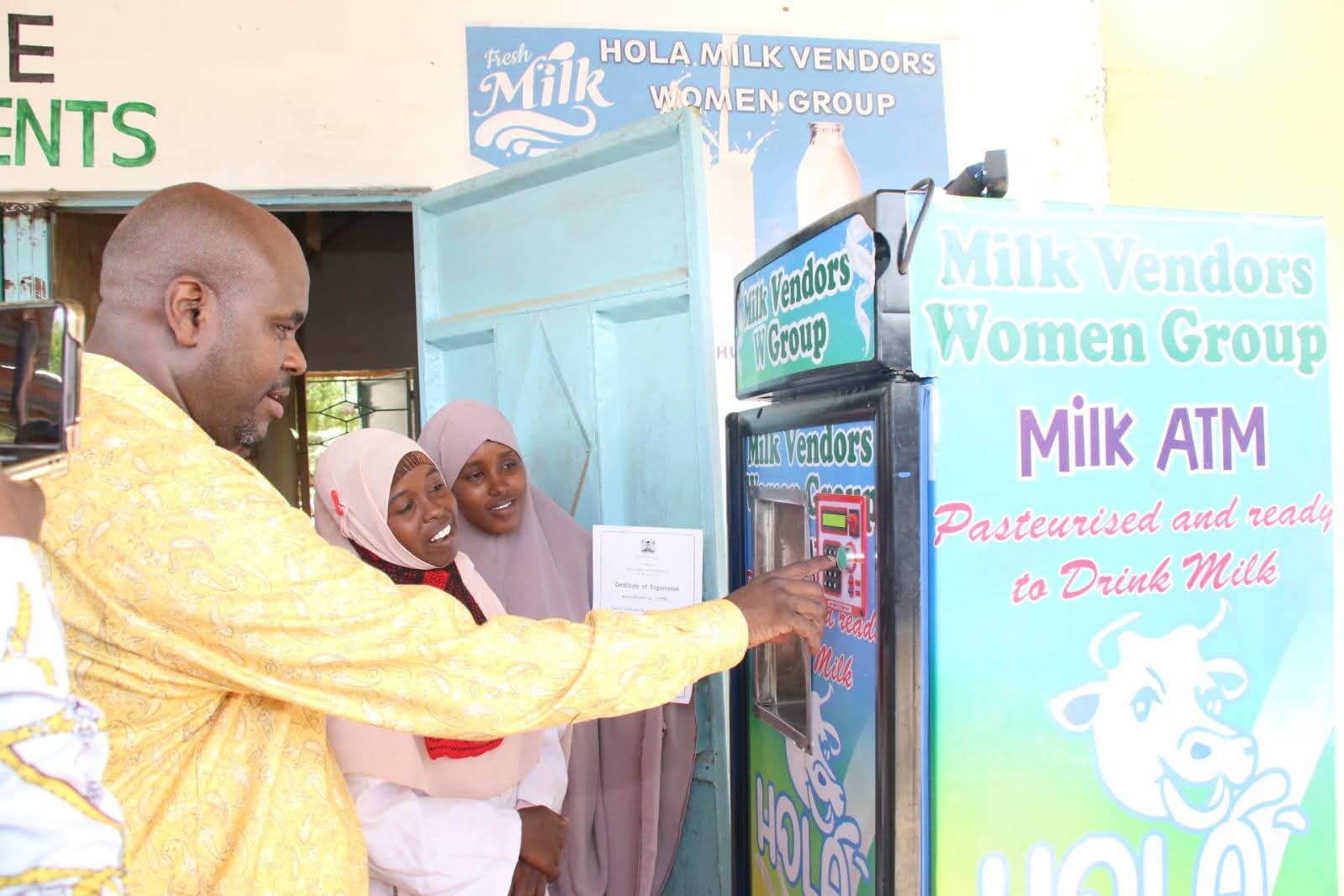
The Principal Secretary of the State Department for Cabinet Affairs, Dr. Idris Dokota, has commissioned two solar-powered milk coolers, each with a capacity of 1,000 litres, for Tana River cooperative societies to boost dairy farming.
Dr. Dokota said the solar-powered milk cooling systems target small-scale producers and seek to combat post-harvest losses and off-grid power challenges.
The solar-powered bulk milk coolers were handed over to Hola Milk Vendors and Delta Dairy Cooperatives.
Dr Dokota reiterated the National Government’s commitment to unlocking the economic potential of the livestock subsector through targeted policies and impactful programmes.
The PS said the initiative seeks to improve milk preservation, reduce post-harvest losses and increase incomes for dairy farmers in pastoralist communities.
“The initiative is expected to contribute to increase in household incomes among targeted pastoralist communities directly benefiting 600 farmers through improved preservation, value addition and expanded markets,” he said.
Dr Dokota said the two coolers will enable local farmers to aggregate up to 2,000 litres of milk daily valued at approximately Sh98, 000.
He went on: “Annually this will save about 730,000 litres of milk worth Sh35.8 million while also reducing energy costs through the use of renewable solar power technology.”
He said the coolers are being distributed under the Livestock Value Chain Support Project which aims to transition small-scale farmers from subsistence to commercial dairy farming by improving infrastructure and supporting access to formal markets.
Speaking during the event in Hola town, Dr Dokota urged more farmers to join cooperatives to utilize the new facilities and keep more milk fresh.
Dr Dokota noted that consumers will benefit from improved food safety standards resulting from better milk preservation and reduced bacterial contamination, while stable milk supply and improved quality will contribute significantly to household nutrition and food security.
“Bulk milk coolers are not merely storage facilities but are economic empowerment hubs capable of transforming milk into wealth, jobs, nutrition and opportunities for rural communities,” he said.
The cooling system will benefit smallholder farmers in remote pastoral areas to store milk safely until it reaches collection centres and markets.
The PS emphasized that for many decades farmers in rural and pastoralist areas have suffered major losses due to milk spoilage caused by inadequate cold chain systems and delayed transportation to processing facilities.
He stated that reduced milk handling losses and transport challenges will encourage farmers to invest in improved dairy breeds, better feeds and modern dairy production practices.
“The milk coolers seek to enhance value addition and help the local farmers with limited access to the national electricity grid reduce losses by preserving more milk,” he said.