
Table banking gives Nyeri widows a path to financial independence
WANGARI MWANGI AND SAMUEL MAINA -KNA
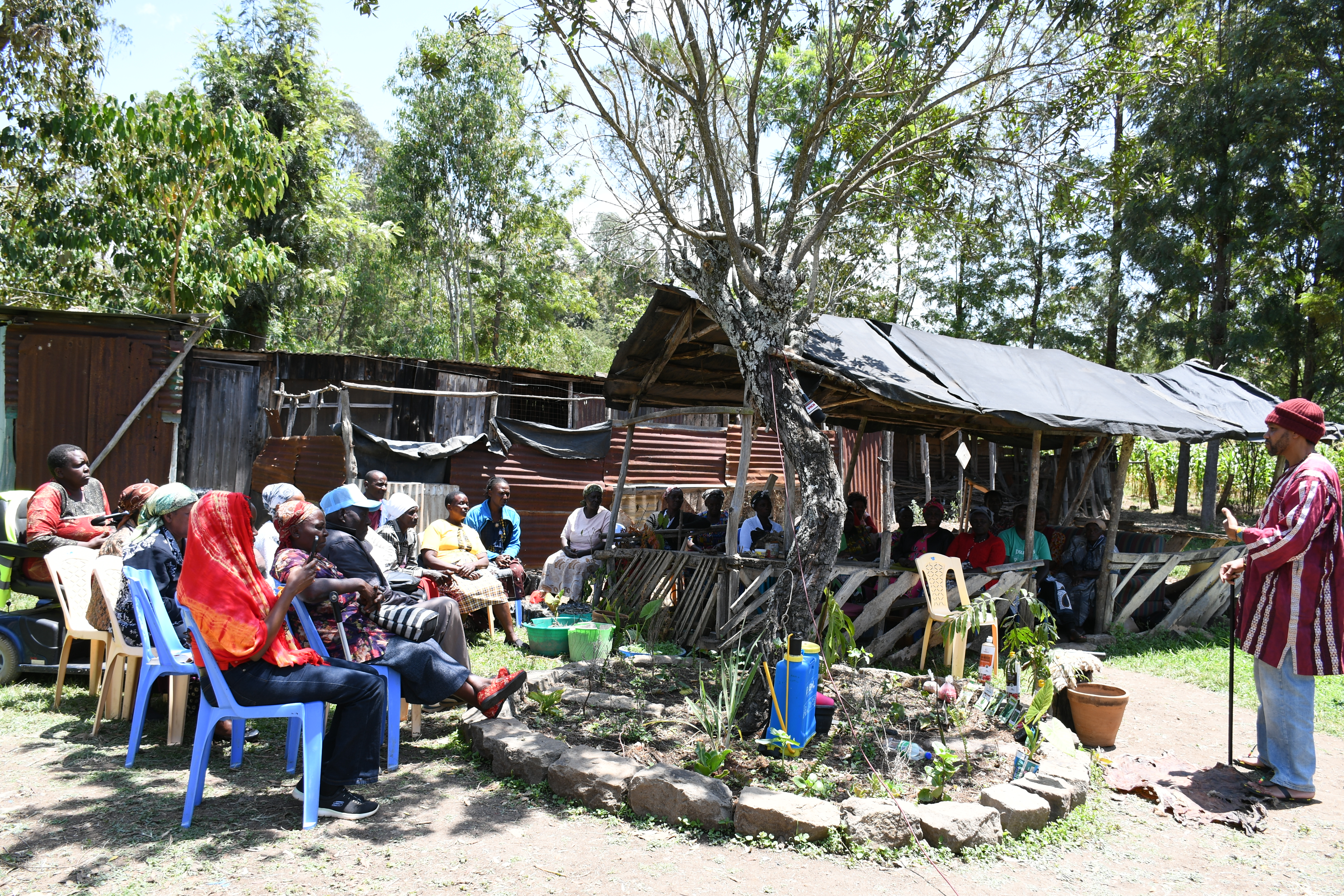
At a modest homestead tucked within Karunda in Chaka, Nyeri County, a group of widows gathers in a circle for their regular table-banking meeting.
The air is filled with chatter and laughter as they exchange pleasantries before the serious business of money begins.
One woman, armed with a notebook, listens keenly and records each contribution with precision. This ritual has become second nature to them.
For more than a decade, the Wirugamie Karundas Widows Self Help Group has met faithfully, driven by the desire to sustain their families through income-generating ventures.
Their journey, however, has not been without setbacks. A merry-go-round initiative collapsed when some members struggled to keep up with monthly contributions.
Later, a chicken-rearing project and a tree nursery offered hope but eventually succumbed to rising operational costs. Yet, despite these disappointments, the women have never lost their resilience.
Today’s meeting feels different. It carries renewed optimism, not only because of the success of table banking but also because of a new training session that promises to transform their lives.
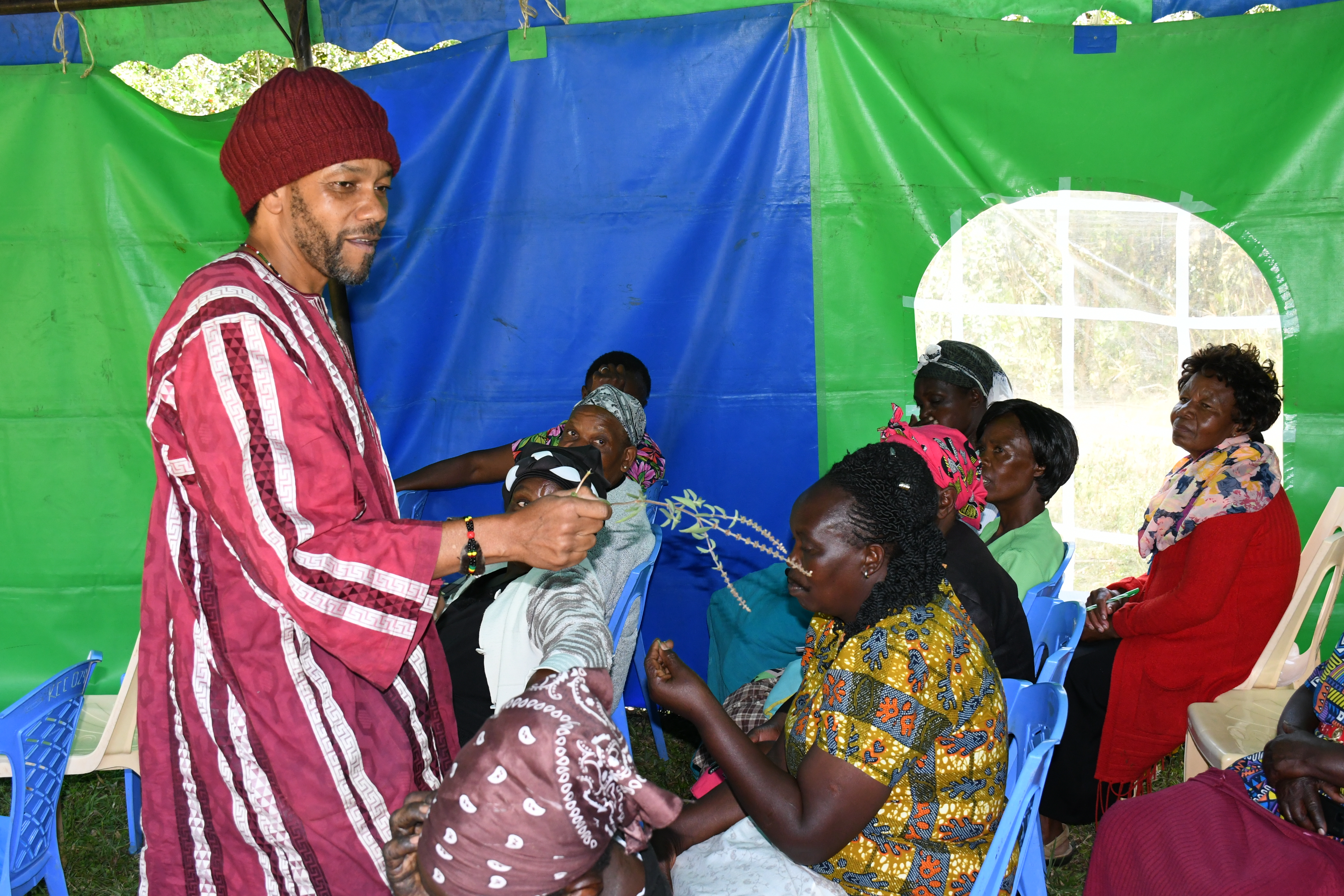
After the financial discussions, the widows settle down for a workshop on agri-preneurship—an initiative designed to equip them with practical skills to improve both nutrition and income.
The programme is a partnership between the Kenya e-Learning Centre, Eco-Mobilus Technology, and Jomo Kenyatta University of Agriculture and Technology (JKUAT).
Its focus is simple but powerful: teaching widows how to grow herbs and spices in their kitchen gardens.
According to Gakiria Nderitu, a member of the Technical Skills and Development Programme at JKUAT, widows were deliberately chosen as beneficiaries because they are among the most vulnerable members of society.
“Widows face neglect and financial hardship. One of the ways we are helping them become self-sufficient is by starting with their own food production. Most of them are elderly and require nutritious diets to manage age-related health challenges,” he explains.
The training introduces them to herbs and spices such as mint, lemon grass, basil, thyme, lavender, and rosemary. Seeds will be provided, alongside regular extension services to ensure the crops meet high-quality standards.
“Our objective is to start with what they can consume themselves. Many of them are farmers, but they often focus on commercial crops that don’t supplement their own nutrition.
"The kitchen garden approach encourages mixed farming—vegetables, herbs, root crops—and for those with larger land, organic farming on a viable scale. In the long run, this will help them become self-sufficient,” adds Gakiria.
Kieni’s unpredictable weather poses challenges, but the programme incorporates climate-adaptation techniques.
The widows are trained to use organic fertilizers to enhance growth and fight pests, while water conservation methods such as mulching, small-scale drip irrigation, and integrated farming ensure maximum yields from limited resources.
“Thanks to these practices, the women are assured of harvest,” Gakiria notes. Interestingly, many of the widows were already familiar with some of these herbs, though they never considered them marketable.
Faith Wambui, for instance, has long grown lemon grass and rosemary in her compound to flavor food and tea.
“I never realised that herbs have value beyond the kitchen. I am excited to explore the opportunities that come with growing them commercially,” she says with a smile.
For 86-year-old Gachambi Nderitu, the herbs have been life-changing.
After suffering a stroke, she spent heavily on medication until doctors recommended herbal alternatives.
Her children began sourcing herbs and recipes for therapeutic teas. Today, thyme, rosemary, and lemon grass thrive in her kitchen garden, and she prepares herbal teas daily.
“They have improved my well-being and significantly reduced the cost of medication,” she says.
Beyond nutrition, the programme aims to enhance financial independence.
The widows will be trained in aggregation and basic business skills to help them transition into bulk production and access larger markets.
Plans are underway to teach them proper storage, packaging, and value addition to ensure their produce consistently meets market demands.
“We have encouraged them to form an association or cooperative. By coming together, they can produce at scale and access contract farming opportunities,” Gakiria explains.