
State seeks partnerships to scale up irrigation
PENINAH KIHIKA AND WANGARI NDIRANGU
The government is turning to private sector partnerships to accelerate Farmer-Led Irrigation Development (FLID), a key pathway under the National Irrigation Sector Investment Plan (NISIP) 2025–2035, which aims to double the country’s irrigated land to 1.5 million acres over the next decade.
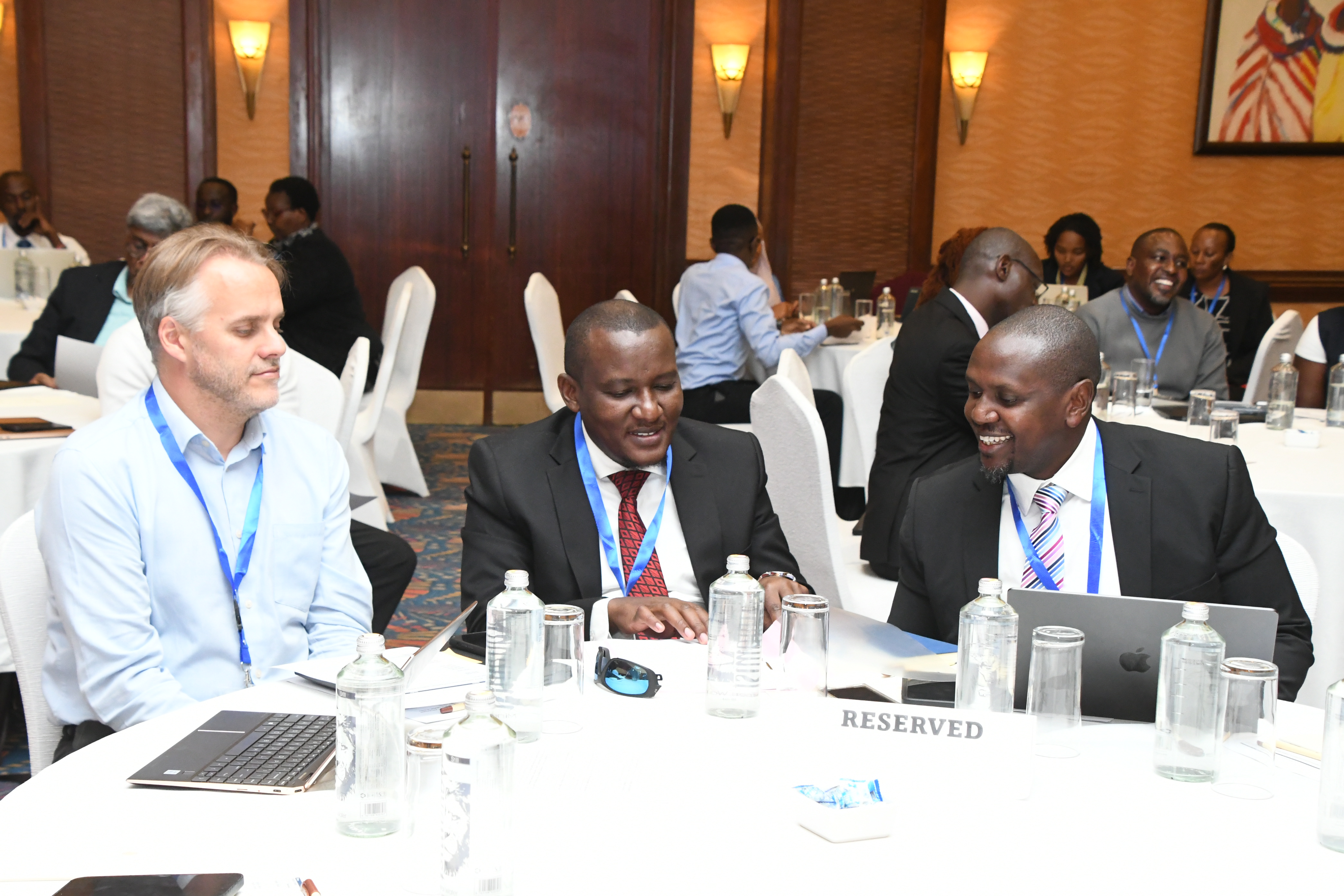
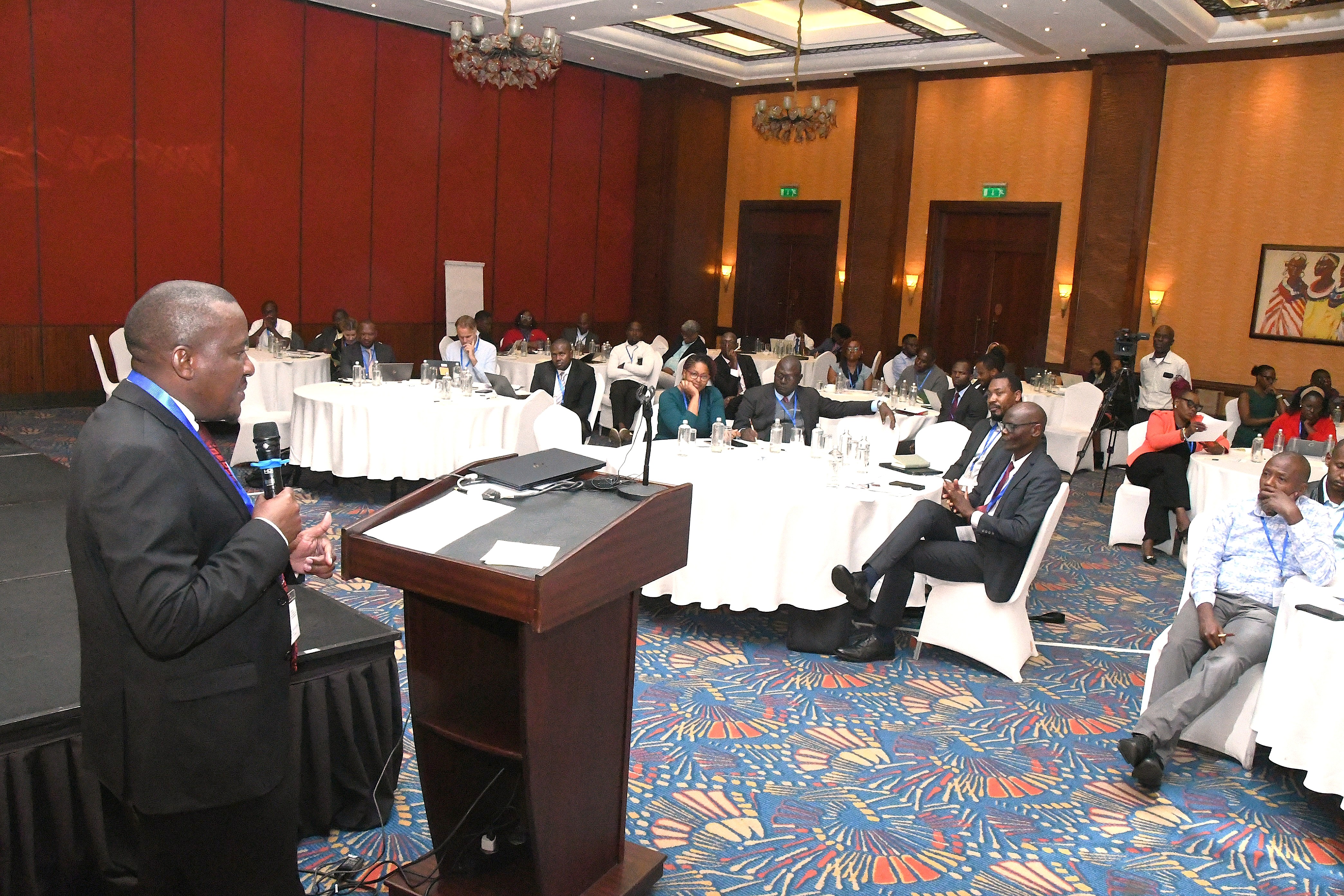
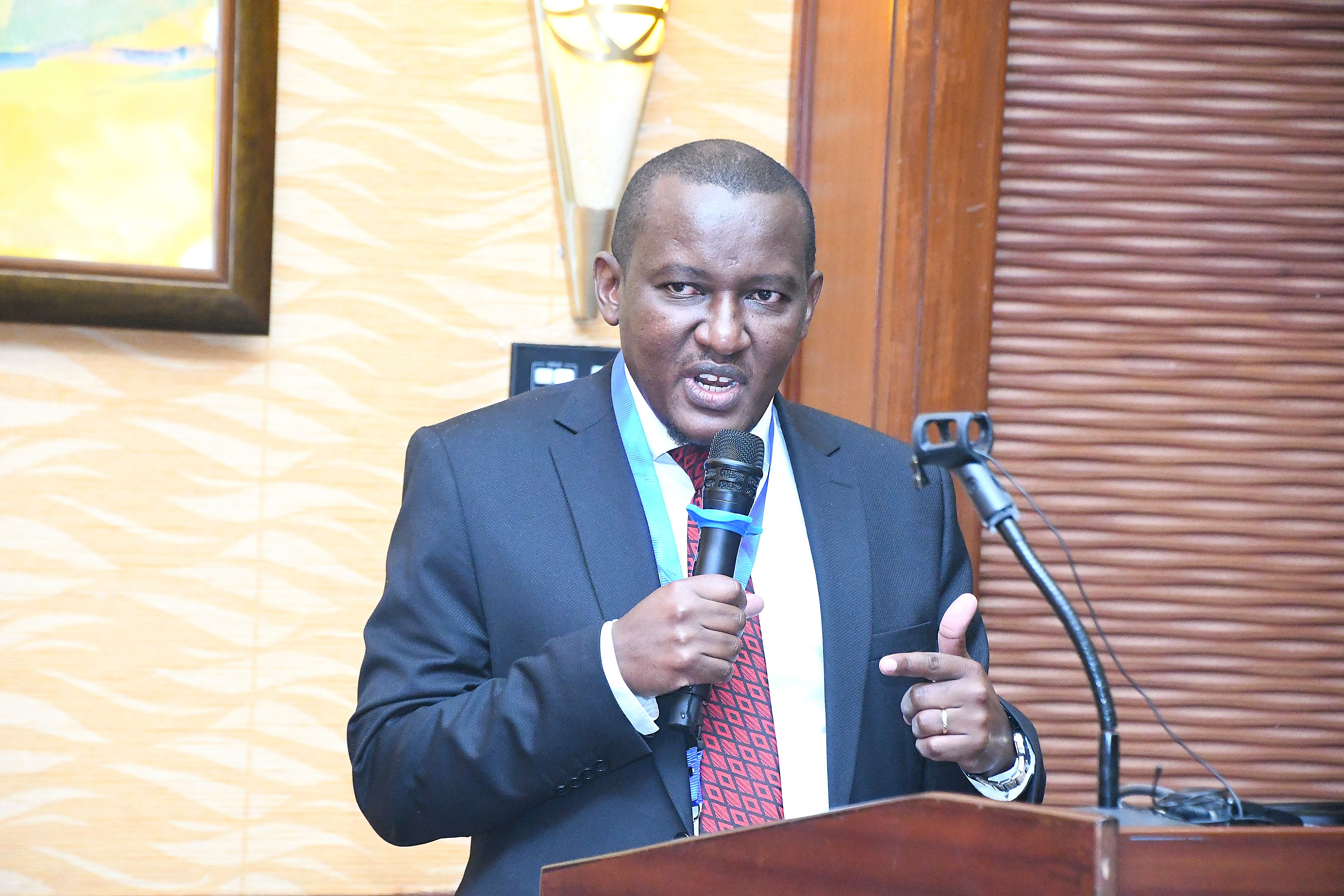
Speaking during a consultative meeting with irrigation equipment suppliers in Nairobi, Principal Secretary for Irrigation CPA Ephantus Kimotho said Kenya has an irrigation potential of 3.5 million acres, half of which the government intends to bring under irrigation in the next 10 years.
He emphasized that private sector players are expected to contribute 61 percent of the investments required, with government providing the remaining 39 percent.
Kimotho underscored the urgency of scaling up irrigation, noting that Kenya imports food-related goods worth over USD 21 billion annually while exporting agricultural products worth only USD 10 billion, leaving an USD 11 billion deficit.
“Enhanced investments in irrigation can reduce this deficit to five billion dollars,” he said.
He added that 75 percent of agricultural production comes from smallholder farmers, 95 percent of whom rely on rain-fed agriculture.
Challenges such as lack of affordable irrigation systems, limited financing, inadequate knowledge, and poor market access continue to constrain productivity.
Despite agriculture contributing 24 percent of Kenya’s GDP, the banking sector has invested only three percent into the industry, citing risks.
Kimotho stressed the need to support smallholders through affordable technologies, accessible credit, and flexible repayment terms.
The government, in collaboration with the World Bank, is designing a Result-Based Financing (RBF) facility to address these challenges.
The model is expected to provide incentives for private sector investment while ensuring farmers and suppliers benefit from cost-effective solutions.
“This result-based financing facility will provide the necessary impetus for the private sector to plug into irrigation and offers assurance to both farmers and irrigation equipment suppliers,” Kimotho said.
The PS noted that the facility will empower smallholder farmers to adopt and manage their own irrigation technologies, boosting production and resilience.
World Bank Lead Water Resources Management Specialist Pieter Waalewijn expressed the institution’s commitment to supporting the initiative.
“Our support is premised on the fact that irrigation is not an end to itself but a means to job creation, building climate resilience and fostering rural development,” he said.
Waalewijn added that while RBF is new to Kenya, lessons from global implementation will guide its rollout.
He revealed that the World Bank is partnering with the Gates Foundation to design digital tools that simplify sales and rebates, reducing processing time to just a few weeks.
Director of Farmer-Led Irrigation Development Daniel Odero said the RBF facility aims to empower 350,000 smallholder farmers with modern irrigation technologies, access to credit, climate-smart solutions, and market linkages.
The initiative requires KES 163 billion to put an additional 250,000 acres under irrigation.
“Today’s conversation is geared towards fostering partnerships between the public sector, private investors, equipment suppliers, digital service providers, and development partners to mobilize resources and expertise for a thriving irrigation sector,” Kimotho said.