
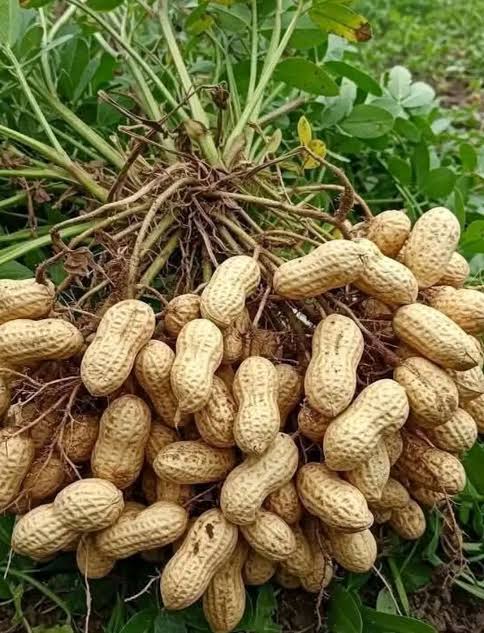
New peanut variety seed to boost production, increased incomes
By Jefther Afuyo (KNA)
Agriculture experts in partnership with Egerton University have developed a new variety of peanut seed tipped to offer farmers improved crop production and increased incomes.
The new medium red variety, which takes 4-5 months to mature, also known as ‘Mwangaza’ will be used to produce foods, manufacturing of oils, biofuels and animal feeds.
According to Principal Researcher Professor, Paul Kimurto, peanut was once doing well in Western Kenya, Nyanza, parts of the Rift Valley, and select zones in Eastern and Coastal regions but its production dropped due to climate change and increase in tropical diseases and pests.
“The seed variety has less aflatoxin after harvest and has the ability to withstand most tropical diseases and pests,” Professor Kimurto noted.
The seed has been developed by the University’s Agro-Science Park in collaboration with the International Crops Research Institute for the Semi-Arid Tropics (ICRISAT) through the Food Safety for Africa (FS4Africa) project with support from the European Union (EU).
In developing the ‘Mwangaza’ variety the researchers have deployed a technology which produces proteins that are defensive against aflatoxin in groundnuts. By producing small proteins called defensins, the variety can stop the deadly fungus from propagating and infecting. Other researchers include, Dr Milcah Wambua, Tracy Jayo and Professor George Owuor.
Professor Kimurto indicated that laboratory analysis had established that the variety had recorded an 80 to 90 per cent reduction in aflatoxin accumulation.
The variety features a low aflatoxin level below 10 parts per billion. He stated that this is crucial because it strictly meets the safety thresholds enforced by the Kenya Bureau of Standards (KEBS) and European export markets.
The development, he added, could help farmers produce safer groundnuts, while improving crop quality, yields and market reliability.
Professor Kimurto said aflatoxin is a very acute public health issue affecting five billion people across the world.
Aflatoxin affects the food, feed, and market values of groundnut, resulting in severe economic losses to farmers and traders through market restrictions, low market values, and product rejection in the marketplace.
The Principal Researcher said the strength of the research was to tap into previous research to first stop seeds being infected by the fungus and then prevent the fungus from producing aflatoxins.
“This will radically improve food safety and security in Kenya and the larger East African region. It will also avoid thousands of tons of fungi-affected crops being discarded every year or being consumed with unacceptable levels of the toxin,” he said.
Professor Kimurto explained that recent advances in biotechnologies such as RNAi technology and genetic transformation, offer great potential in developing crops that can resist the infection and growth of the aflatoxin-producing fungus in the field and stop the production of aflatoxin itself.
Aflatoxins primarily afflict cereal grains, oilseeds, tree nuts, and spices that experience drought stress in the field or high moisture during storage.
These dangerous mold toxins are produced by Aspergillus fungi, mainly Aspergillus flavus and Aspergillus parasiticus which pose a major risk to food security and public health in Kenya and the rest of the world.
The World Health Organization, says high exposure to aflatoxins can cause acute poisoning and liver damage. It also outlines evidence linking aflatoxin exposure to liver cancer in humans.
The International Agency for Research on Cancer has similarly established the carcinogenic significance of aflatoxins and their association with liver cancer risk. Kenya has consequently developed regulatory standards for controlling aflatoxin contamination in food and feed.
Egerton University Deputy Vice-Chancellor-In-Charge of Academics, Research and Extension, Professor Bernard Aduda, said the Institution was committed to ensuring research findings transition beyond laboratories and translate into practical solutions for communities.
Professor Aduda highlighted the university's collaboration with the International Institute of Tropical Agriculture (IITA) and the Kenya Agricultural and Livestock Research Organization (KALRO), under FS4Africa in developing high yielding and resilient seed varieties as an important model for addressing food safety.