
Ministry upgrades National Infectious Diseases Centre and Laboratory
MICHAEL OMONDI- KNA
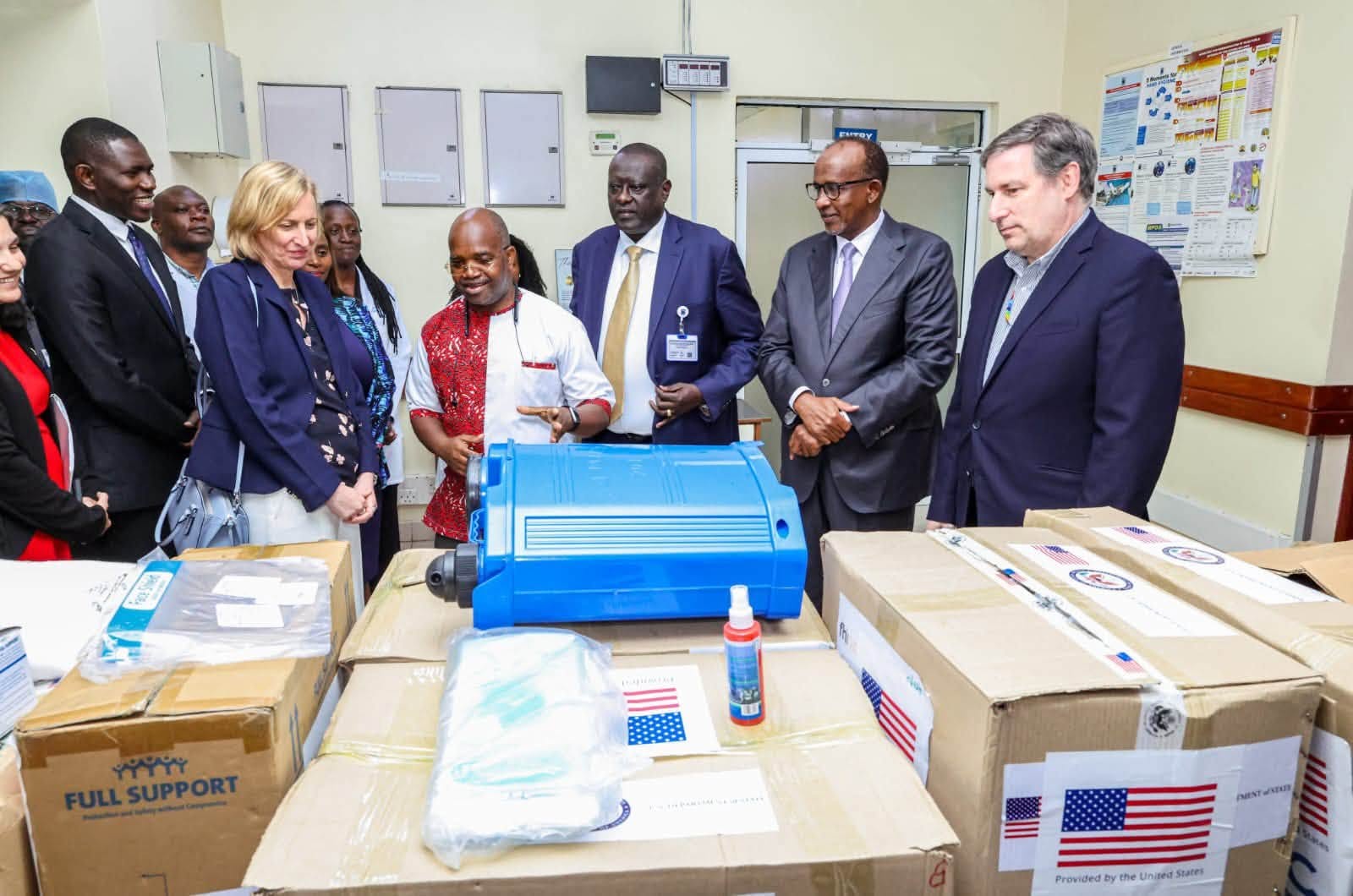
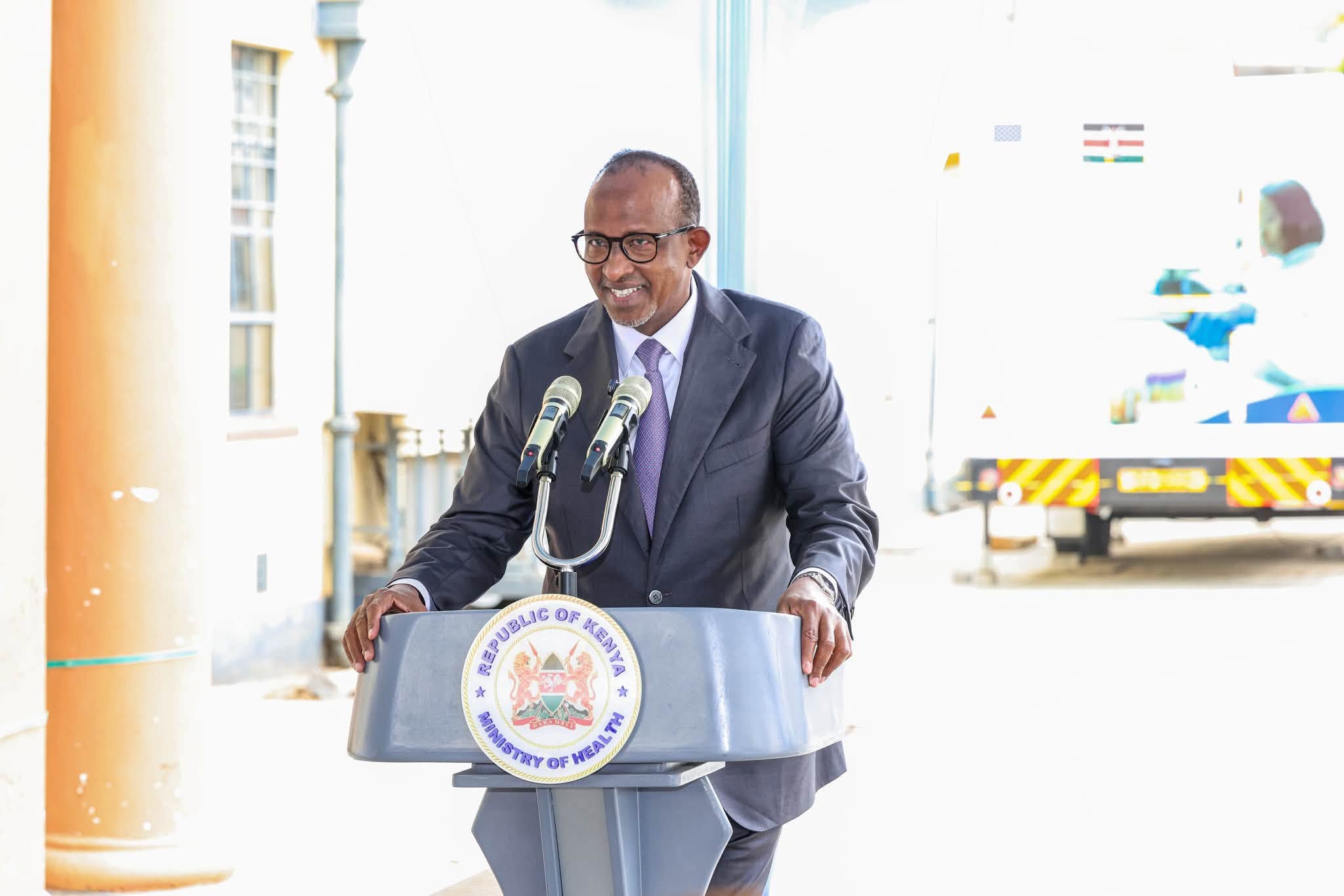
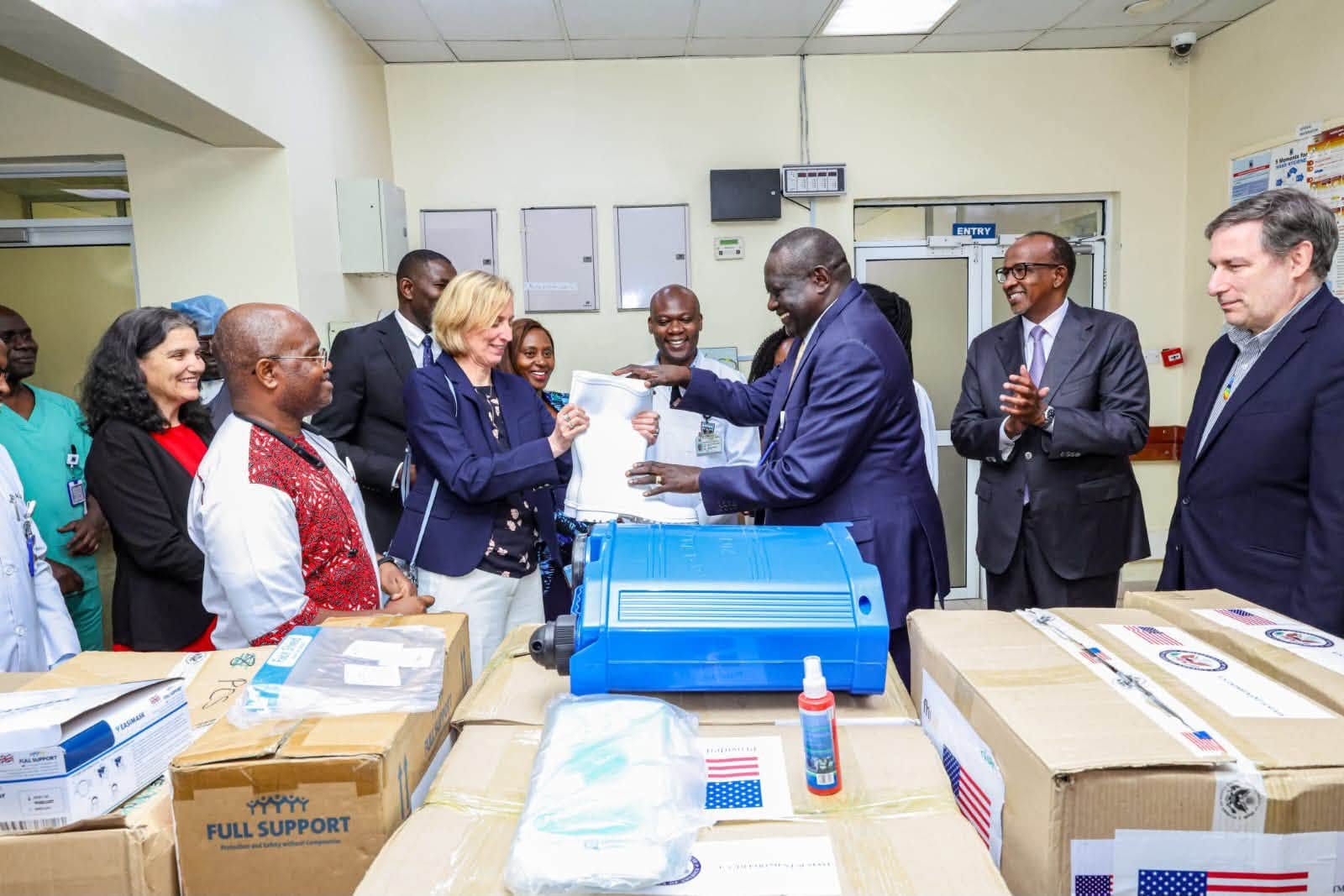
Health Cabinet Secretary (CS), Aden Duale, has reaffirmed Kenya’s commitment to strengthe ning national preparedness and response to public health emergencies during a joint inspection visit to the Kenya National Public Health Institute (KNPHI) and the Infectious Diseases Unit at Kenyatta National Hospital (KNH).
He was accompanied by the United States Chargé d’Affaires to Kenya, Ms. Susan M. Burns.
The visit assessed the country’s capacity to detect, prevent and respond to public health threats, with particular focus on Ebola prepa redness, while reviewing ongoing investments that are strengthening Kenya’s public health systems and advancing KNPHI’s transformation into a world-class public health institution.
Duale said the Gover nment plans to establish a modern 200-bed National Infectious Diseases Centre that will integrate diagno sis, treatment, isolation, surveillance, research and training under one roof are progressing well.
“This facility will stren gthen Kenya’s ability to respond to infectious disease outbreaks while supporting the manage ment of communicable diseases, including HIV and tuberculosis, and position the country as a regional center of excellence for infectious disease prevention, pre paredness and response,” he explained.
At KNPHI, the dele gation reviewed key investments supported by the United States Government, including the renovation of the National Virology Laboratory, construction of a Biosafety Level 3 (BSL-3) Central Laboratory, deployment of two mobile laboratories, enhancement of labora tory information manage ment systems, laboratory capacity mapping, and continued support for HIV and tuberculosis reference testing services.
These investments, according to the CS, have strengthened disease surveillance, laboratory diagnosis and outbreak response across the country.
In addition, KNPHI now hosts four national reference laboratories sup porting surveillance and rapid diagnosis of priority diseases, including HIV, tuberculosis and emerging public health threats.
Equally, Duale pointed out that the two mobile laboratories have signifi cantly improved frontline outbreak response by reducing laboratory tur naround time from several days to between six and eight hours.
“To date, they have processed 173 Ebola samples, all of which tested negative, inclu ding 38 from Busia and 35 from Lwakhakha, ena bling timely public health action and strengthening national health security,” Duale revealed.
The delegation also inspected the eight-bed Infectious Diseases Unit at KNH.