
Science, innovation and partnerships set to drive Blue Economy
NOOH BASHEY-PCO
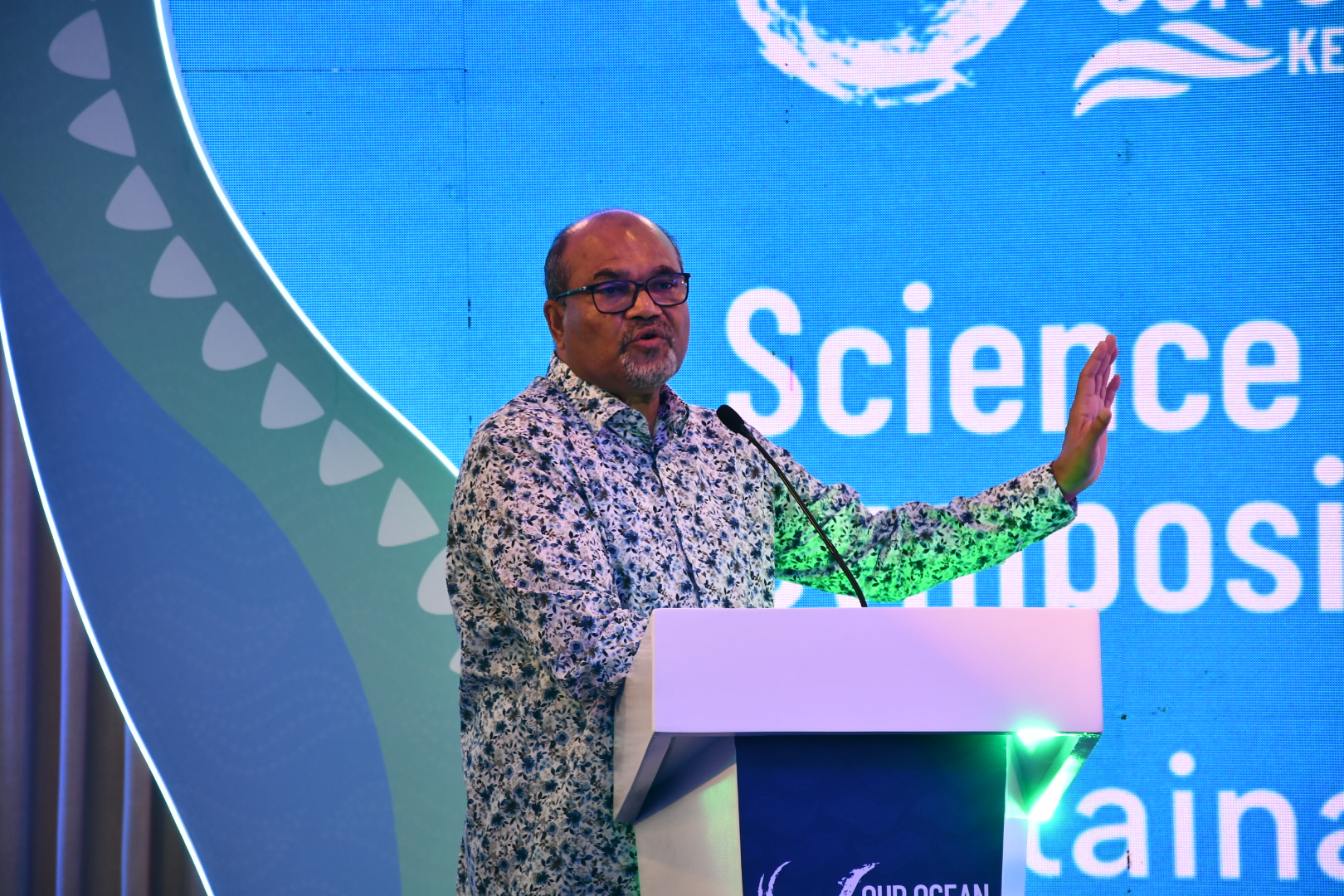
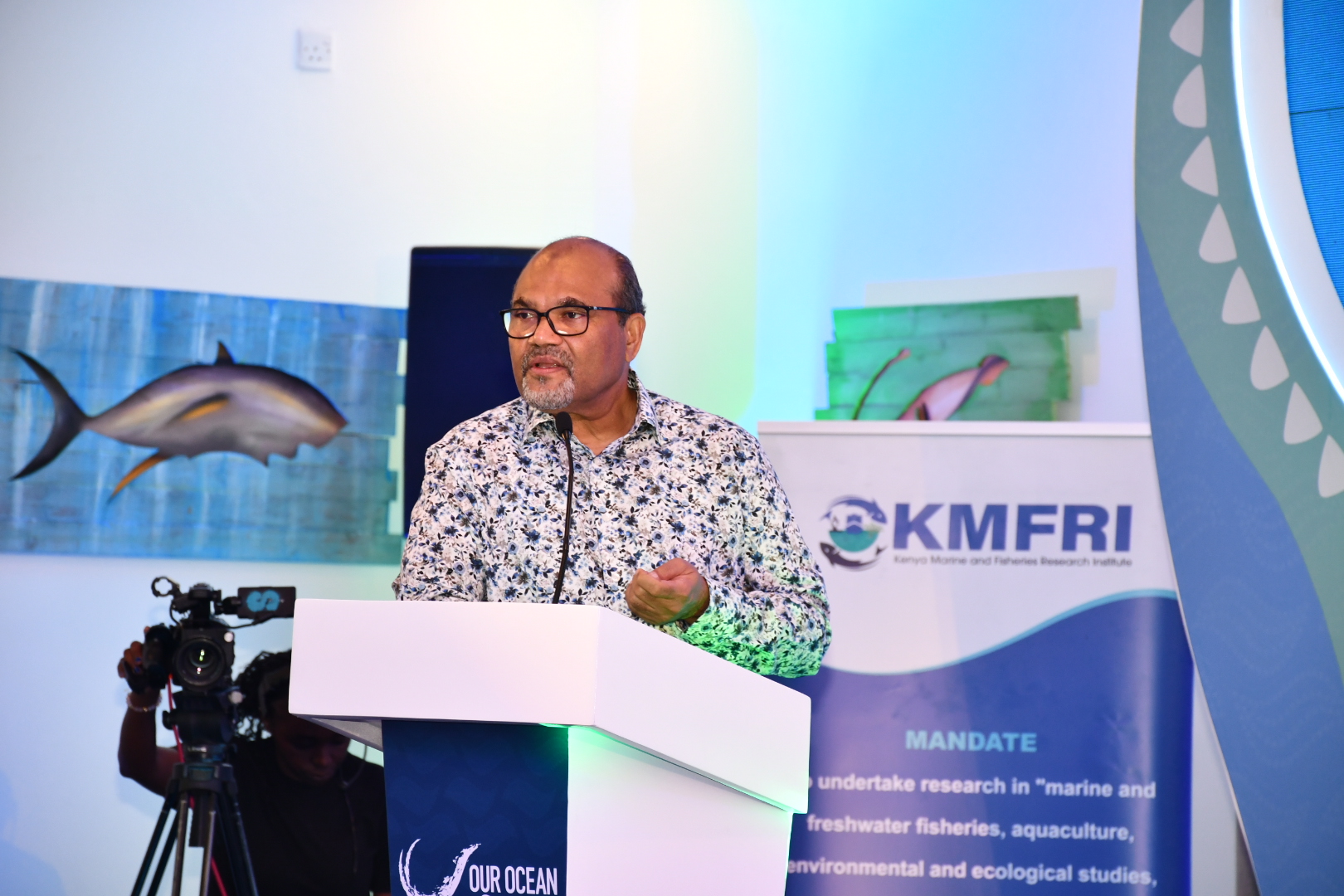
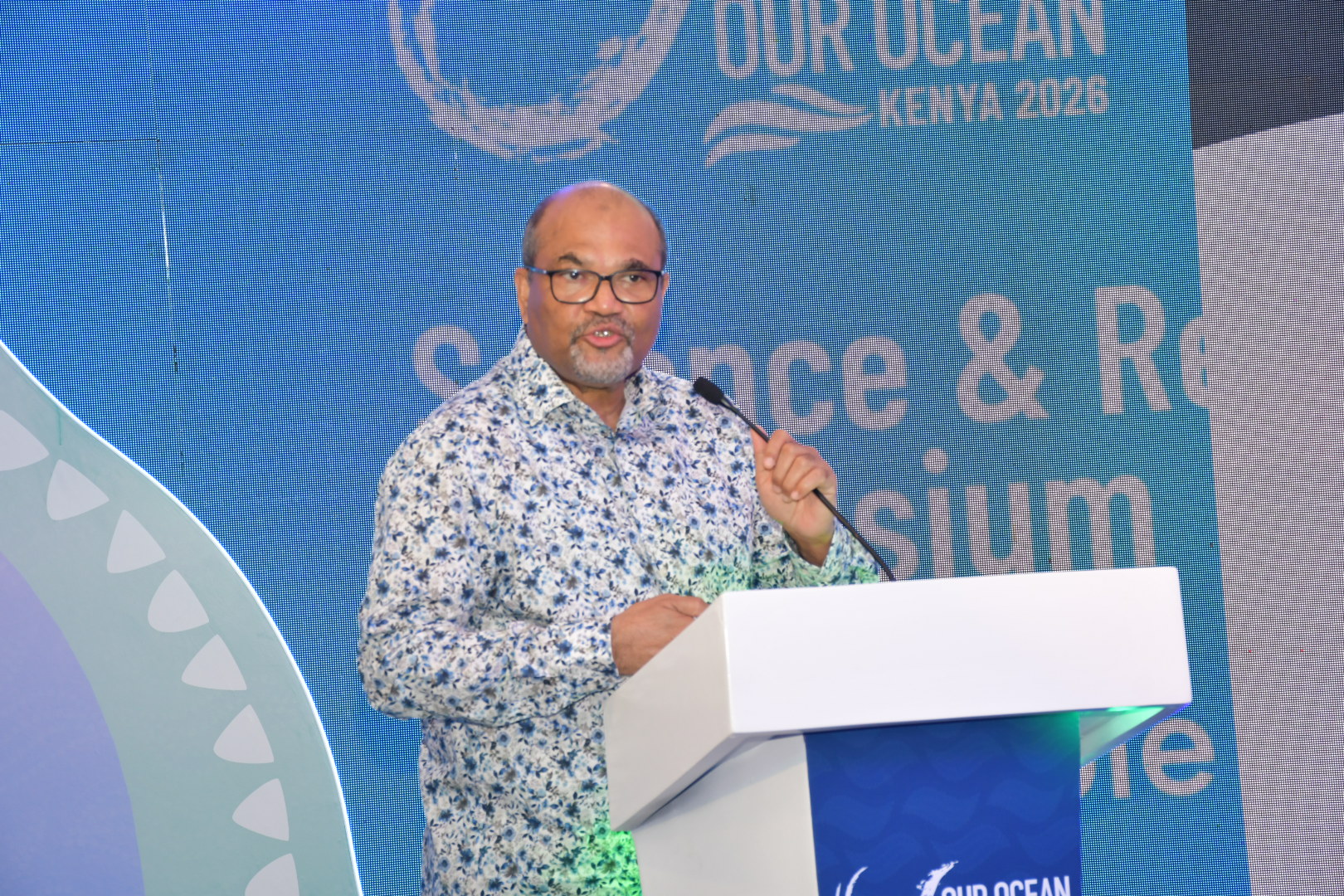
Principal Secretary for Science, Research and Innovation, Prof. Shaukat Abdulrazak (pictured), has called for stronger partnerships, science-driven policymaking, innovation, and effective communication of research to unlock the full potential of the blue economy while safeguarding ocean ecosystems for future generations.
Speaking during a regional ocean and blue economy forum in Mombasa ahead of the upcoming Our Ocean Conference, Prof. Abdulrazak said the vast resources of the Indian Ocean and Africa’s extensive coastline represent enormous opportunities for sustainable development, climate resilience, job creation, and wealth generation.
He noted that the ocean’s potential must be translated into tangible benefits for communities through strategic investments, innovation, and sustainable resource management.
“Africa is home to the world’s youngest population, presenting a unique opportunity to harness the blue economy for economic growth and employment creation,” he said, adding that the continent’s youthful workforce can play a critical role in developing innovative solutions to emerging environmental and economic challenges.
The Principal Secretary highlighted the growing threats facing marine ecosystems, including climate change, ocean acidification, biodiversity loss, overexploitation of marine resources, and plastic pollution.
He warned that without urgent action, these challenges could undermine livelihoods, food security, and economic development across coastal regions.
He emphasized that increasing populations and competing demands on marine resources require governments and stakeholders to adopt sustainable approaches to ocean governance and resource utilization.
“The future of our oceans will be determined not by the scale of the challenges we face, but by the quality of the decisions we make today,” he said.
Prof. Abdulrazak challenged scientists to move beyond generating knowledge and publishing research papers, urging them to actively engage in policymaking and contribute solutions that address societal needs.
He observed that many countries, including Kenya, already have robust development frameworks such as Vision 2030, the Bottom-Up Economic Transformation Agenda, and the recently launched Blue Economy Strategy.
The challenge, he noted, lies in implementation , monitoring, and evaluation to ensure that development goals are achieved.
The PS underscored the importance of ocean observation systems, marine research, biodiversity assessments, environmental monitoring, and data-sharing platforms in supporting evidence-based decision-making and sustainable management of marine resources.
He further emphasized the need to transition from research to innovation and commercialization, ensuring that scientific discoveries generate practical socio-economic benefits.
He highlighted the role of innovation ecosystems, entrepreneurship, biotechnology, genomics, artificial intelligence, and emerging technologies in advancing sustainable ocean management and economic growth.
Prof. Abdulrazak also stressed that science must be communicated effectively if it is to influence policy, attract investment, and deliver meaningful impact.
“The challenge is not only generating scientific knowledge but also communicating it in a language that policymakers, investors, philanthropists, and communities can understand and support,” he said.
He noted that effective science communication is essential for building public trust, mobilizing resources, and ensuring that research outcomes contribute to societal transformation.
Calling for stronger investment in human capital, the Principal Secretary urged institutions to mentor and empower the next generation of scientists, particularly in Africa, where the majority of the population is young.
He encouraged universities and research institutions to create supportive environments that nurture talent, innovation, and leadership among young researchers.
Prof. Abdulrazak also called for greater gender inclusion in science, noting that women remain underrepresented in scientific fields despite constituting nearly half of the population.
He urged stakeholders to promote equal opportunities and strengthen efforts to increase women’s participation in research, innovation, and leadership.
Highlighting the importance of collaboration, he called on governments, academia, the private sector, development partners, and international organizations to work together in advancing sustainable blue economy initiatives.