
Ministry steps up fight against teenage pregnancies, HIV among youth
SADIK HASSAN-KNA
The Ministry of Health has reiterated its commitment to addressing the rising cases of teenage pregnancies and HIV infections among young people by strengthening investment in comprehensive sexuality education and reviving community-based prevention programmes that have been weakened by cuts in donor funding.
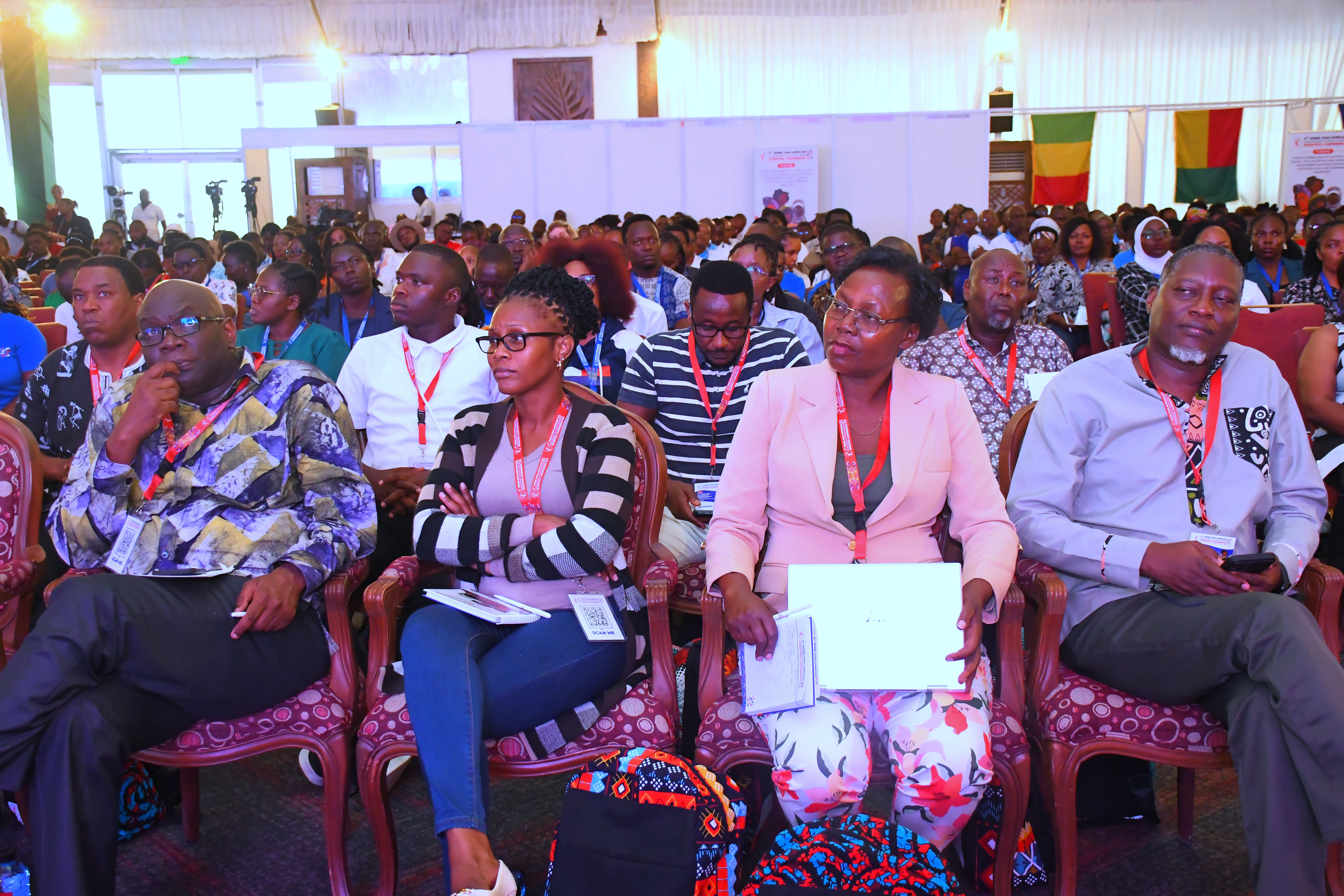
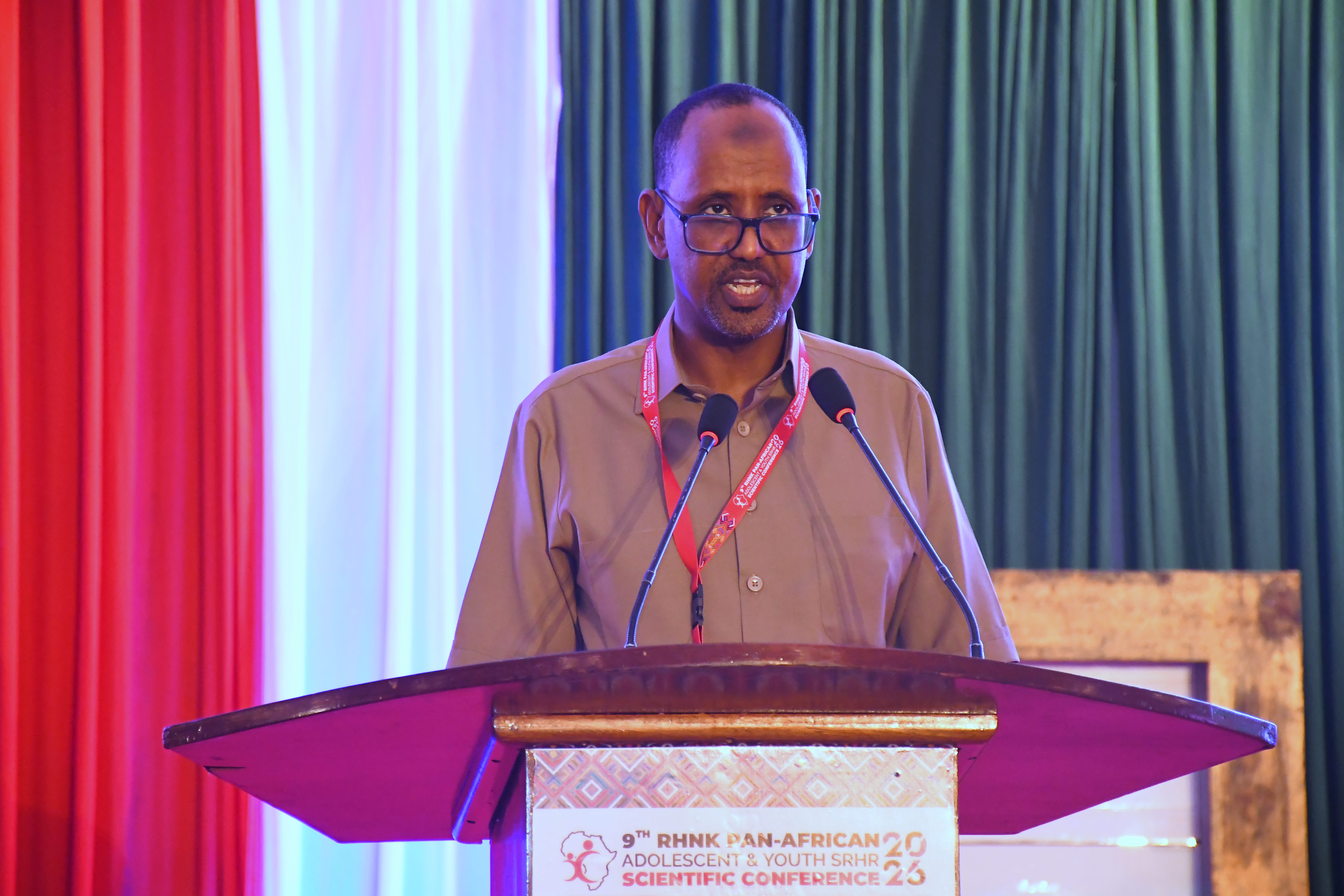
Speaking in Mombasa during the opening of the 9th RHNK Pan-African Adolescent and Youth SRHR Scientific Conference, the Ministry of Health Head of Family Health Department, Dr Bishar Issak, said healthcare workers will be trained to provide adolescent-friendly services and ensure young people have access to medicines, commodities and essential health tools at nearby health facilities.
In 2025, Dr Issak disclosed that 41 per cent of new HIV infections in Kenya were among adolescents aged between 15 and 24 years, while mother-to-child transmission rose from 7.3 per cent to 9 per cent.
“In Garissa, just 15 per cent of adolescent girls have comprehensive HIV knowledge. Only 26 per cent of adolescent girls nationally have known that a condom prevents HIV transmission.
These are not gaps in statistics; there are gaps in survival,” said Dr Isaak.
He disclosed that teenage pregnancies remain one of the country’s most pressing public health challenges, noting that nationally, 15 per cent of girls aged between 15 and 19 years are either pregnant or already mothers.
“In counties like Samburu, that figure rises to 50 per cent. This is a show of inequality and equity. In West Pokot, that number represents 36 per cent.
"This number represents girls whose dreams have been interrupted, shattered, whose bodies have been asked to carry responsibilities they were not ready for and whose future depends entirely on whether the systems around them are strong enough to hold them,” he noted.
In Kenya, he said, young women have access to free maternal healthcare under Taifa Care, which is being administered through the Social Health Authority (SHA), but emphasised the need to prioritise the prevention of teenage pregnancies.
Dr Issak highlighted that more than 30 million Kenyans have been registered under SHA to access free primary healthcare.