

Migori farmers receive 42,000 Hass avocado seedlings to boost incomes
WENDY MERRYL AND FAITH OPAR-KNA
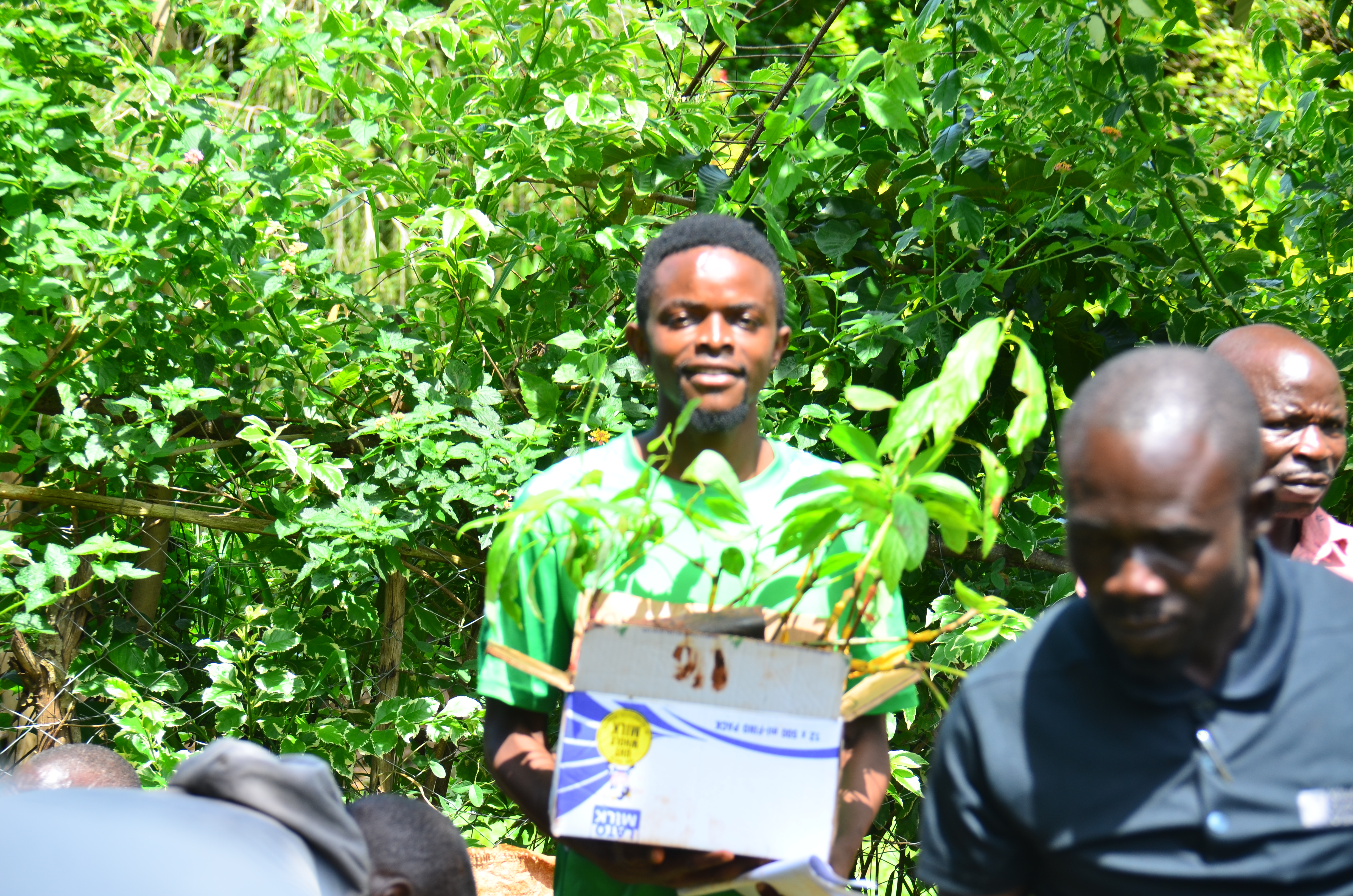
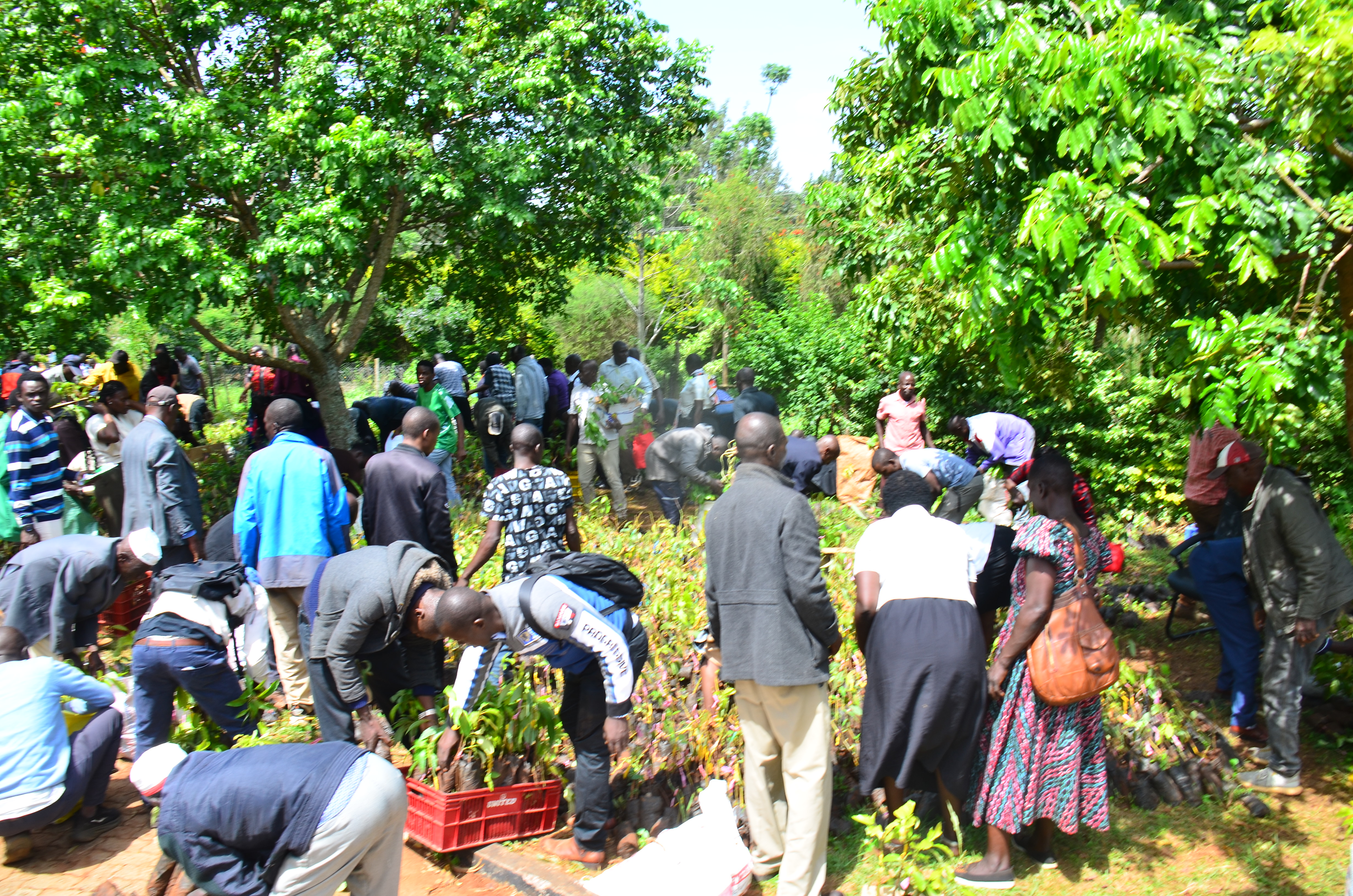
The National Government, in collaboration with the Migori County Government, has distributed 42,000 grafted Hass avocado seedlings to farmers across Migori County.
The initiative is aimed at boosting household incomes, expanding export-oriented agriculture, and supporting the government’s 15 billion trees growing programme.
Speaking during the distribution held at the Migori County Commissioner’s residence, County Commissioner, Kisilu Mutua, said the county had received 42,000 avocado seedlings and 100,000 coffee seedlings from the Ministry of Agriculture, with additional macadamia seedlings expected in the near future.
Mutua noted that each farmer would receive ten grafted avocado seedlings and that farmers had already undergone training by crop officers on proper planting, management and access to extension services.
“Every farmer has been taught how to plant these seedlings and how to reach extension officers who can assist them in managing the crop,” said Mutua.
He added that each seedling costs approximately Sh444, translating to nearly Sh20 million invested by the government in the project.
The administrator assured farmers that if properly managed, each avocado tree could generate up to Sh10,000 annually after five years, significantly improving household livelihoods.
The County Commissioner further revealed that two farmer groups had also received milk coolers worth Sh4.5 million to support dairy farming and value addition.
Migori County Executive Committee (CEC) Member for Agriculture, Livestock, Fisheries and Blue Economy, Lucas Mosenda, said avocado farming had become one of Kenya’s major export opportunities and the county was keen on ensuring local farmers benefit from the growing international demand.
“We are looking at crop diversification so that farmers from Migori can tap into export opportunities and improve their incomes,” said Mosenda.
He observed that Migori currently has about 300 acres under avocado farming, with an estimated 600 to 700 farmers actively practicing the crop across the county.
The official regretted that most farmers still grow traditional avocado varieties which fetch lower returns and have limited export value.
“Unfortunately, most farmers have been growing the local varieties which are important but have low market value internationally. Hass avocado targets the export market and offers better returns to farmers,” he explained.