
The hidden struggle of Sickle Cell disease and the hope in new treatments
MABEL KEYA – SHIKUKU AND PETER OMONDI ODHIAMBO-KNA
Sickle cell disease (SCD) is a group of inherited blood disorders that cause red blood cells to become hard, sticky, and crescent-shaped.
Instead of flowing smoothly through blood vessels, these abnormal cells can block circulation, restricting oxygen delivery and leading to severe pain, tissue damage, and chronic anaemia.
Treatment for the condition focuses on managing pain, preventing complications, and addressing the underlying genetic cause.
Approaches include daily medications such as hydroxyurea, blood transfusions, supportive lifestyle care, and potentially curative options like stem cell transplants and emerging gene therapies.
According to the Ministry of Health, sickle cell disease (SCD) affects an estimated 14,000 newborns annually in Kenya.
The overall national prevalence of SCD is approximately 0.9 per cent, but the trait (SCT) reaches 10 per cent to 40 per cent in high malaria-endemic areas like Coast, Western and Nyanza regions.
Without early screening, 50 to 90 per cent of these children do not survive past age five years. Data shows roughly 21per cent of children in Kisumu carry the sickle cell trait, and approximately 4.5 per cent are born with the disease.
Experts say it is highly prevalent in the county because the trait provides natural protection against severe malaria which is endemic in the region.
This makes the Lake Region, particularly Kisumu, to have the highest prevalence of Sickle Cell Disease (SCD) in Kenya.
Because of this, some county health facilities such as Jaramogi Odinga Oginga Teaching and Referral Hospital (JOOTRH) and Pap Onditi in Nyakach have rolled out newborn screening and ultra-modern testing technologies to detect the disease early.
Local management programs focus on the distribution of Hydroxyurea drug to the patients, community health promoter training, and regular blood transfusions in order to save lives.
For thousands of Kenyan families, sickle cell disease is more than a medical condition.
It is a daily fight against pain, stigma, poverty, and limited healthcare access.
The SCD treatments in the county are supported under the essential drugs list.
To access continuous care and medication, patients must ensure their Social Health Insurance Fund (SHIF) contributions are up to date.
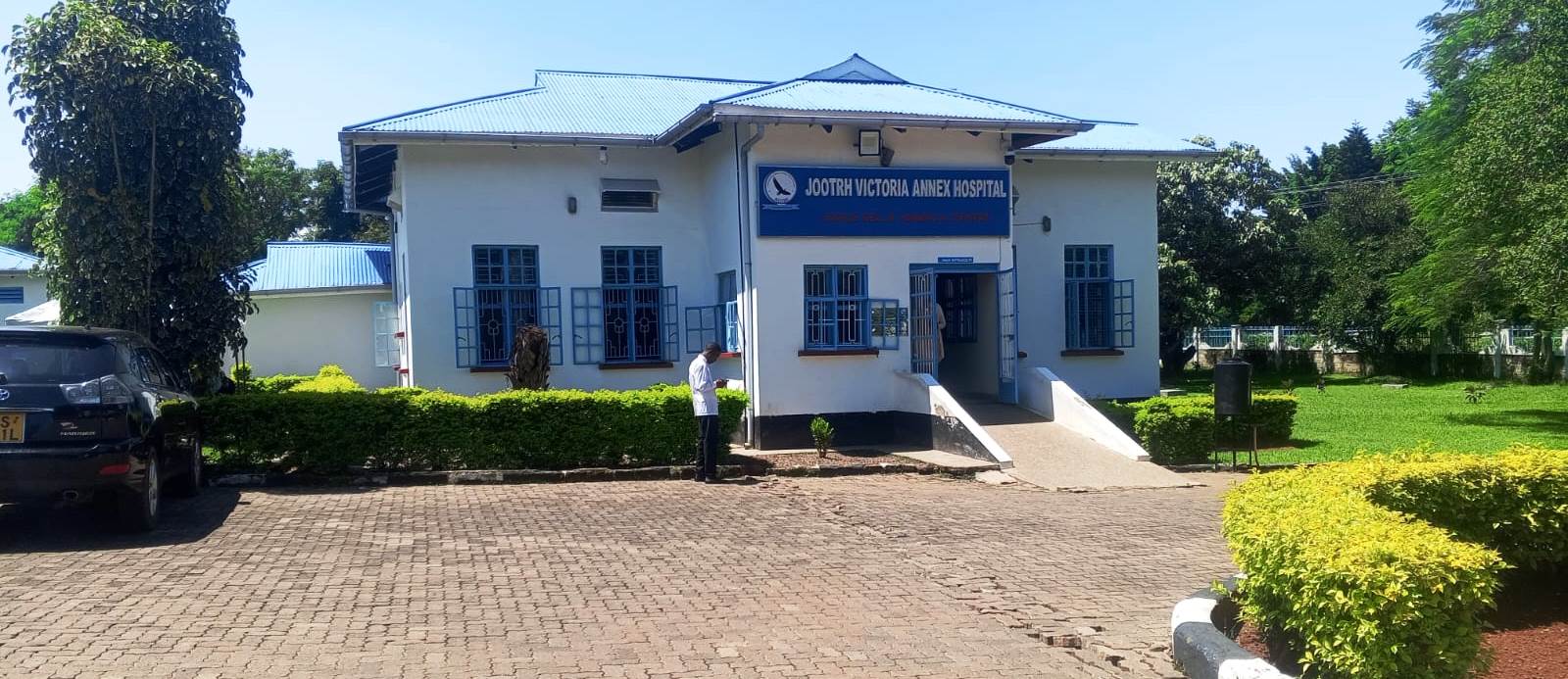
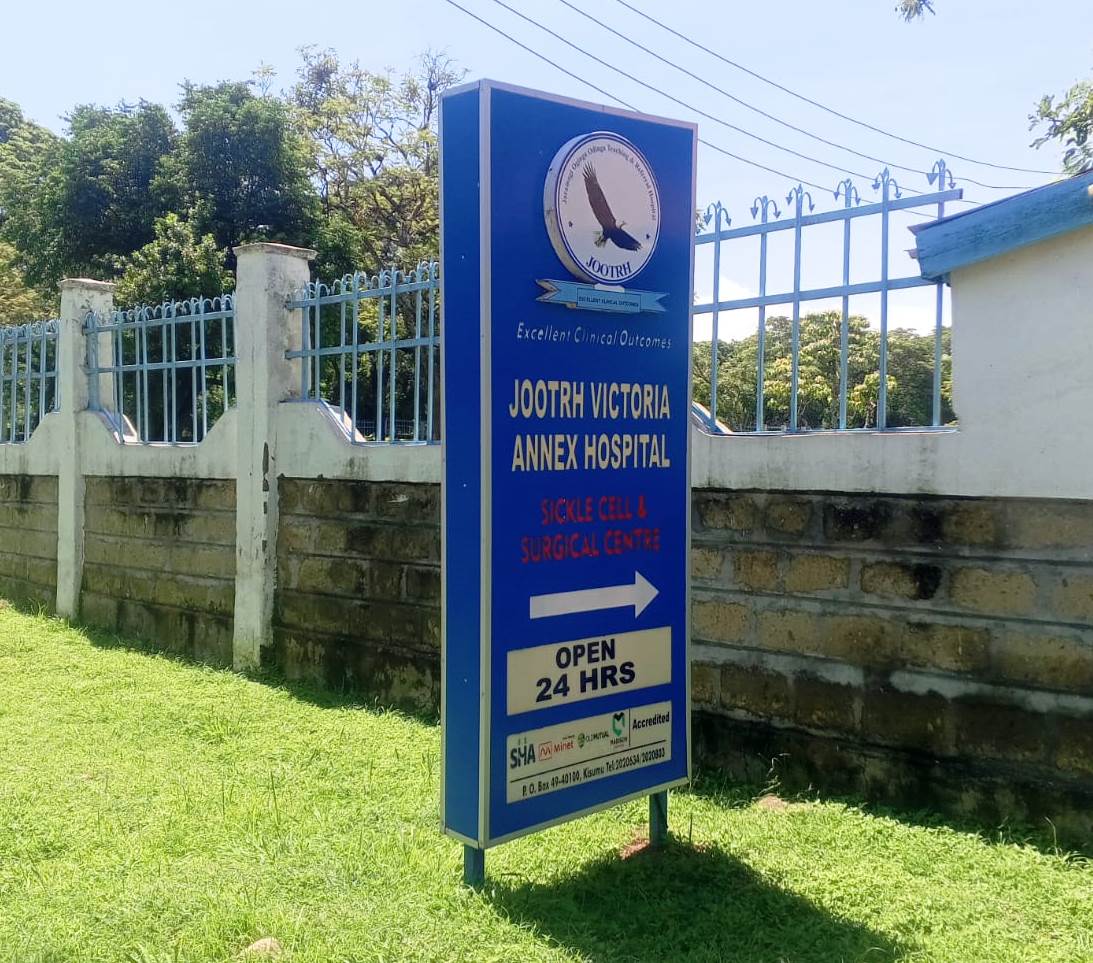
To improve cancer treatment and management in the region, Jaramogi Oginga Odinga Training and Referral Hospital (JOOTRH) in March this year set up the JOOTRH Victoria Annex.
This facility is a dedicated facility equipped for comprehensive care, research, surgeries, and bone marrow transplants to support cancer treatment especially in sickle cell patients.
The Victoria Annex Hospital (an extension of JOOTRH) is a specialized Level 4 public health facility in Kisumu, located near Jamhuri Park.