

Kenya nets Sh103.5 billion from KPC IPO in major privatisation milestone
NICHOLAS OCHIENG AND CELESTINE LOMOLIJAH-KNA
The Government has raised Sh103.45 billion through the Kenya Pipeline Company (KPC) Initial Public Offering (IPO), marking a key milestone in the country’s privatisation agenda and the implementation of the National Infrastructure Fund (NIF).
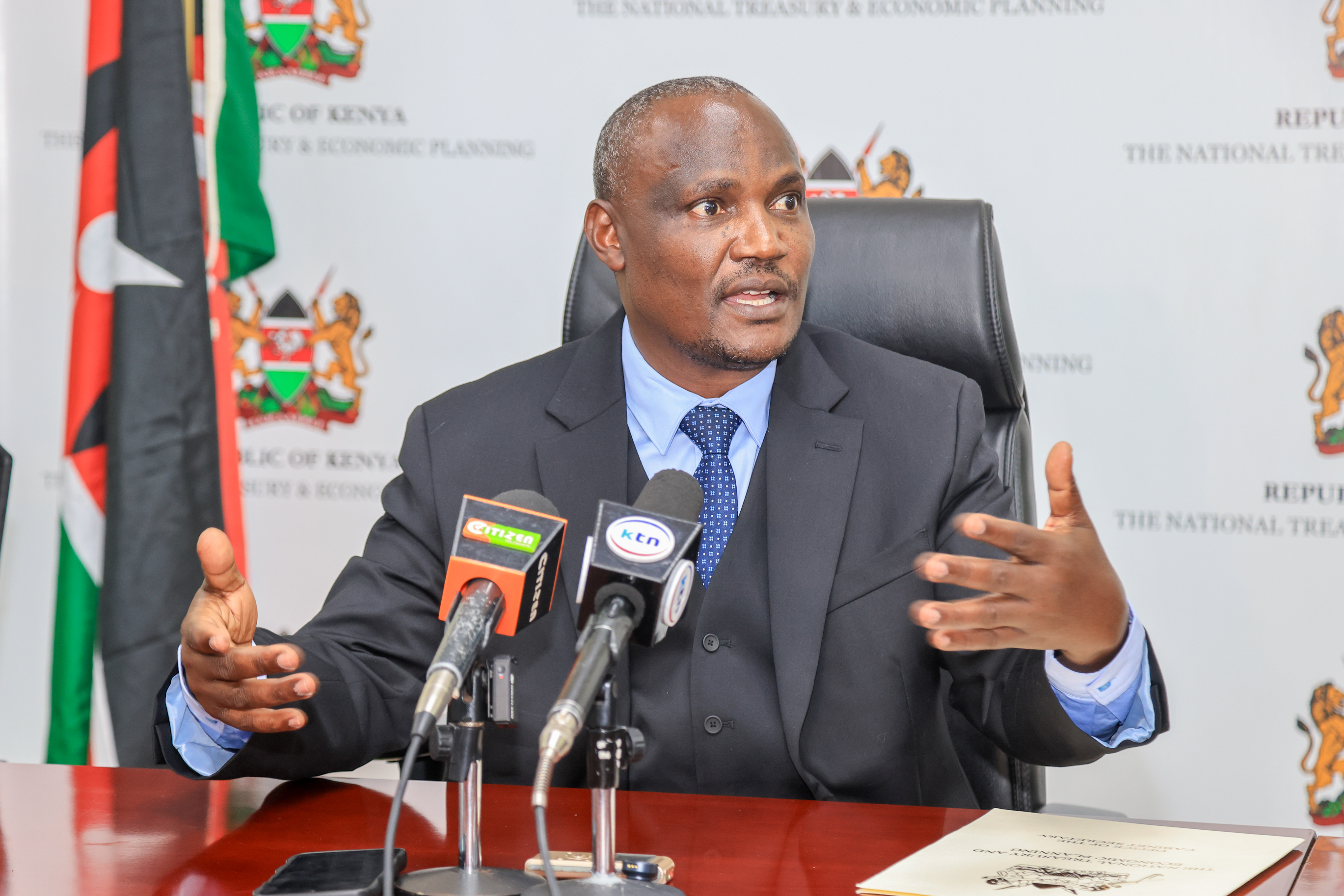
Treasury Cabinet Secretary John Mbadi said the funds have been deposited at the Central Bank of Kenya under the NIF account and will be used exclusively to finance key infrastructure projects.
He described the transaction as a turning point in how Kenya funds development, shifting away from heavy reliance on borrowing and taxation.
“We are trying to finance 21st-century infrastructure using 21st-century financing models,” Mbadi said, pointing to the use of securitisation and Public-Private Partnerships (PPPs).
The government plans to mobilise up to Sh5 trillion through domestic savings, capital markets, private investment and monetisation of mature public assets to fund projects in transport, energy, irrigation and logistics.
Mbadi said improving macroeconomic stability— including lower inflation, a stable currency, easing interest rates and improved sovereign credit ratings— has boosted investor confidence.
The funds follow the successful listing of KPC on the Nairobi Securities Exchange, where the government sold a 65 per cent stake equivalent to 108 billion shares. The Privatisation Authority said the IPO was oversubscribed, drawing strong interest from both institutional and retail investors.
Commission Member Irene Wanyoike said the transaction adhered to strict governance and regulatory standards under the Privatisation Act 2025.
She noted that the KPC IPO was Kenya’s first fully digital public offering, with all applications submitted electronically. More than 70,000 Kenyans participated, expanding citizen ownership of a strategic national asset and deepening financial inclusion.
“The IPO strengthened transparency, accountability and public confidence in the management of public assets,” Wanyoike said.