
State rolls out feed subsidy to cushion farmers from drought
WANGARI NDIRANGU, KNA
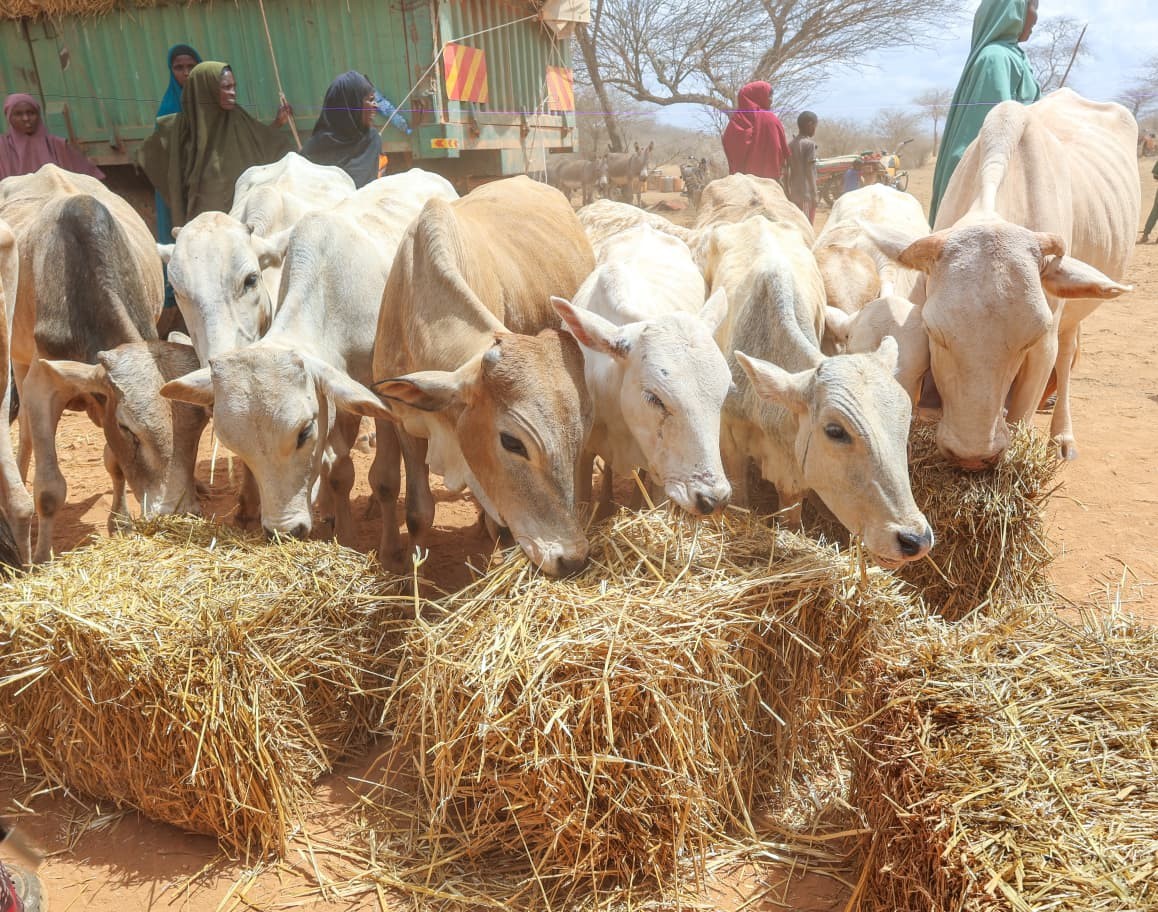
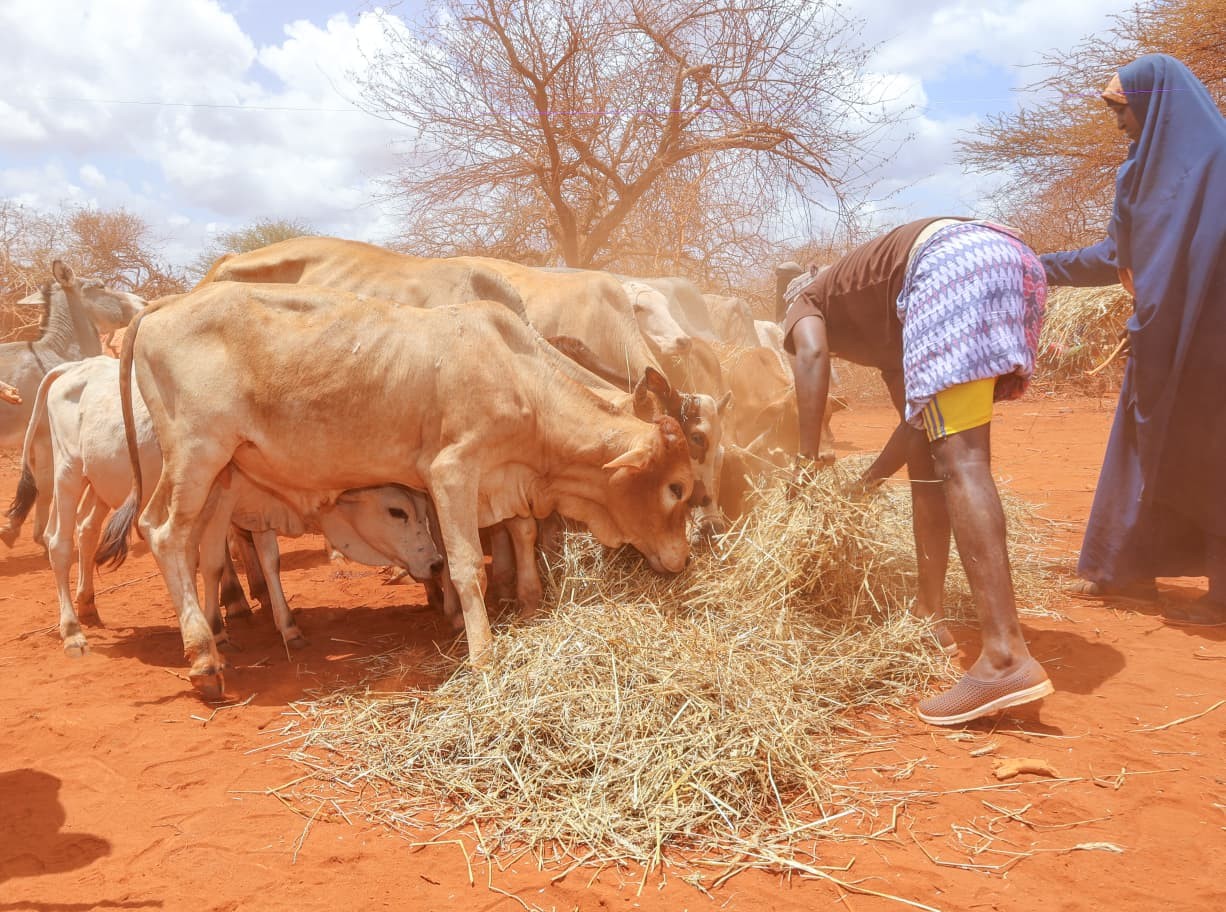
Over the past three months, the Government has rolled out livestock feed subsidy programmes aimed at shielding farmers from soaring costs and the effects of prolonged drought.
Through the Food Systems Resilience Program (FSRP), authorities are supplying subsidized fodder, supporting feed production, and promoting climate-resilient farming practices in drought-affected regions.
The programme, launched in Mandera County, aims to protect livelihoods and strengthen longterm resilience among pastoral communities.
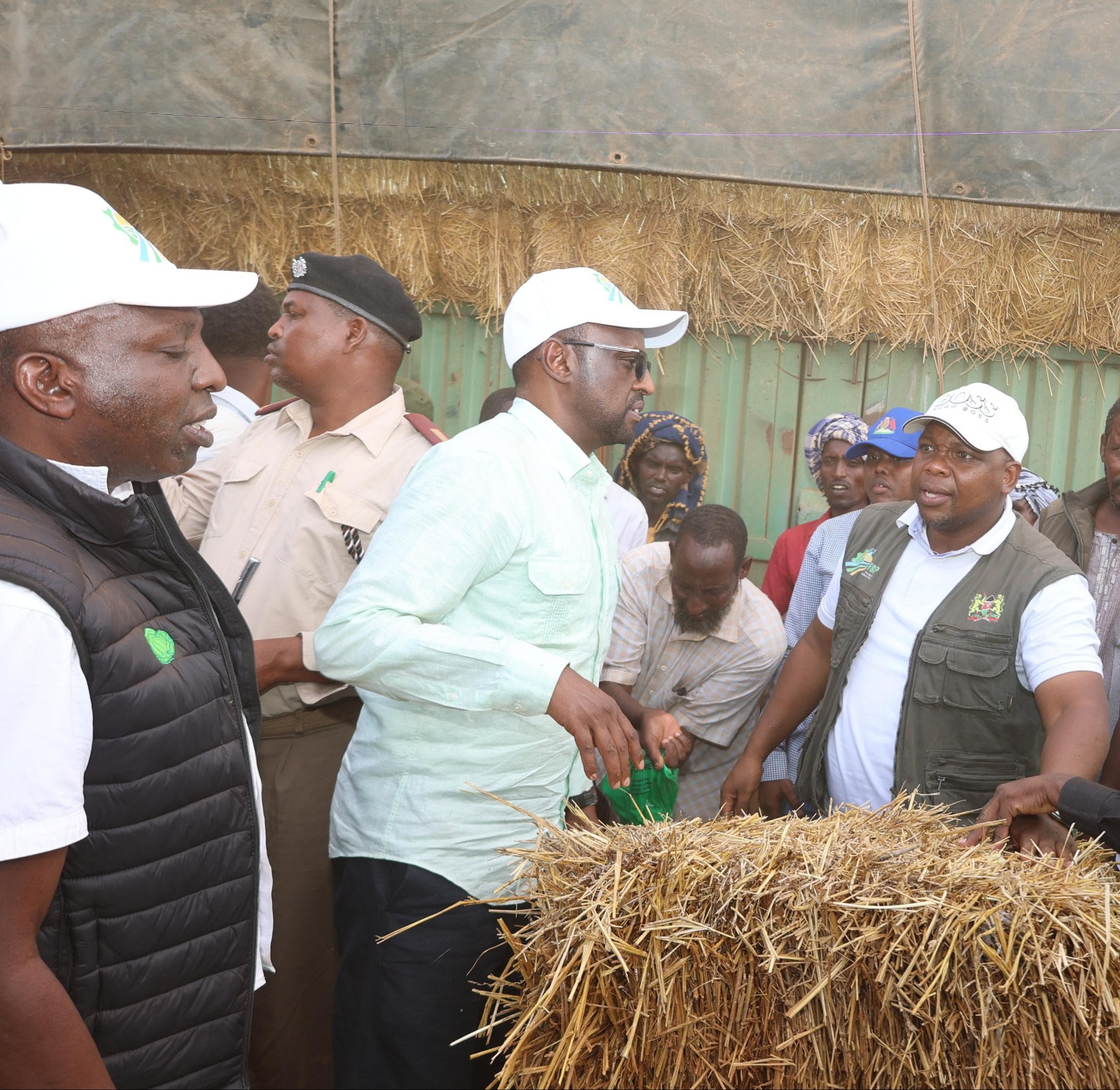
FSRP National Project Coordinator Hillary Ngeno said the subsidies are increasingly viewed as long-term investments rather than short-term relief.
“We want to mitigate livestock losses where forage is depleted. With climate-induced shocks, these subsidies help prevent mass livestock deaths, which would otherwise devastate incomes, food security, and household wealth,” he said.
Ngeno added that the initiative will help protect rural livelihoods by sustaining livestock, which serve as both economic assets and a key source of nutrition, while shielding households from irreversible financial losses.
Findings from the 2026 Drought Impact and Needs Assessment (DINA) under the FSRP highlight worsening conditions, including deteriorating livestock health, rising disease outbreaks, and a 70 to 90 per cent decline in rain-fed crop yields.
Many open water sources have also dried up, deepening food insecurity across affected regions.
Mandera Deputy Governor Dr. Ali Maalim said the subsidy programme comes at a critical time as drought continues to strain livestock, pasture, water resources, and household incomes.
“This initiative moves beyond emergency response and introduces a more structured and sustainable support system for pastoralists. Farmers will access hay at Ksh 250 per bale and silage at Ksh 270 per unit, with the government covering the remaining cost,” he said.
Senior Presidential Advisor on Food Security and Animal Production, Dr. Dominic Menjo, emphasized the need for targeted investments, including feedlots and improved livestock systems, to enhance productivity and efficiency in the sector.
As of early 2026, severe drought conditions in Kenya, driven by the failure of the October–December 2025 short rains, have triggered a critical shortage of livestock feed and fodder, with a reported 60 percent deficit affecting pastoral and agricultural livelihoods.
The crisis has prompted the government to initiate emergency feeding programs and establish strategic feed reserves as millions of livestock face starvation in Arid and Semi-Arid Lands (ASAL).
The Ministry of Agriculture and Livestock Development has this year restructured the subsidy into a revolving fund model, shifting from one-off emergency grants to a sustainable, market-oriented approach.