
KEMRI, county partner to promote traditional medicine for chronic illnesses
RENNISH OKONG’O-KNA
KEMRI and Elgeyo-Marakwet County are working together to turn traditional herbal remedies into scientifically backed treatment options within Kenya’s healthcare system.
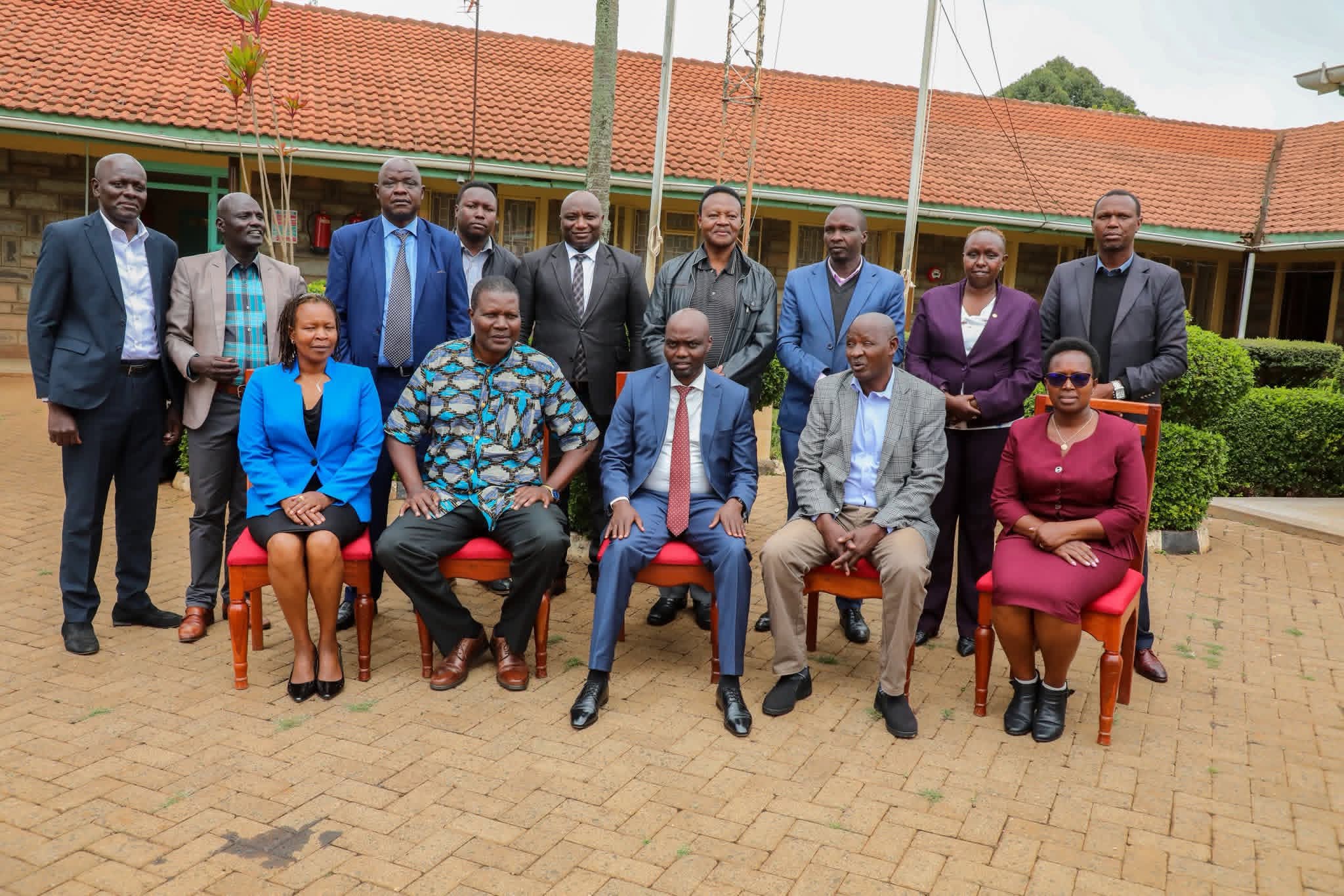
This is aimed at expanding treatment options for chronic diseases, including cancer. The collaboration was formalized during a meeting between Governor Wisley Rotich and KEMRI Acting Director General Prof. Elijah Songok.
Prof. Songok said the partnership seeks to scientifically validate traditional herbal medicine and incorporate it into Kenya’s healthcare system.
“Our goal is the integration of traditional medicine into mainstream medicine. We have conducted extensive research and identified Elgeyo Marakwet as one of the best regions where medicinal plants thrive,” he said.
He revealed that KEMRI has identified more than 141 species of medicinal plants in the county, with six priority species earmarked for initial research targeting cancer treatment.
“Iten County Referral Hospital is among the selected facilities that will host clinical trials to test the safety and effectiveness of the herbal formulations. The drugs will be developed into modern forms such as tablets, syrups, capsules, and inhalers,” he added.
Governor Rotich welcomed the initiative, noting that it bridges indigenous knowledge and modern science.
“Since time immemorial, our people have relied on traditional medicine, especially in treating chronic illnesses like cancer. It is encouraging that this knowledge is now being backed by scientific research,” he said.
The Governor highlighted the potential economic benefits for local communities, as farmers will be trained and contracted to grow the medicinal plants.
“We are exploring ways to engage our farmers to cultivate these medicinal plants, especially within forest areas, and ensure they earn income from the venture,” Rotich said.
Under the programme, farmers and herbalists will be supplied with seedlings, and nurseries will be established to support propagation of the six identified medicinal plants.
KEMRI will collaborate with key stakeholders, including the Kenya Forest Service (KFS), Kenya Forestry Research Institute (KEFRI), community forest associations, conservancy groups, and local herbalists to ensure successful implementation.
Prof. Songok noted that the demand for herbal medicine is expected to rise, making it essential to scale up production.
“Due to the anticipated demand, we chose Elgeyo-Marakwet because it has a high number of medicinal plants and a favourable ecosystem for their growth,” he said.
The pilot phase of the project has already begun, with one of the identified medicinal plants already planted.
Both leaders expressed optimism that the partnership will provide a sustainable solution to the growing burden of cancer in the region.
“Cancer continues to affect our people, and we believe this initiative will be part of the solution,” said Prof. Songok.