
New facility to double certified rice seed supply
DAVID WANDETO-KNA
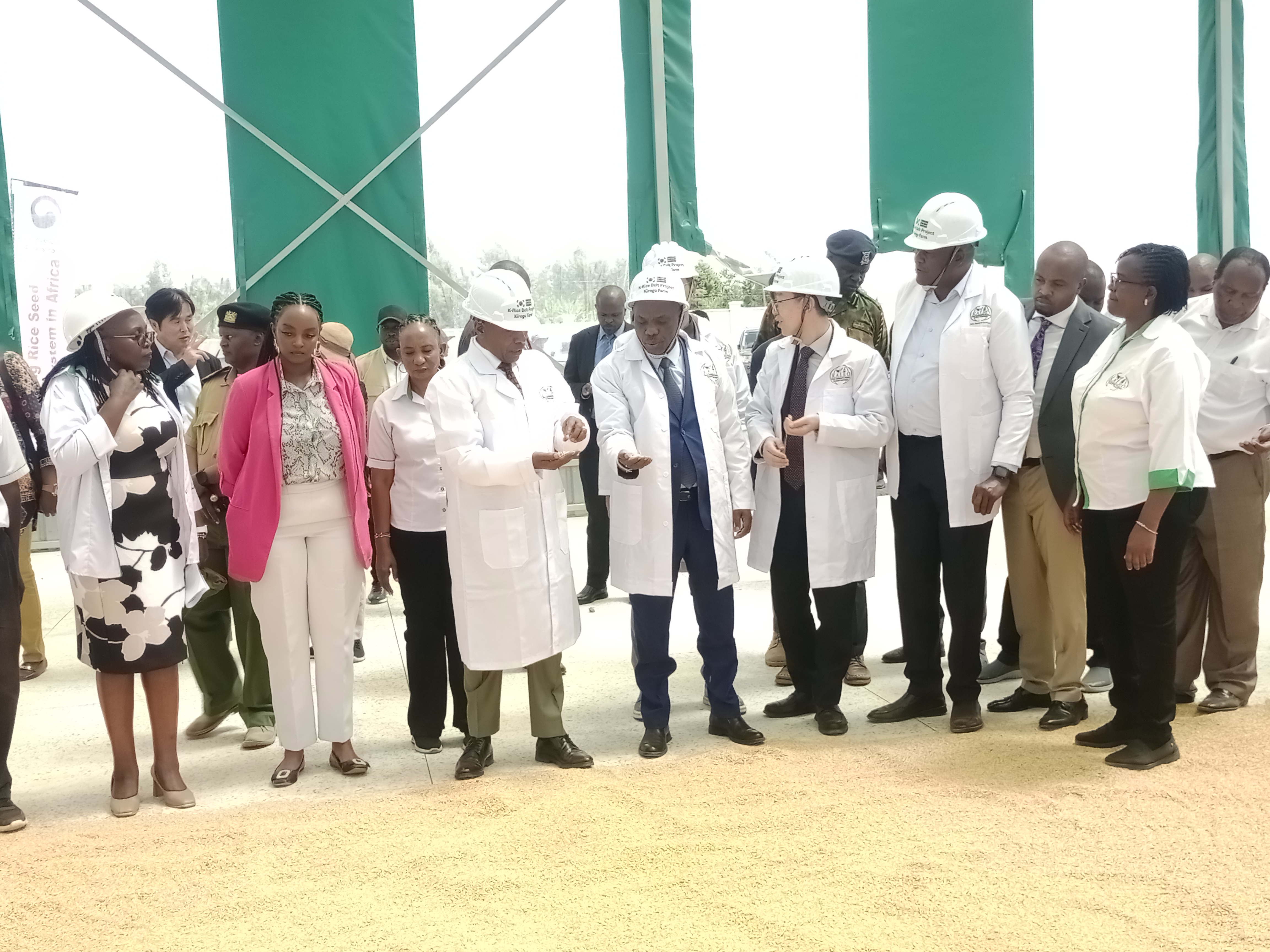
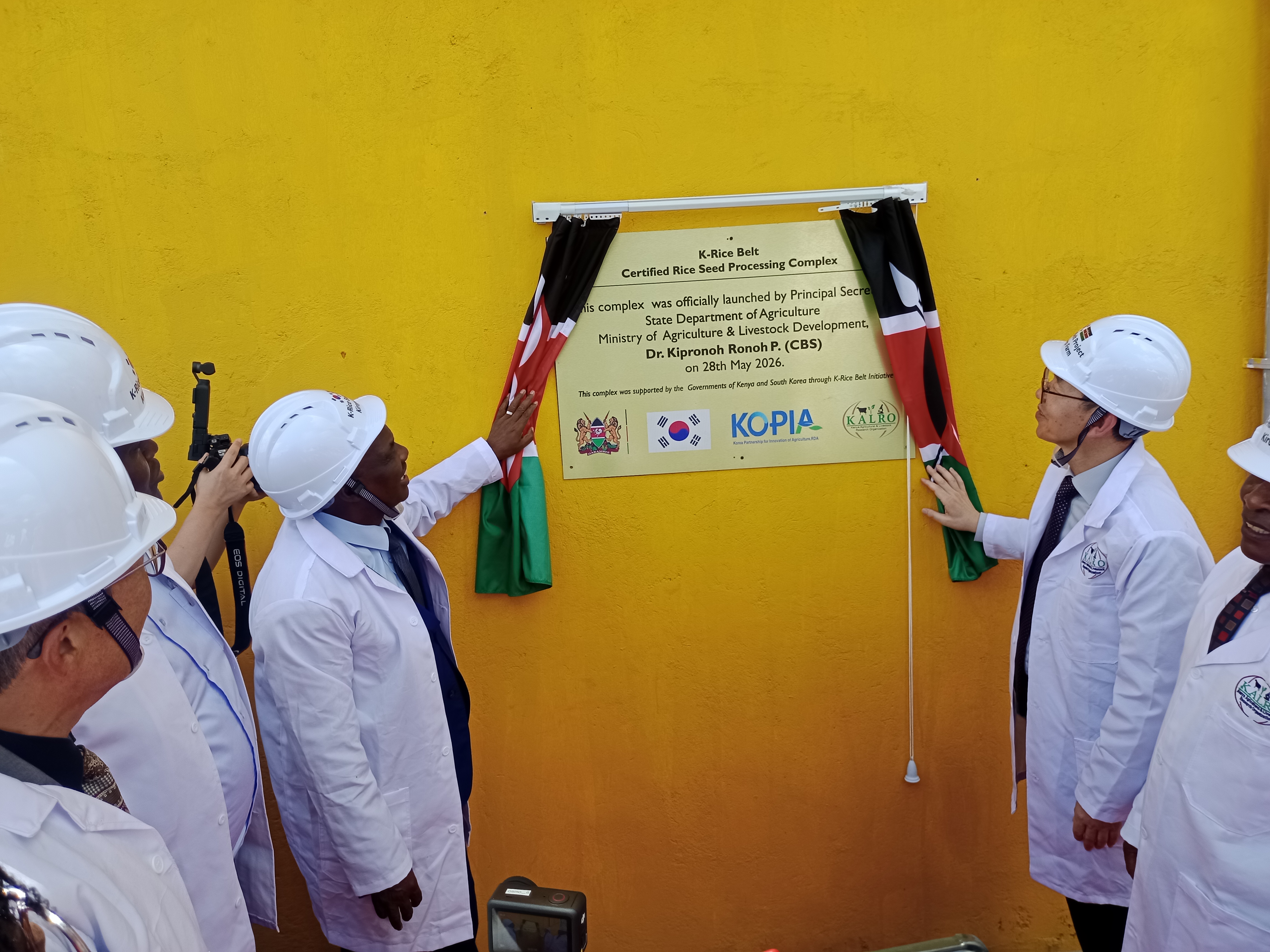
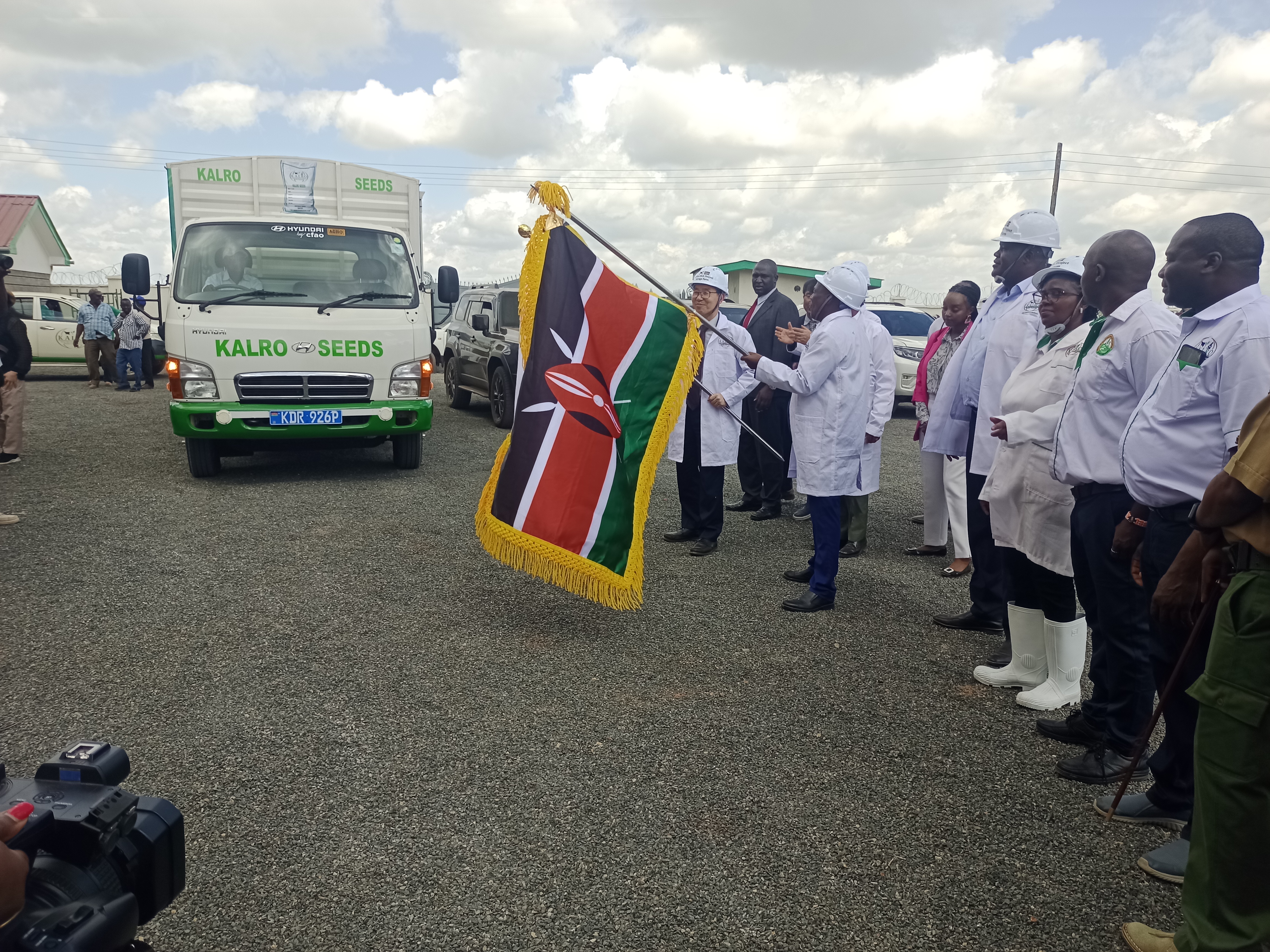
The Government has unveiled a state-of-the-art certified rice seed processing facility in Mwea, Kirinyaga County, as part of efforts to reduce reliance on imports and strengthen the country’s food security.
The facility, located at Kirogo Farm, is expected to transform rice farming by supplying affordable, high-quality certified seeds to thousands of farmers across the country.
Speaking during the launch, Agriculture Principal Secretary Dr. Kipronoh Ronoh described the facility as a major milestone in Kenya’s efforts to increase rice production. He noted that Kenya currently produces only 23 per cent of the rice consumed locally, forcing the country to depend heavily on imports to meet demand.
Dr. Ronoh expressed optimism that the new facility will significantly reduce the import burden while enabling farmers to increase productivity through access to quality seeds.
The project is jointly funded by the Governments of Kenya and South Korea through the Korea Programme on International Agriculture (KOPIA).
Equipped with advanced processing technology and modern storage systems, the facility has the capacity to produce 40 tonnes of certified rice seed daily, translating to approximately 700 tonnes annually.
According to Dr. Ronoh, the increased availability of certified seeds will ensure farmers have reliable access to quality planting materials, leading to higher yields and improved incomes.
“This facility will not only enhance productivity but also attract young people and investors to agriculture while supporting the Government’s food security agenda,” he said.
South Korean Ambassador to Kenya, Kang Hyung-shik, underscored the importance of agriculture to Kenya’s economy, noting that the sector contributes 23 per cent of the country’s Gross Domestic Product and provides employment to more than half of the workforce.
He emphasized that South Korea highly values its long-standing partnership with Kenya, which dates back to 1964, and highlighted ongoing cooperation in agricultural technology transfer, innovation, and mechanization.
The Ambassador revealed that South Korea already imports Kenyan tea and coffee and is working towards importing avocados once the process is finalized.
“We are seeking to expand cooperation in agricultural technology and mechanization to improve food production and farmers’ incomes,” he said.
He noted that the Korean government is supporting humanitarian programmes in Kakuma and Dadaab refugee camps while also investing in agricultural projects aimed at enhancing food security.
Kenya Agricultural and Livestock Research Organization (KALRO) Director General Dr. Patrick Ketiem said the facility’s modern technology will directly benefit farmers by improving access to certified seeds.
He explained that KALRO has developed five rice varieties including Komboka, Mkombozi, and Tongil that are high-yielding and disease-resistant.
Some of these varieties can produce up to seven tonnes per acre. Dr. Ketiem assured farmers that KALRO will work closely with cooperatives and farmers’ organizations to ensure widespread distribution of certified seeds.
“The future of rice farming in Kenya is promising. We shall do everything possible to ensure farmers get quality certified seeds,” he said, while thanking the South Korean government for supporting training programmes for Kenyan agricultural experts.
KOPIA Kenya Country Director Ji Gang Kim added that the project, which began in 2024, will not only serve Kenyan farmers but also train farmers from across East Africa in modern rice farming technologies.
This regional approach, he said, will help spread innovation and strengthen food security beyond Kenya’s borders. Kirinyaga County Executive Committee Member for Agriculture Dr. John Gachara praised both governments for supporting agricultural transformation in the county.
Meanwhile, Mwea Rice Growers Multipurpose Cooperative Society Agronomist, Michael Mwangi, said the region has long struggled with seed production challenges but expressed confidence that the new facility will resolve the problem.