
Ministry unlocks Sh175b to revive stalled road projects
NELLY KOSGEY-PCO
Kenya has mobilized Sh175 billion to restart more than 580 stalled road projects across the country, following the adoption of a securitization programme anchored on the fuel levy.
The move marks a significant shift in infrastructure financing, aimed at accelerating road development while safeguarding jobs and ensuring value for money.
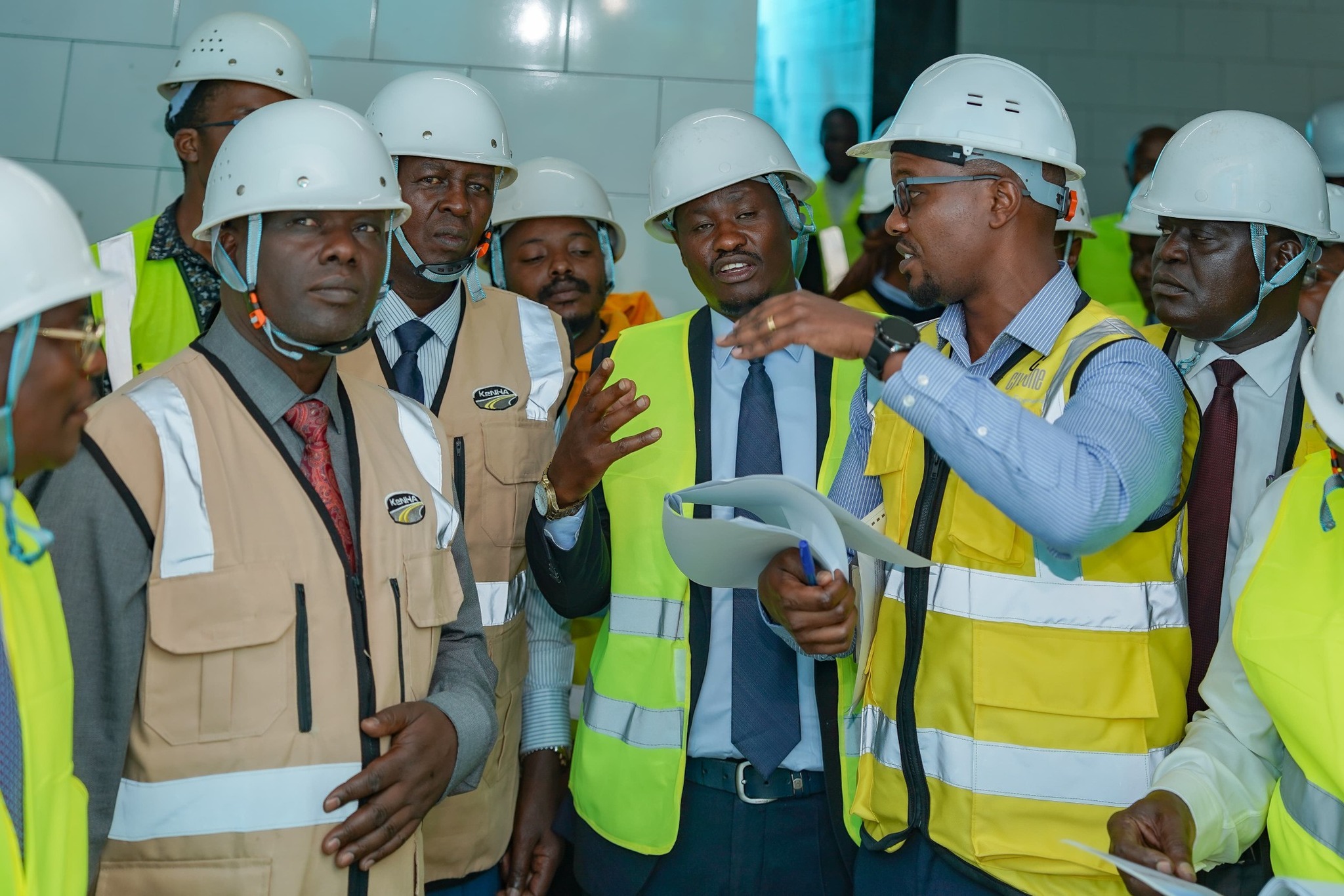
Principal Secretary for Roads, Eng. Joseph Mbugua, who made the remarks before the Departmental Committee on Transport and Infrastructure during the presentation of 2026 Budget Policy Statement, said road construction has traditionally relied on Exchequer funding and support from development partners.
However, competing demands for limited national resources have slowed progress, leading to the accumulation of pending bills and stalled projects.
“The implications have been dire, including loss of enterprises, jobs, and risks to the value of road asset investments,” he noted.
The government, through the Kenya Roads Board (KRB), has adopted securitization—a structured financing approach that converts predictable future revenues into immediate funding.
“In this case, a portion of the fuel levy, set at Sh7 per litre of petrol and diesel, has been leveraged to raise funds upfront,” he said.
“This mechanism does not introduce new taxes or impose additional financial burdens on citizens. Instead, it unlocks value from existing revenue streams to accelerate infrastructure delivery,” said Eng Mbugua.
The Sh175 billion raised has been applied to clear pending bills owed to contractors, restoring confidence in the sector.
The PS observed that contractors have since re-mobilized equipment, workers have returned to sites, and suppliers have resumed deliveries.
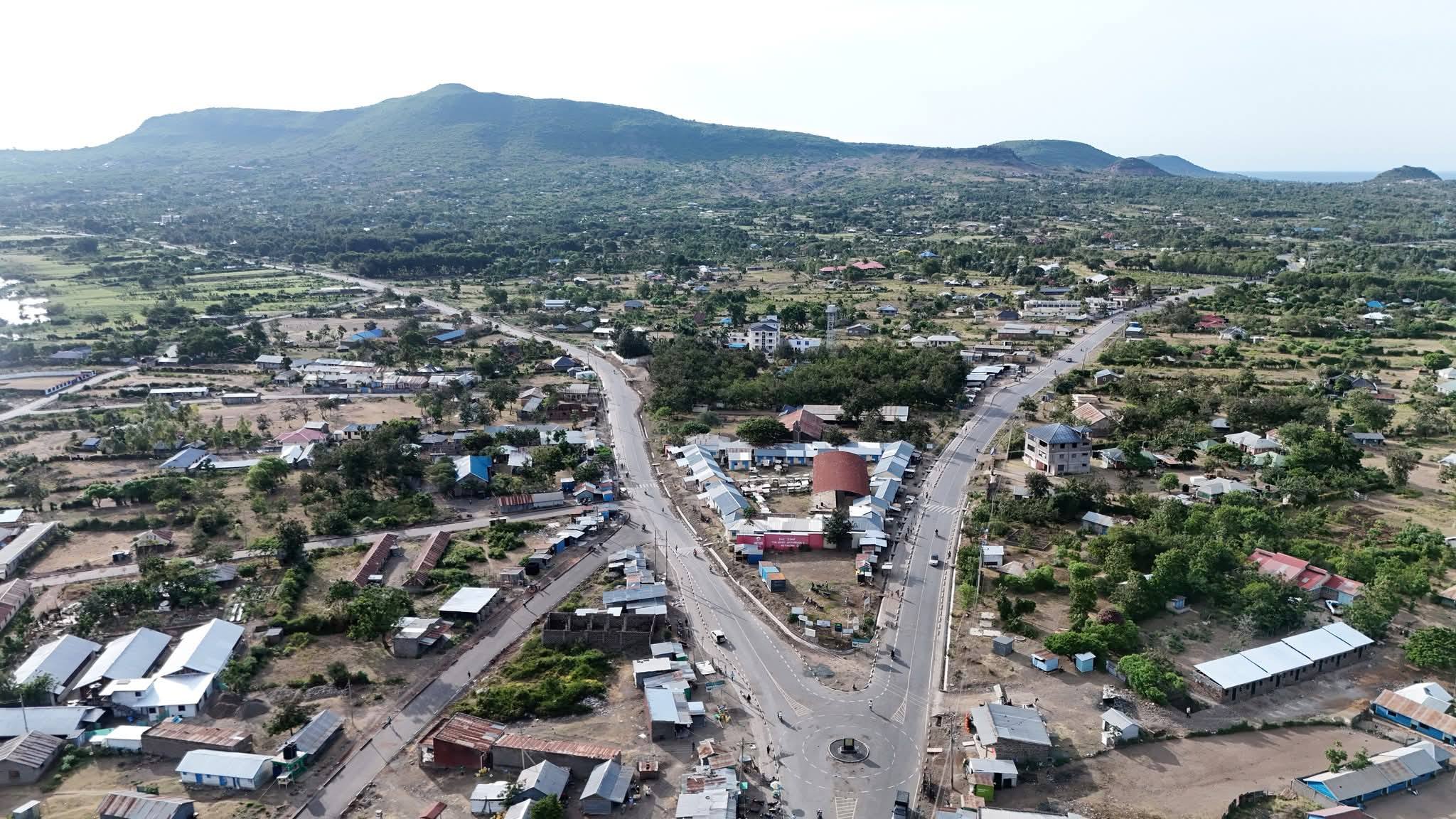
He noted that road works across the country—from national trunk roads to rural access routes—are progressing toward completion, reducing travel time, cutting transport costs, and stimulating economic activity.
The programme, the PS disclosed, has safeguarded over 10,000 jobs across the road construction value chain, including engineers, technicians, plant operators, suppliers, and manual labourers.
“Families dependent on these jobs have regained livelihoods, while communities are benefiting from improved connectivity.
Projects such as the Rironi-Mau Summit highway are back on track, promising safer and more reliable transport links,” said the PS.
Beyond employment, Eng Mbugua noted that the intervention has prevented cost escalations associated with delayed payments and interest charges.
“By settling pending bills, the government has protected public funds and enhanced value for money. The structured financing approach ensures longterm sustainability without overburdening taxpayers,” he said.
The resumption of stalled projects has had immediate and visible results, said Eng Mbugua, while kilometres of roads and bridges are advancing toward completion, enhancing motorability nationwide.
“Urban links are easing congestion, rural roads are improving access to markets, and trunk roads are strengthening trade corridors,” he said.
“These developments are critical to the government’s Bottom-Up Economic Transformation Agenda, which relies on infrastructure to drive inclusive growth and shared prosperity,” said the PS.
He pointed out that road transport accounts for more than 90 per cent of Kenya’s internal passenger and freight needs, underscoring its importance to socio-economic development.
“The securitization programme demonstrates the government’s commitment to meeting its obligations and safeguarding the integrity of the roads sub-sector,” he said.
“The success of the fuel levy securitization programme highlights Kenya’s ability to employ innovative financial solutions to address infrastructure challenges,” said the PS.
By unlocking funds from predictable revenue streams, he noted, the government has shown that it can deliver critical projects without resorting to unsustainable borrowing or imposing new taxes.
“This is not about borrowing, but about unlocking value from available revenue streams,” Eng. Mbugua emphasized.
The approach ensures responsible, structured financing that supports long-term infrastructure development while protecting taxpayers.
According to the PS, the securitization programme has set a precedent for sustainable infrastructure financing in Kenya.
“It demonstrates that with innovation and prudent resource utilization, the government can deliver on its promises to citizens. Roads are more than physical assets; they are enablers of social mobility, economic inclusion, and national growth,” said Eng Mbugua.