
Ministry to roll out smallholder irrigation model nationwide
MUTAI KIPNG’ETICH-KNA
The Government is set to replicate a successful smallholder irrigation programme across the country following impressive results from pilot projects in Kirinyaga County that boosted farm productivity and household incomes.
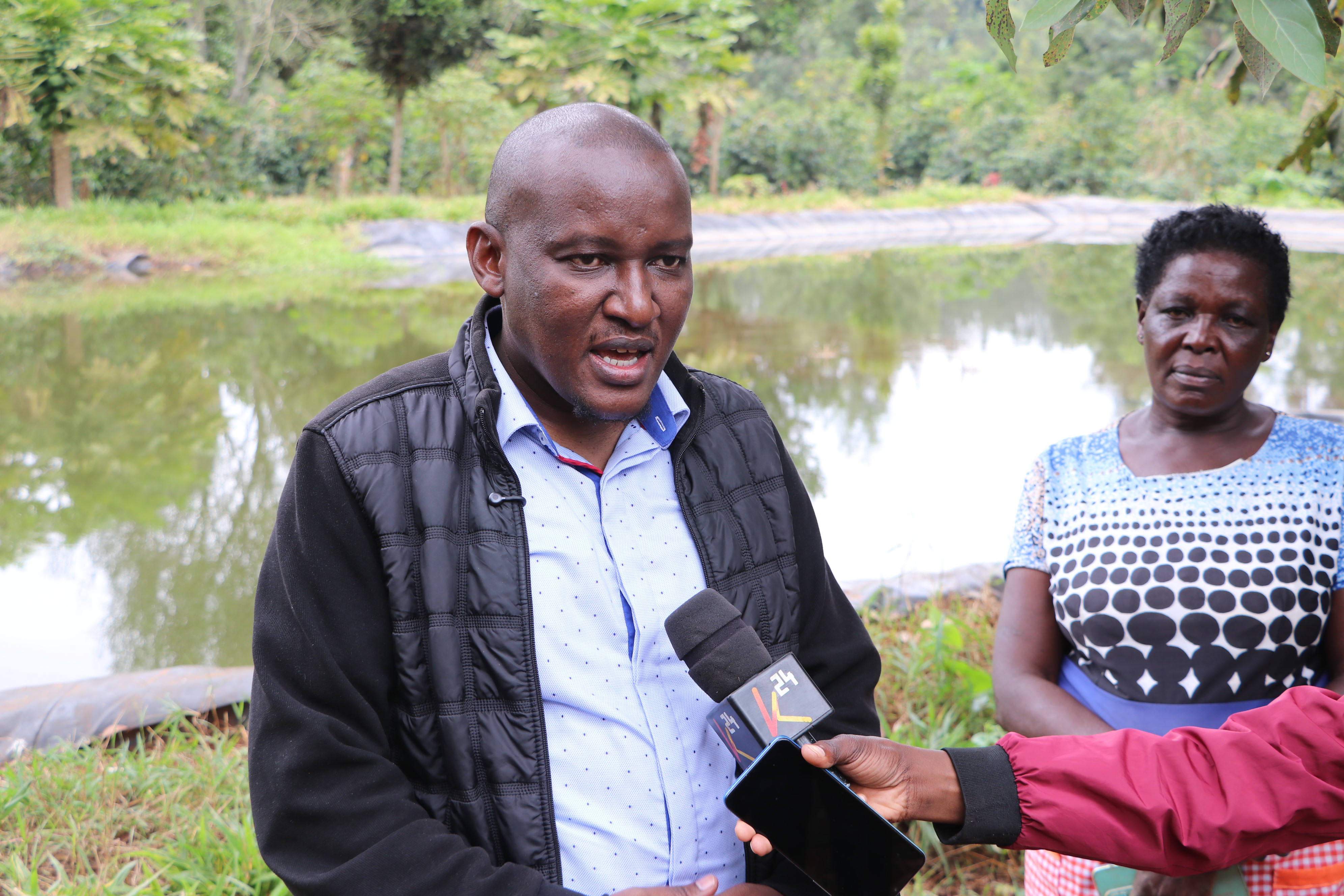
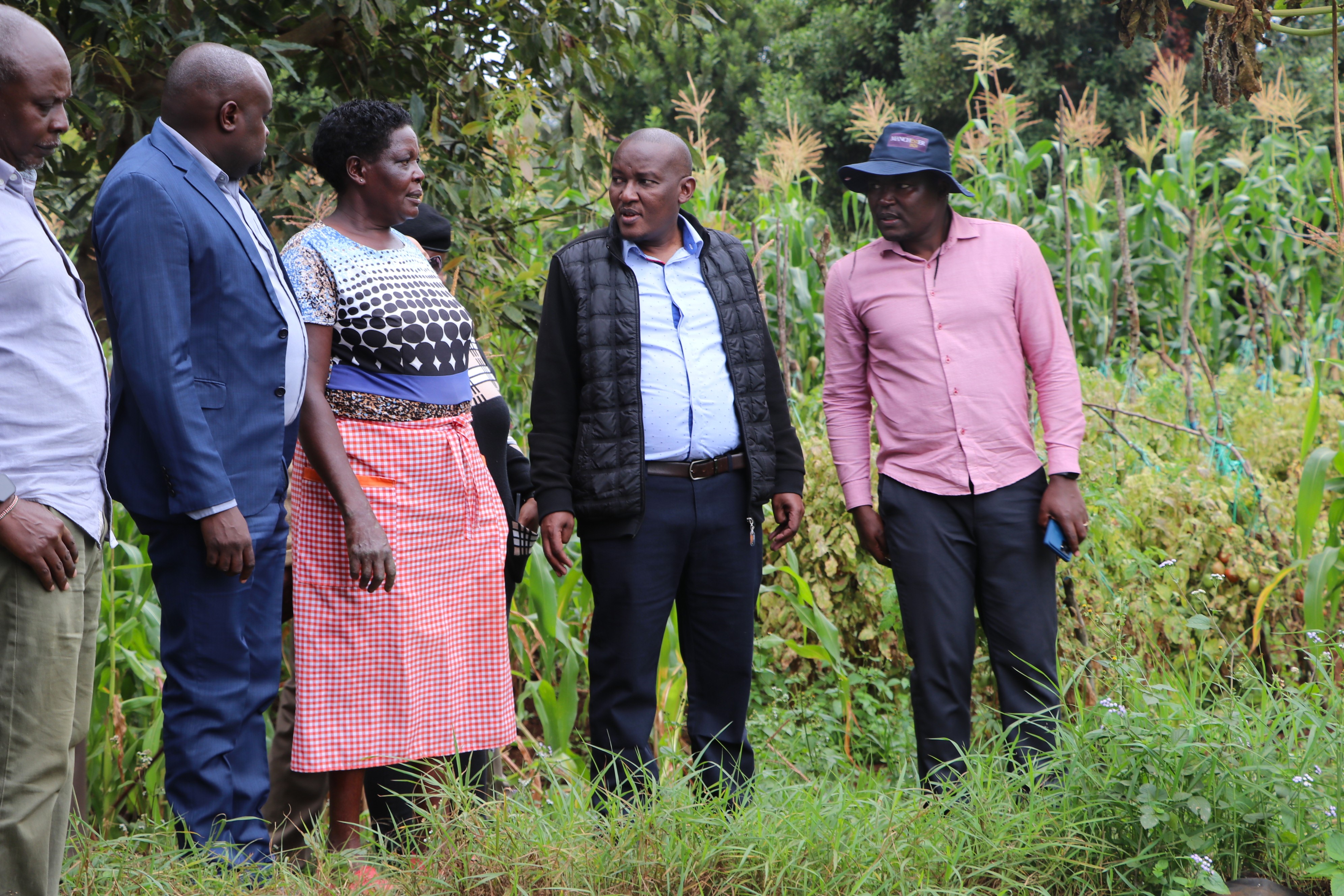
Speaking during a tour of Kandeki Irrigation Scheme in Kirinyaga, Irrigation Principal Secretary Ephantus Kimotho said the blended financing model combining farmer contributions, government grants and bank loans has proven sustainable and will now be expanded to other regions, including Western Kenya.
Under the arrangement, farmers contribute 10 per cent of project costs, the government provides a 40 per cent grant, while financial institutions cover the remaining 50 per cent through loans guaranteed by development partners.
“The uniqueness of this programme lies in farmer ownership. Because they contribute financially and repay loans, they take responsibility for maintaining infrastructure, making the projects sustainable.
"Sustainability is key and is maintained by a farmer who is able to pay for operation and maintenance,” Kimotho said.
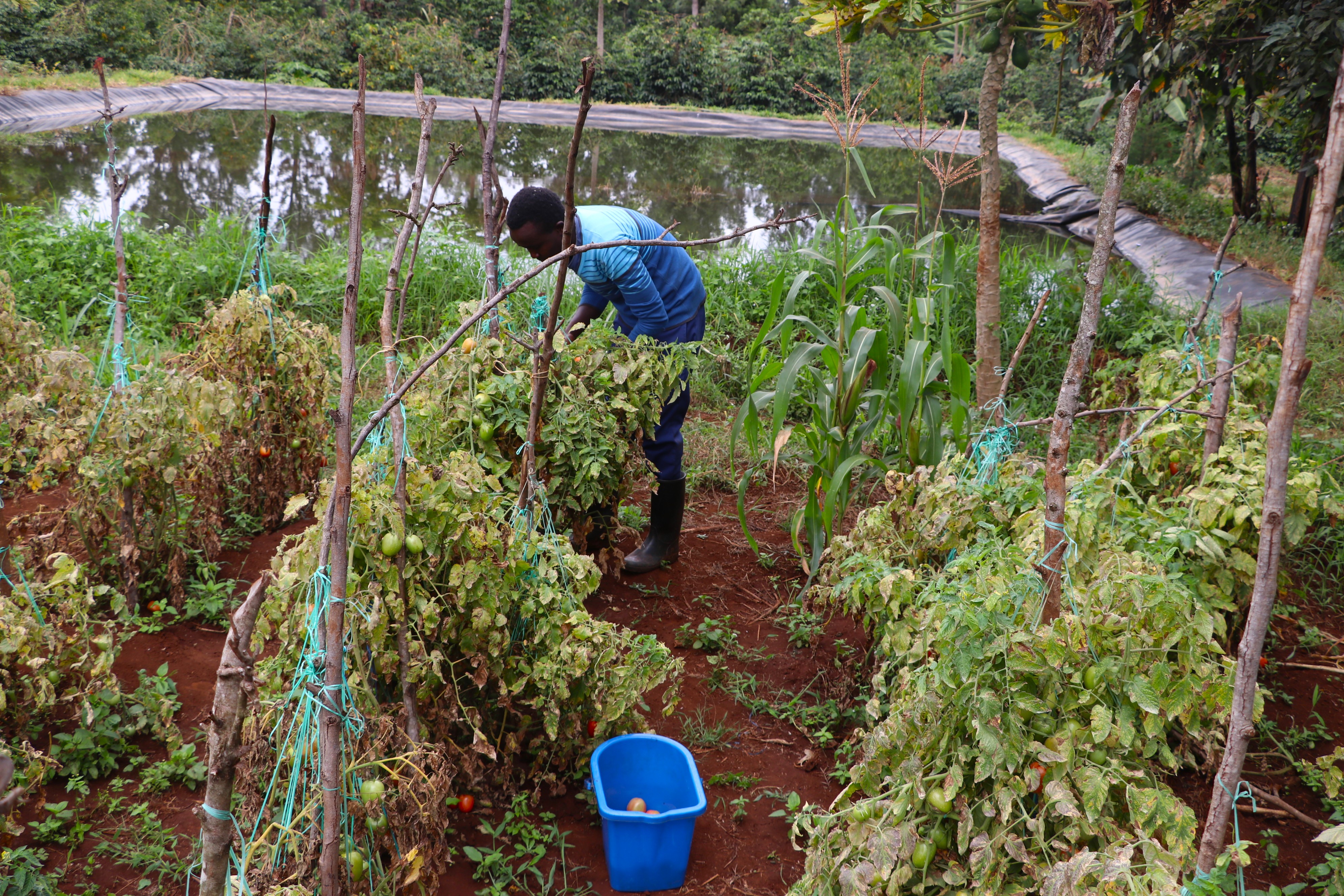
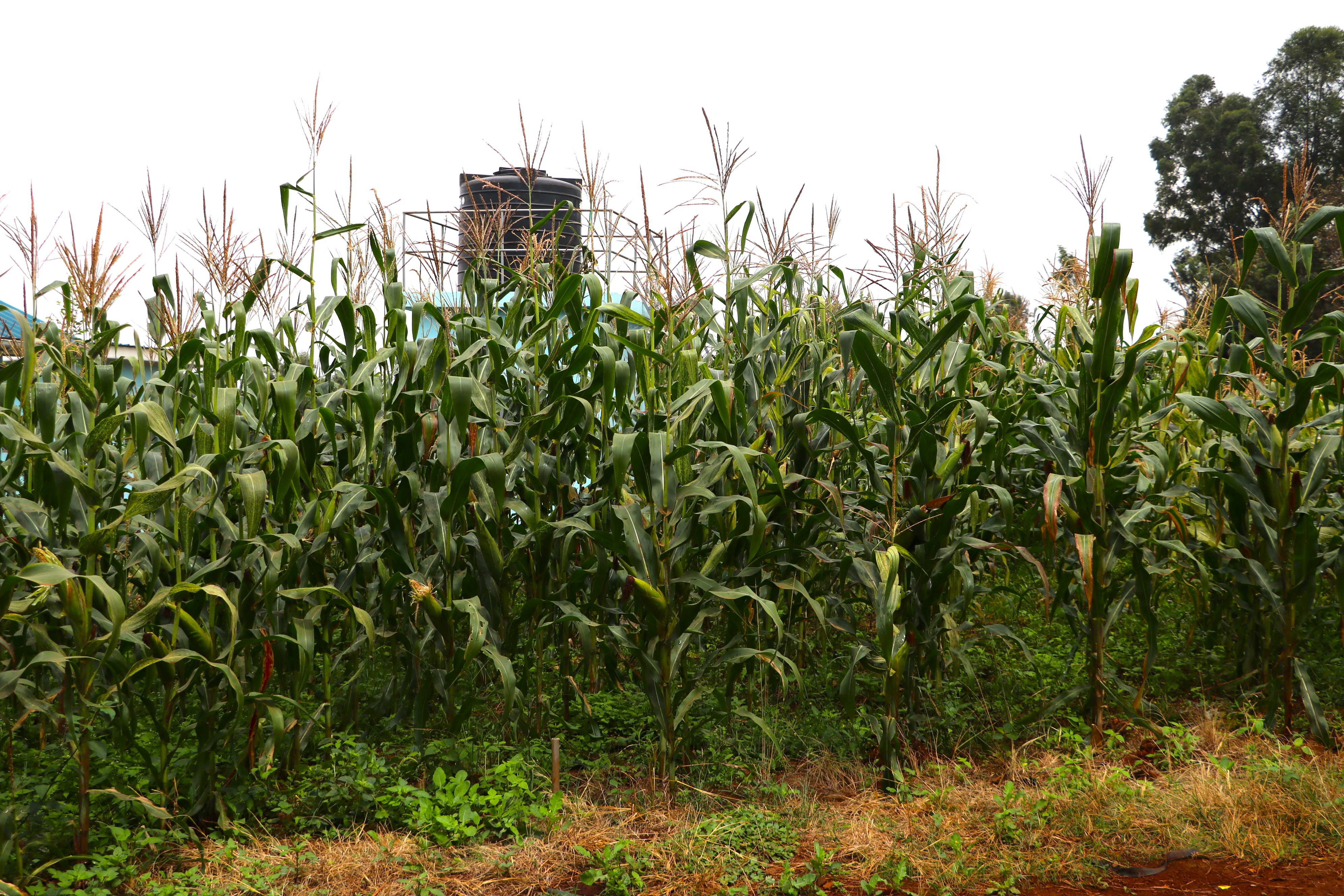
The Kandeki Irrigation Scheme brings together 245 farmers cultivating about 225 acres. The farmers have established management structures, including hiring a manager, marketers and technical staff to oversee operations and maintenance.
Kimotho noted that unlike fully government-funded projects, the mixed financing model encourages farmers to embrace agriculture as a business rather than merely a source of household food.
The State Department for Irrigation is working closely with county governments, financial institutions and development partners to ensure farmers receive quality inputs, extension services and access to markets.
County Aggregation and Industrial Parks (CAIPs) will provide one of the main market avenues, enabling farmers to pay for operations and maintenance while generating additional income to employ more farm workers and maximize land use.
“Our focus is not just on providing water but also connecting farmers to reliable markets through aggregators, contract farming and partnerships with agro-industrial parks,” Kimotho added.
The programme has recorded impressive loan repayment rates, with about 95 per cent of participating farmers servicing their loans successfully. Some have completed repayment in just three years, despite repayment periods stretching up to seven years.
Over the past five years, the government has invested approximately Sh1.3 billion in irrigation projects in the Mount Kenya region.
Plans are underway to expand the programme in Western Kenya after securing grants worth Sh3 billion to support irrigation infrastructure and farmer capacity building.
Kimotho said the government, in collaboration with counties, conducts public participation and hydrological assessments before introducing the programme to new regions to ensure communities embrace the model and adequate water resources are available.
“We first map the hydrology of the area and then engage the county government and residents to determine whether they can accept the model,” he explained.
The department has already held engagements with governors in the Western region on the possibility of introducing the programme. Counties play a key role in ensuring farmers produce the right quality through provision of extension officers and certified seeds.
The expansion forms part of the government’s broader target of placing 2.5 million acres under irrigation. Currently, about 772,000 acres are irrigated nationwide.
The PS said the government intends to achieve the target through a combination of large-scale irrigation projects such as Galana-Kulalu and Bura schemes, alongside medium-sized dams to support community irrigation.
He cited the transformation of Mwea Irrigation Scheme as evidence of irrigation’s economic impact. Increased water availability has enabled double-season rice production, significantly boosting the local economy.
“Mwea now contributes nearly half of Kenya’s rice production. Currently, we are producing 305,000 metric tons, and Mwea gives us approximately 155,000 metric tons. It has become a major economic hub. We want to replicate such success stories across the country,” Kimotho said.