
Long-awaited Muruny –Siyoi dam to ease W.Pokot’s water woes
PARKLEA IVOR-KNA
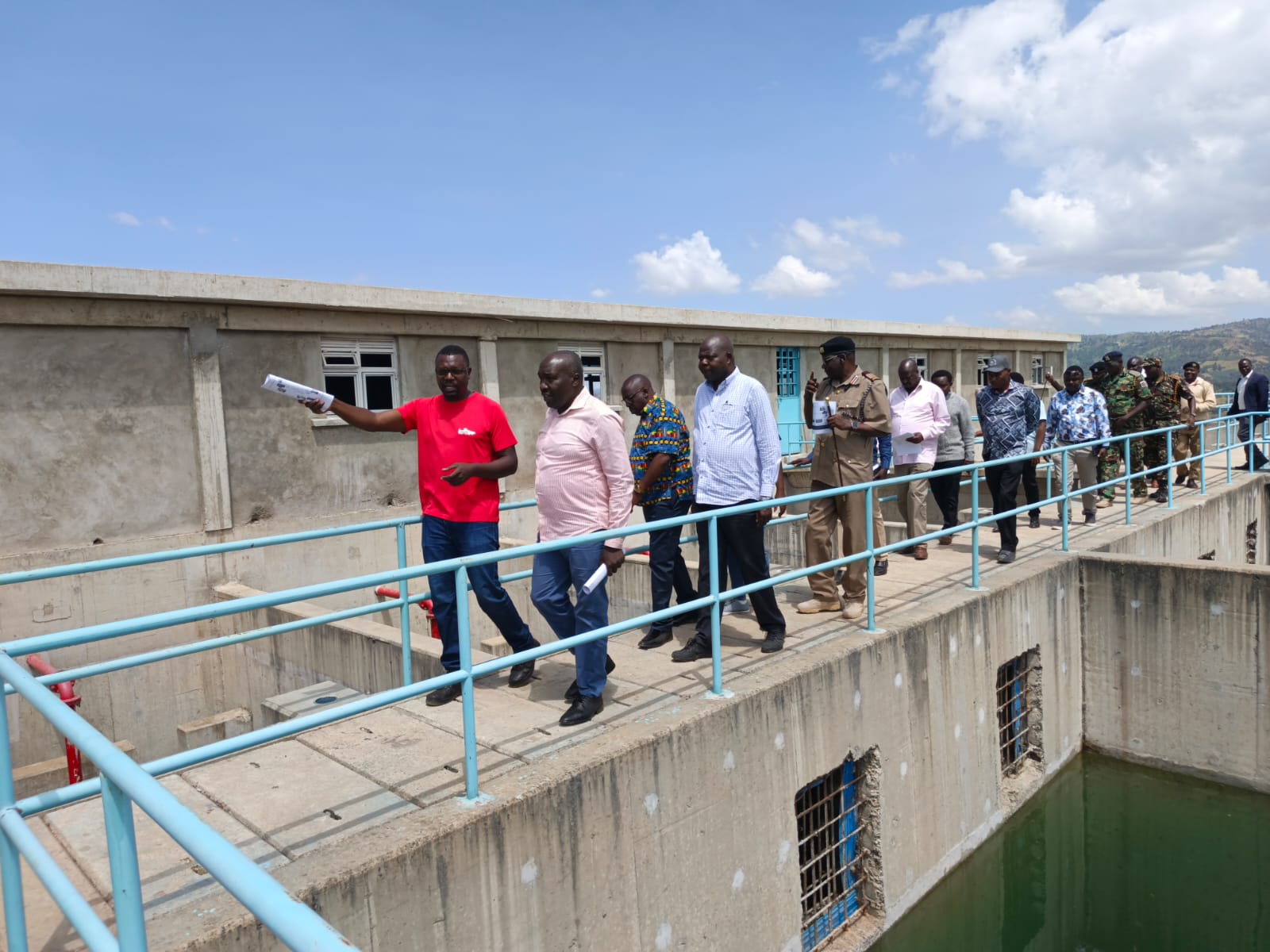
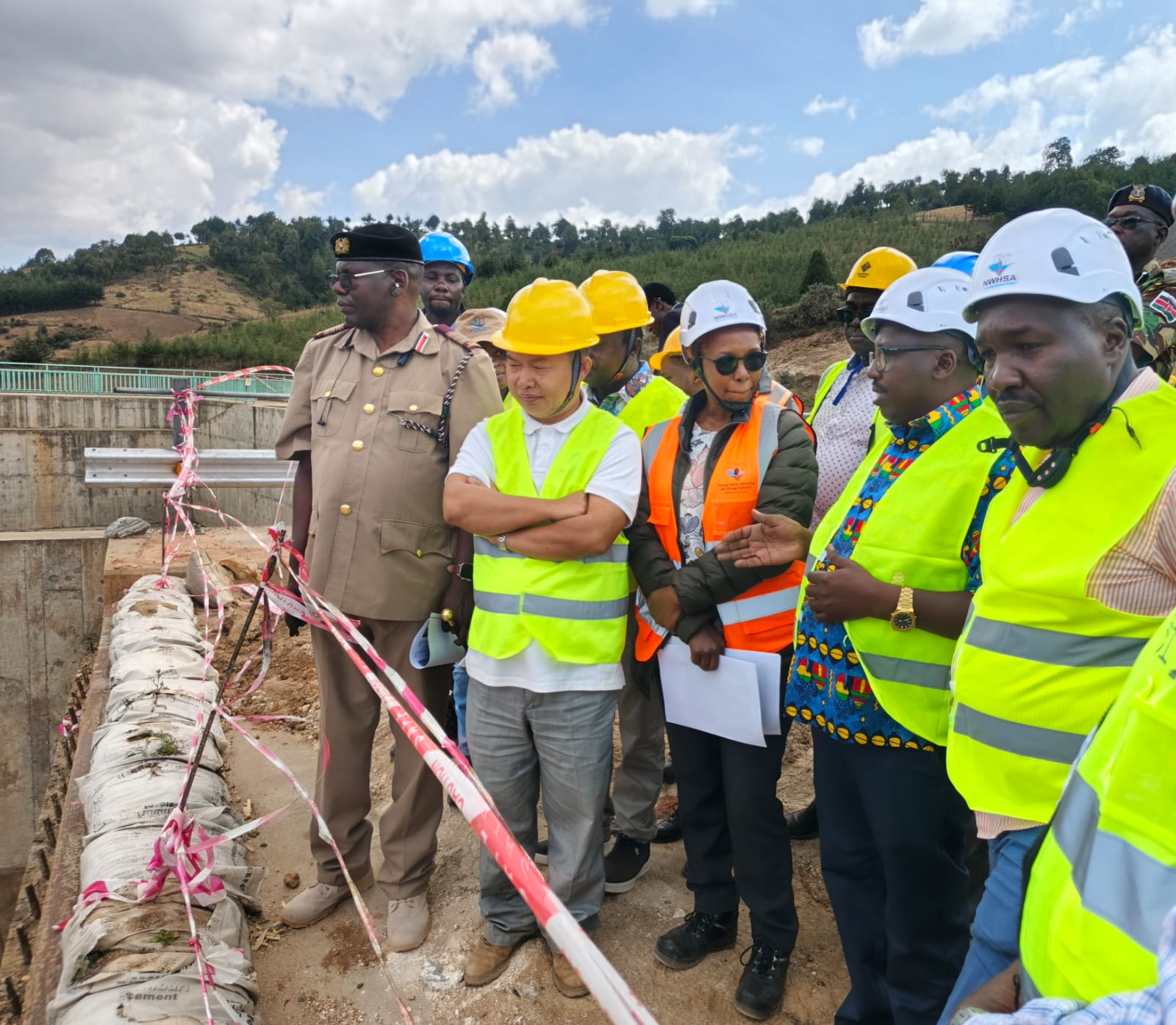
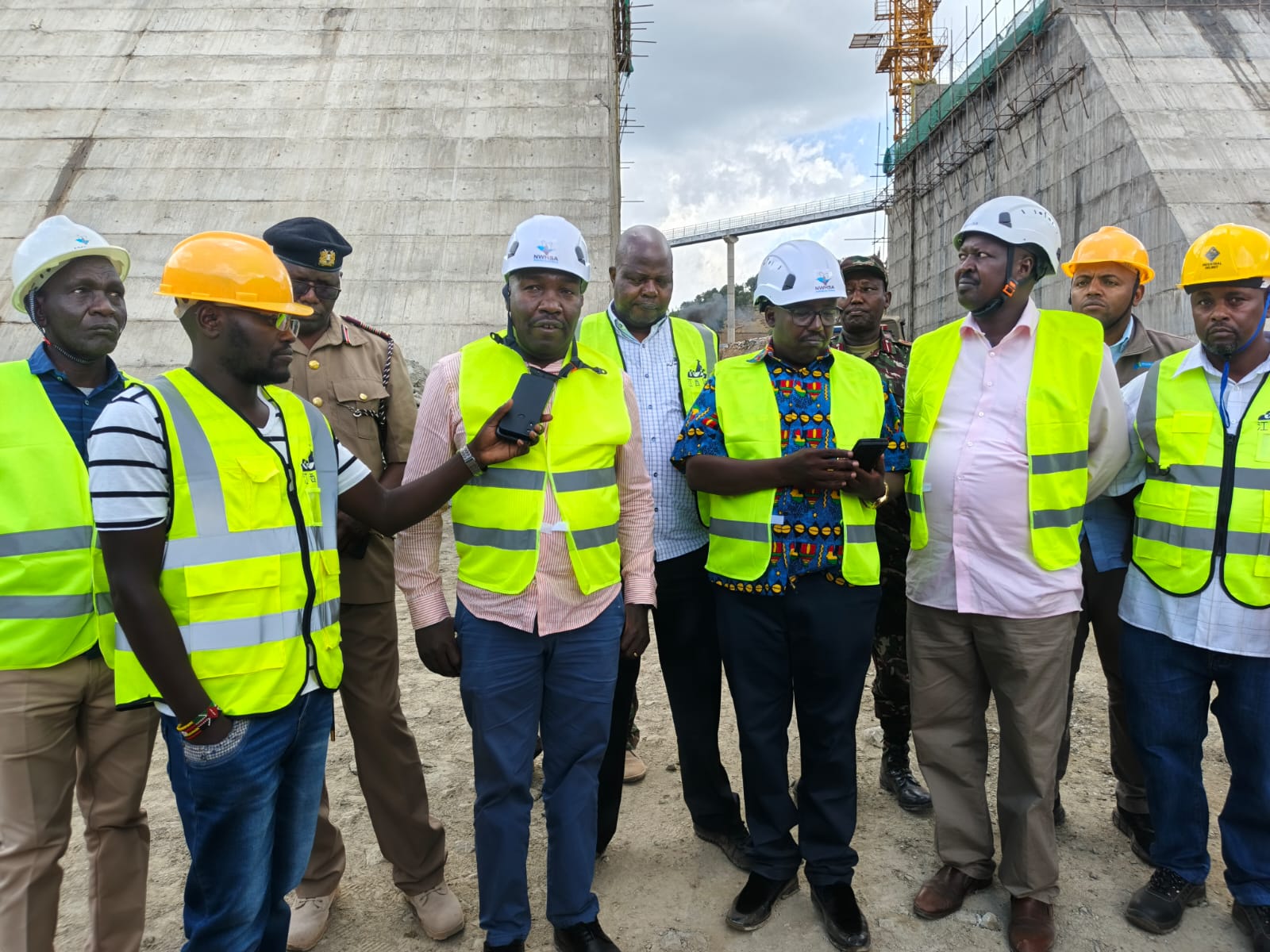
The Muruny–Siyoi Dam Kapenguria Water Supply Project is nearing completion and is expected to significantly improve access to clean and reliable water for residents of West Pokot County and neighboring areas, according to Principal Secretary for Water and Sanitation Julius Korir.
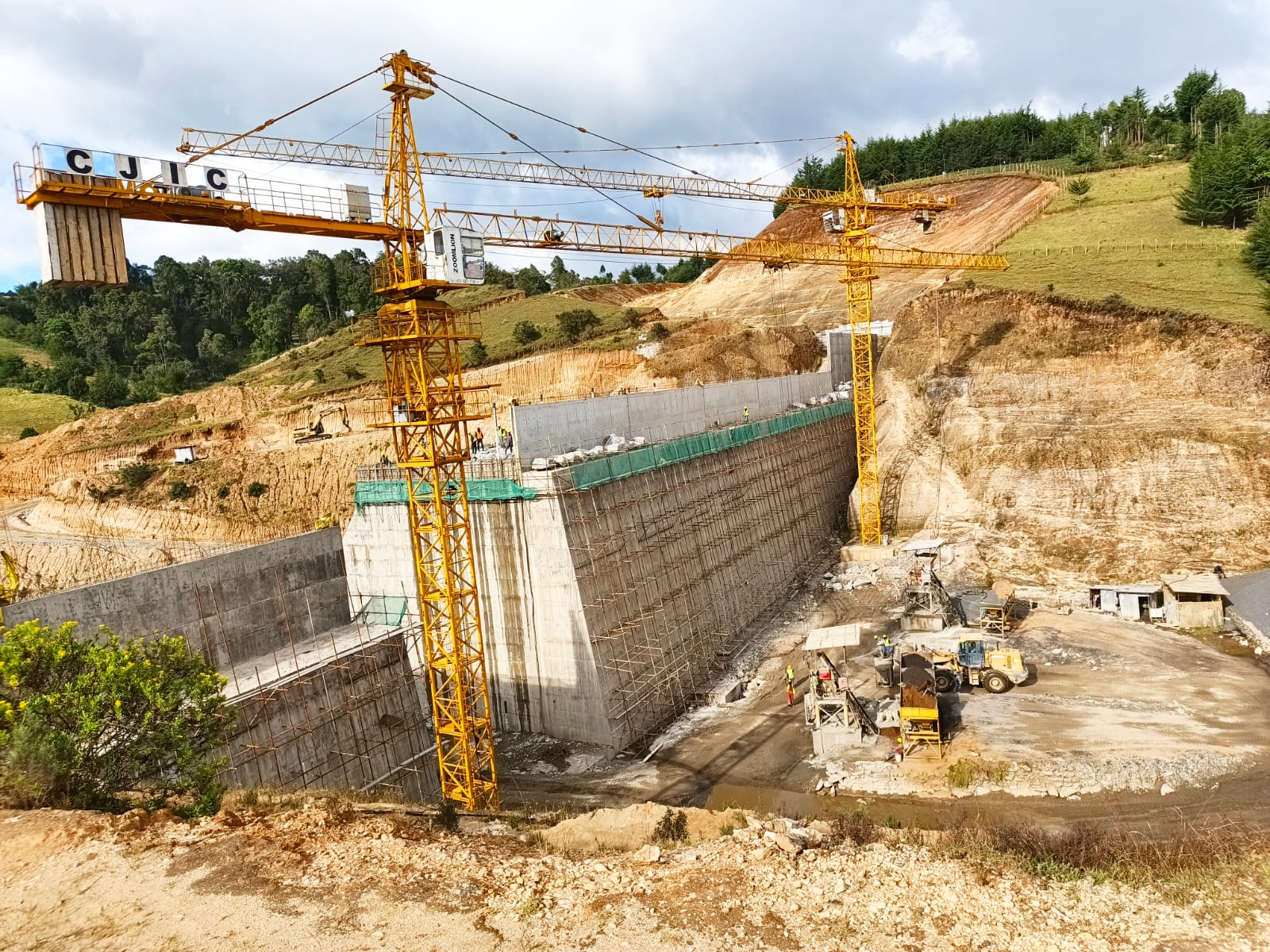
During a site visit, Korir said the multi-billion-shilling dam, implemented by the National Water Harvesting and Storage Authority (NWHSA), is currently 85 per cent complete, with the dam wall expected to be finished by July this year.
The project, which has been under implementation since 2015 at a total cost of Sh9.7 billion, is designed to address chronic water shortages in the region, classified as an Arid and Semi-Arid Lands (ASAL) area.
The PS was accompanied by the Acting Chief Executive Officer of NWHSA, Eng. Julius K. Mugun, alongside engineers, contractors, county administrators and other key stakeholders involved in the project.
Once operational, the Muruny–Siyoi Dam will have a storage capacity of 9.3 million cubic litres of water and is expected to benefit more than 350,000 residents in Kapenguria, Makutano, Kacheliba and surrounding communities.
“The project is fully funded by the Government of Kenya and has been designed as a gravity-fed system, making it highly cost-effective in terms of operation and maintenance,” Korir noted.
He explained that the project has been implemented in two main phases.
Lot One involved the construction of the dam and an 11-kilometre raw water transmission pipeline from the dam to Kaibibich, which has already been completed.
Lot Two focuses on the development of a water treatment plant in Kaibibich with a treatment capacity of 39,000 cubic metres per day, as well as the transmission of treated water to Kapenguria town.
Korir confirmed that all dam tanks and the main pipeline have been completed and are currently undergoing testing to ensure they meet the required technical standards before commissioning.
He acknowledged that the project experienced delays, largely due to liquidity and cash-flow challenges faced by the contractor. However, he said the government has taken deliberate steps to address the issue and ensure completion.
“In the last financial year, KES 600 million was paid to the contractor, and we are now seeking an additional KES 600 million through supplementary funding to ensure that the remaining works are completed without further delay,” he said.
The PS reiterated the government’s commitment to fully delivering the project and ensuring it serves the intended beneficiaries as planned.