
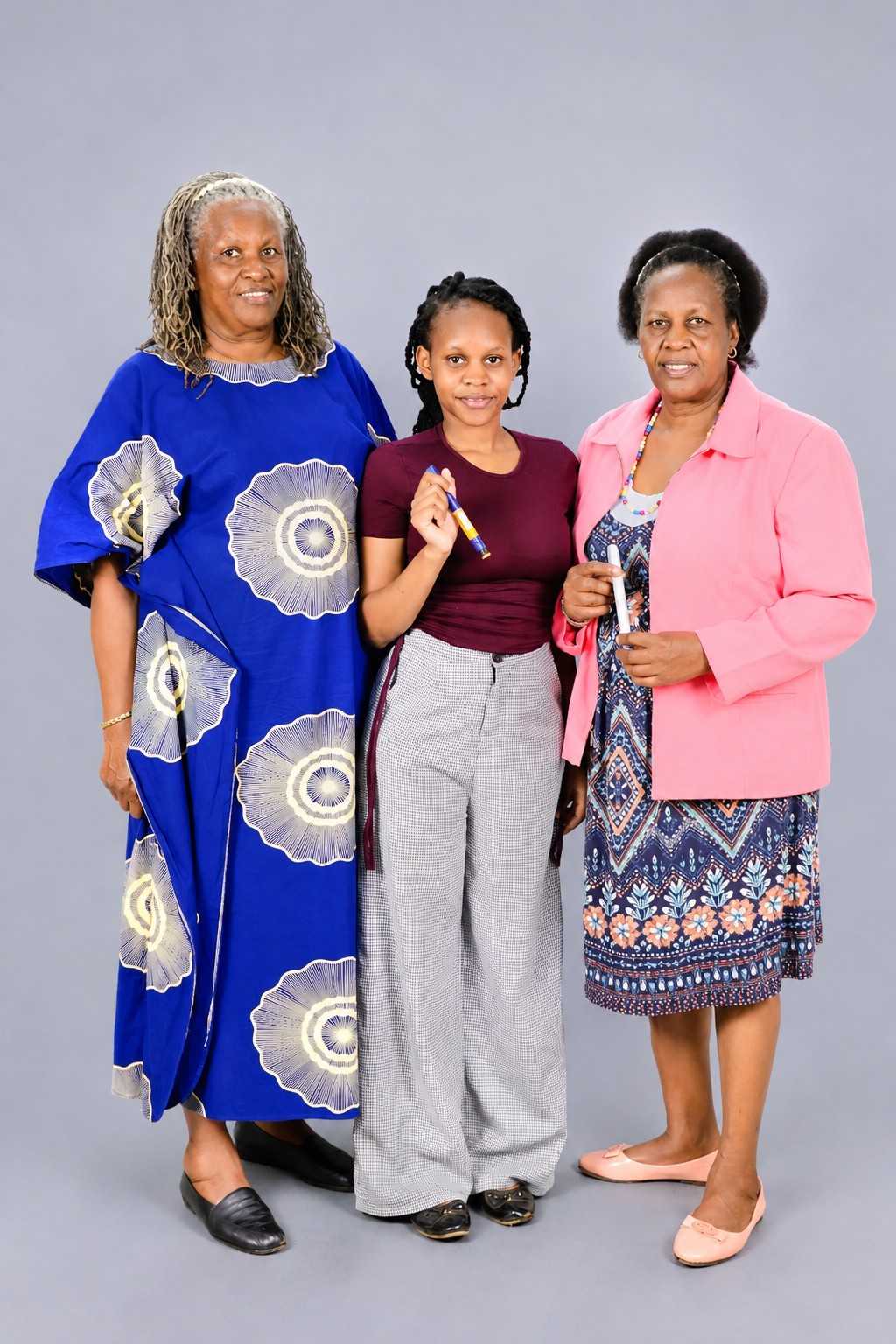
Living beyond diabetes: Grace Wanjiku's journey of resilience and hope
By Wangari Ndirangu (KNA)
As the world marked World Diabetes Day on November 14, Grace Wanjiku Mbuthia's story stands as a powerful reminder that a diagnosis does not have to define a person's future.
At just eight years old, Wanjiku was diagnosed with Type 1 diabetes, a life-changing condition that forced her to learn how to monitor her blood sugar, inject insulin and manage her diet while most children her age worried about school, games and birthday parties. Eighteen years later, after overcoming stigma, discrimination and the financial burden of treatment, the 26-year-old has transformed her personal struggle into a source of hope for others living with diabetes.
Her journey began in February 2008 when persistent bedwetting, severe weight loss, vomiting and deteriorating health led to her admission to Kenyatta National Hospital. Initially, her symptoms were mistaken for malaria, a common occurrence at a time when childhood diabetes was not widely recognised in Kenya.
“I thought it was malaria because the symptoms were similar, but the medication was not helping. I was eventually referred to Kenyatta National Hospital, where I was diagnosed and admitted for about a month as doctors worked to stabilise my blood sugar,” she recalls.
Doctors diagnosed her with Type 1 diabetes, a chronic autoimmune condition in which the body's immune system destroys insulin-producing cells in the pancreas, leaving patients dependent on insulin for survival.
The diagnosis marked the beginning of a lifelong journey that tested her physically, emotionally and financially. During her hospital stay, Wanjiku learnt how to inject insulin, monitor her blood sugar and make careful decisions about what she ate.
Yet one of the hardest challenges was adjusting to a childhood that suddenly looked very different from that of her peers.
“I wanted to eat what other children were eating. During birthday parties and school trips, I often had to carry separate meals because some foods could cause my blood sugar to rise dangerously,” she says.
The challenges followed her into school. While her primary school teachers made efforts to understand her condition, some institutions were reluctant to accommodate learners living with chronic illnesses. At one boarding school, she was advised to transfer because staff lacked the capacity to support her condition, while another openly discouraged learners with chronic illnesses.
The experience left her feeling isolated and misunderstood. Her health became even more complicated during adolescence when hormonal changes affected her blood sugar levels, leading to frequent hospital visits and emergency trips from school for treatment. A transfer to Ngara Girls High School and later to day schooling gave her greater control over her medication, diet and daily routine.
The change proved transformative. Her last diabetes-related hospital admission was in 2016. Today, insulin injections are part of her daily routine. She carefully calculates her carbohydrate intake, monitors her blood sugar and adjusts her insulin doses accordingly.
“I have learnt to understand my body and manage my condition. I can still enjoy a piece of cake, but I plan for it and adjust my insulin accordingly,” she explains. Despite mastering the medical aspects of diabetes management, the cost of treatment remains a major challenge. Insulin, glucose monitoring equipment, testing strips, needles and other supplies place a heavy financial burden on many families living with the condition.
For Wanjiku, however, stigma has often been just as difficult to overcome. She recalls being accused of drug use because of her insulin injections and hearing comments suggesting that people living with chronic illnesses could not lead normal lives or maintain relationships.
“Using insulin is not something I want to do. It is something I need to do to stay alive,” she says.
Rather than allow those experiences to discourage her, Wanjiku has focused on building her future. After completing secondary school, she pursued studies in fashion and design between 2019 and 2023 and hopes to grow her business ventures in fashion, beauty and entrepreneurship.
She also dedicates time to diabetes awareness, helping newly diagnosed patients and their families find support networks and affordable treatment options.
One of the organisations that played a critical role in her journey is Diabetes Management International (DMI), which has for more than two decades supported children and young people living with diabetes through treatment, education and psychosocial support.
According to Eric Omondi, a 23-year-old Type 1 Diabetes Champion and Project Coordinator of the Changing Diabetes in Children Programme at DMI, the organisation was established in May 1999 by diabetes specialist Dr Eva Njenga and other partners to address a condition that was then poorly understood and largely associated with older adults.
Omondi says he was referred to the organisation by his class teacher while in Form Three at Lenana School in 2005, becoming DMI's 20th registered patient.
He recalls that DMI later began receiving growing numbers of frightened children and anxious parents referred from Kenyatta National Hospital's Clinic 17, which primarily served adults living with Type 2 diabetes and struggled to accommodate the increasing number of children requiring specialised care.
“At the time, many families did not understand childhood diabetes and there were very few support systems available. DMI helped bridge that gap through treatment support, education and counselling,” says Omondi.
Wanjiku was among those who benefited from the programme, joining DMI as patient number 140. The organisation supports children and young people living with Type 1 diabetes up to the age of 25 years.
Beyond providing insulin, glucose monitoring equipment and medical supplies, DMI offered something equally important: a sense of community.
Through diabetes camps and interactions with fellow patients, Wanjiku came to understand that she was not alone in her journey.
“Knowing that there were other children going through the same experience helped me realise that I was not alone. We could share our challenges and encourage one another,” she says.
Behind her success is a family that never stopped supporting her. Her aunt, Mary Baaro, remembers the uncertainty surrounding the diagnosis at a time when childhood diabetes was poorly understood and specialised support was limited.
“When she was diagnosed, it was very hard for the family. Managing diabetes is not easy for a child because there are dietary restrictions and daily injections, which can become overwhelming,” says Baaro.
She credits Wanjiku's resilience, discipline and positive attitude for helping her overcome many of the challenges that once seemed insurmountable.
“She has been a survivor. She now understands what to eat, when to eat and how to manage her medication. We are grateful for the progress she has made,” she says.
Looking ahead, Wanjiku hopes to expand her businesses and establish a foundation to support people who struggle to access diabetes medication.
“I hope to create opportunities for others and help those who cannot afford medicine. People should not lose their lives simply because they cannot access insulin,” she says.
As the world raises awareness about diabetes and the challenges faced by millions living with the condition, Wanjiku's story underscores the importance of affordable treatment, public awareness and strong support systems.
For her, diabetes is something she lives with, but it is not who she is. Her life is defined not by illness, but by resilience, purpose and an unwavering determination to help others facing similar challenges.