
Kisumu–Malaba SGR launched to boost intra-regional trade
CHRIS MAHANDARA-KNA
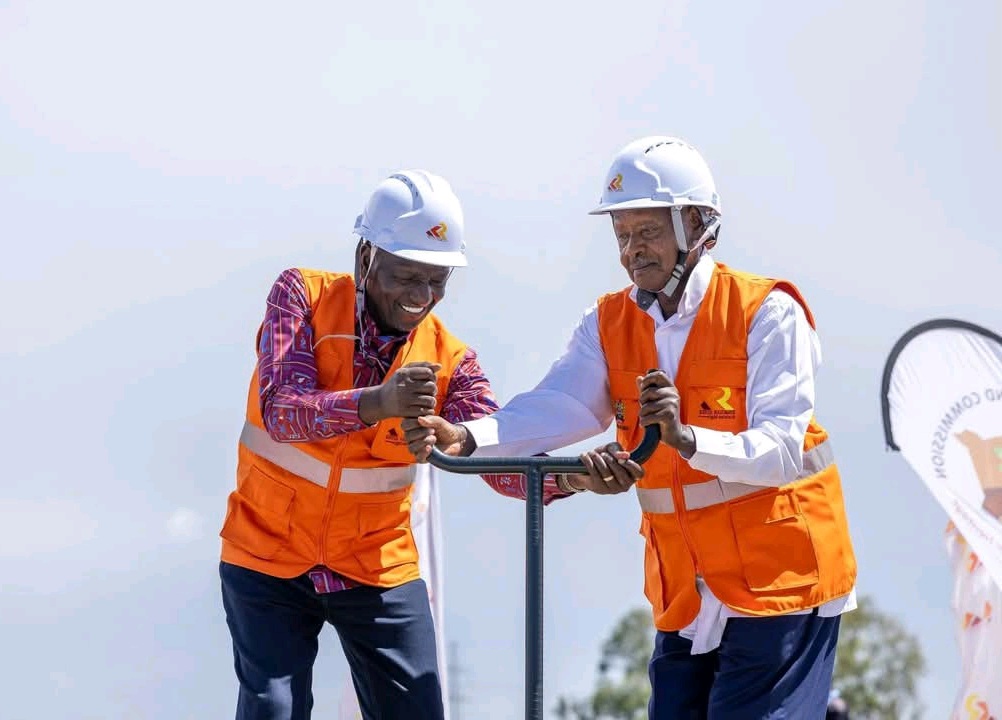
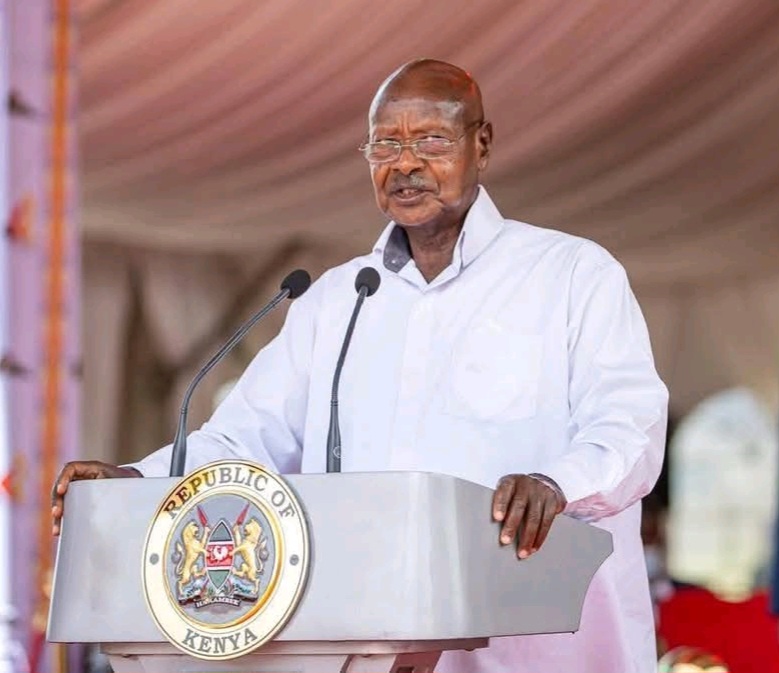
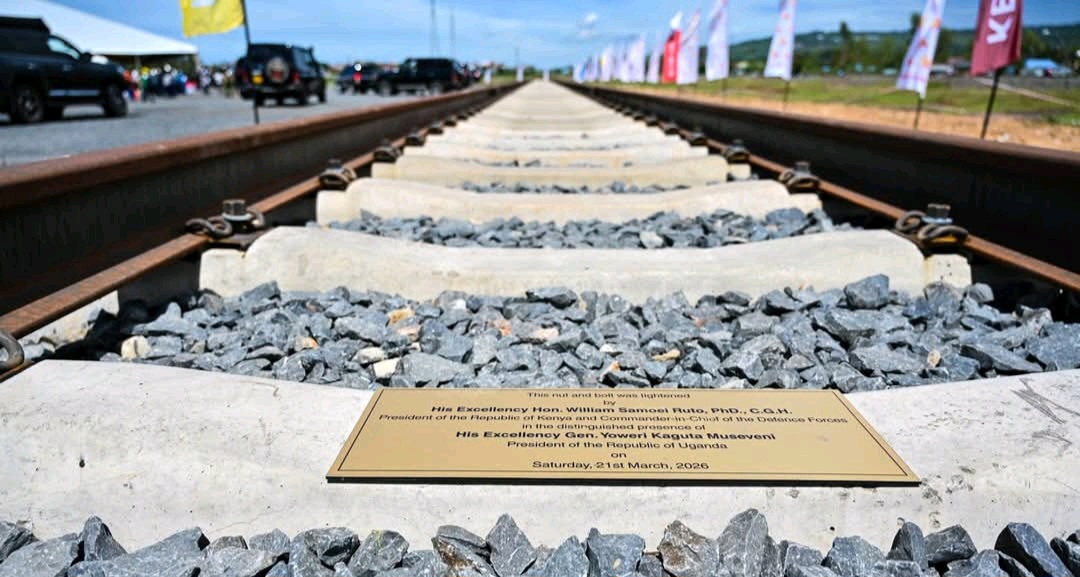
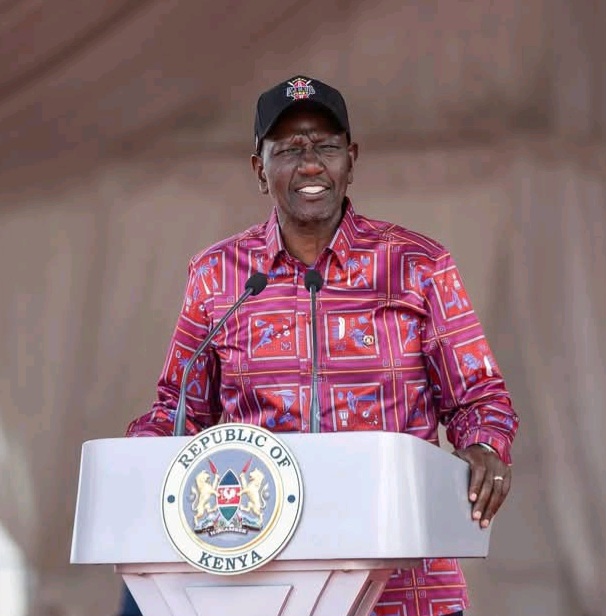
President William Ruto and his Ugandan counterpart Yoweri Museveni launched the construction of the Standard Gauge Railway (SGR) extension from Kisumu to Malaba, setting in motion what the two leaders described as a transformative regional infrastructure project expected to redefine trade, industrialization and economic integration across East and Central Africa.
Speaking at Kibos in Kisumu County, President Ruto traced the historical evolution of railway development in the region, linking the new project to the colonial-era Uganda Railway that shaped the economic geography of East Africa by connecting the coast to the hinterland.
He said that while the original railway facilitated extraction and control, the modern SGR is designed to unlock opportunity, drive industrial growth and anchor regional integration.
President Ruto noted that the new line forms part of a broader corridor stretching from Mombasa through Nairobi, Naivasha and Kisumu to Malaba, where it will connect to Uganda’s network and eventually link to the Democratic Republic of Congo, Rwanda, Burundi and South Sudan.
He said the government had already broken ground for the Naivasha–Kisumu segment and was now moving to complete the Kisumu–Malaba section, bringing Kenya closer to a seamless regional rail system approaching 1,000 kilometres within its borders.
The President emphasised that the railway will significantly reduce the cost and time of transporting goods, noting that logistics currently account for between 30 and 40 per cent of the cost of goods in the region.
Cargo that takes up to 100 hours to reach Kampala from Mombasa will be moved much faster once the line is complete, with freight costs projected to drop by at least 40 per cent.
The President said the shift of cargo from road to rail will also ease pressure on highways, reduce maintenance costs and improve efficiency in the transport sector.
Beyond transport, President Ruto outlined a broader economic vision anchored on the railway corridor, including the development of industrial parks, logistics hubs and special economic zones in key towns along the route such as Naivasha and Kisumu.
He said the line will facilitate movement of agricultural produce including tea, dairy, grains and fish from western Kenya to local and international markets, while also enabling manufacturers to access inputs more affordably and expand their reach.
The President said the project will create employment opportunities for young people in construction, logistics, manufacturing and services, while strengthening trade ties within the EAC region.