
Kenya tests Ebola outbreak response capacity in KNH simulation exercise
JUDY SHERI-PCO
Kenya is strengthening its preparedness against Ebola Virus Disease (EVD).
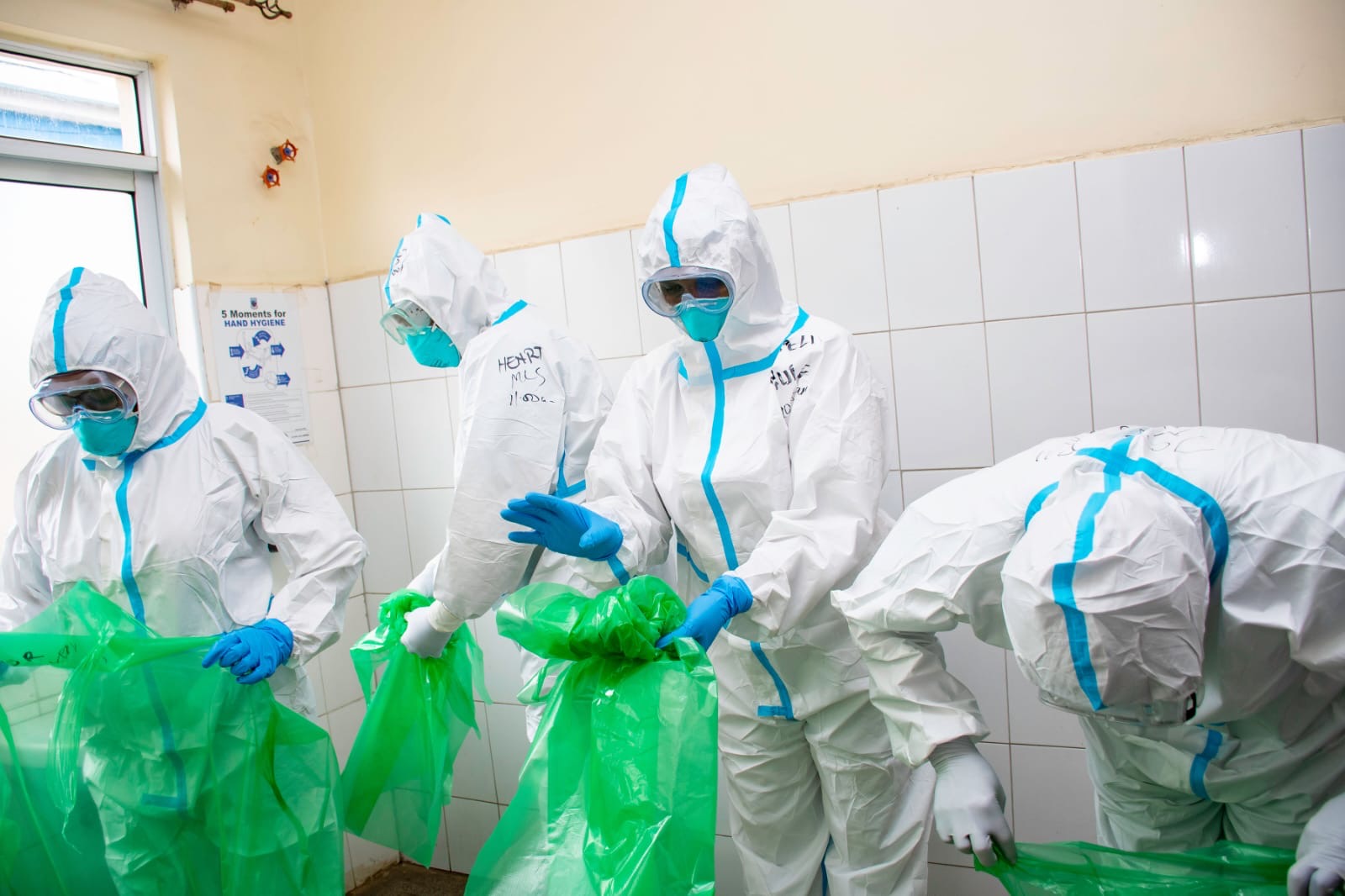
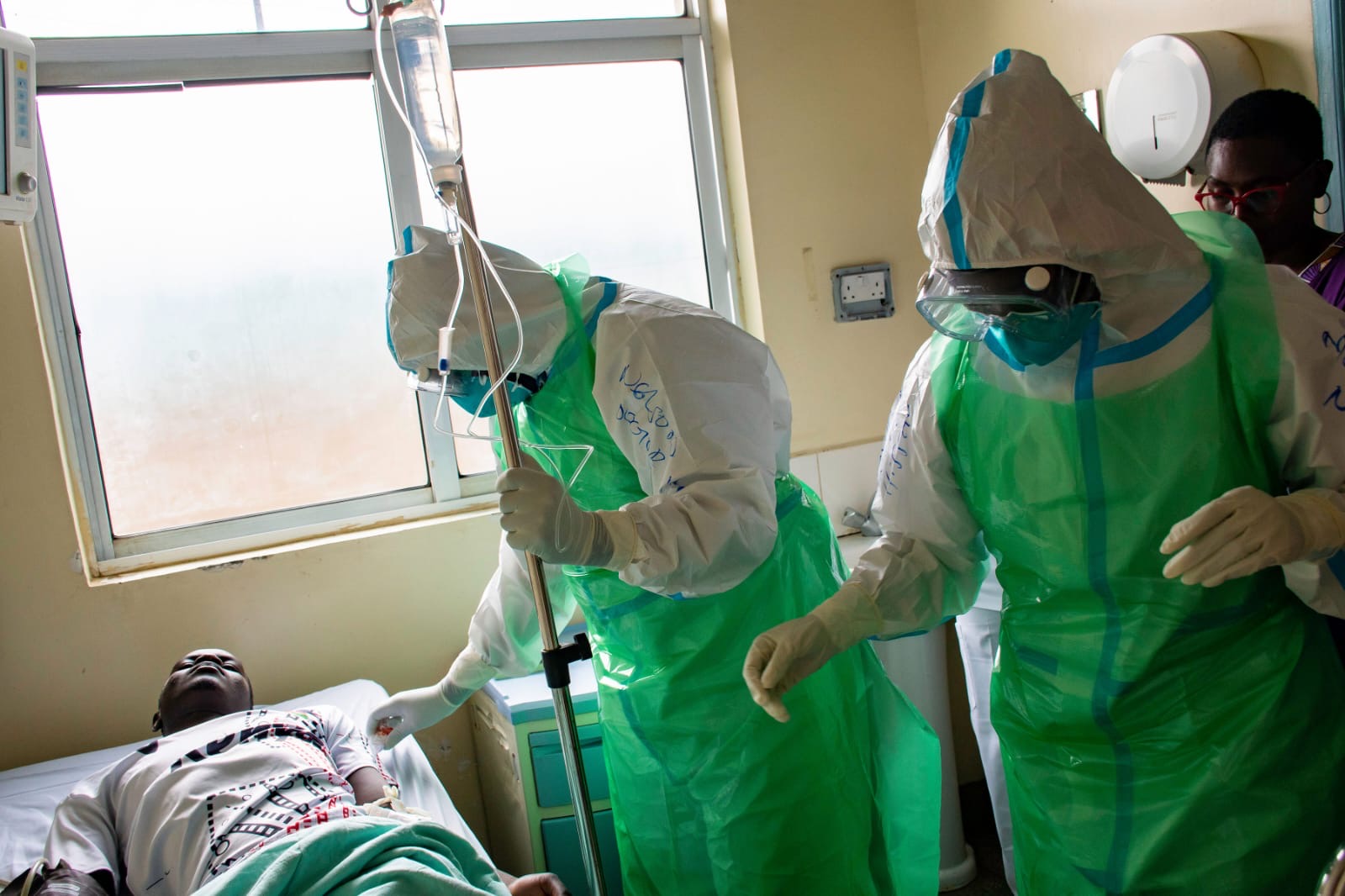
Recently, the Ministry of Health simulated Ebola patient handling and management at Kenyatta National Hospital (KNH). Led by the Kenya National Public Health Institute (KNPHI) in collaboration with partners including STRIDES and the World Health Organization (WHO), the simulation tested the country’s capacity to rapidly detect, isolate, investigate and manage suspected Ebola cases in a real-time emergency setting.
It comes amid heightened regional vigilance following ongoing Ebola outbreaks in parts of East and Central Africa, and forms part of Kenya’s broader strategy to ensure health systems remain prepared to respond to emerging public health threats.
Designed to mirror real-life conditions, the exercise assessed critical response functions including screening and triage, isolation procedures, laboratory testing, case management, surveillance, infection prevention and control, safe and dignified management of deaths, risk communication and decontamination procedures.
One scenario involved a patient presenting with symptoms consistent with Ebola Virus Disease who was later confirmed positive through laboratory testing.
The exercise followed the patient’s journey from initial screening and isolation to clinical management, surveillance investigations and eventual safe and dignified burial procedures after the patient succumbed to the disease.
A second scenario involved a patient initially identified as a suspected Ebola case but later diagnosed with malaria and safely discharged following clinical assessment and laboratory testing.
The scenario tested the ability of health workers to differentiate Ebola from other illnesses with similar symptoms while maintaining strict infection prevention and control measures.
The drill evaluated the effectiveness of Kenya’s Ebola screening criteria at healthcare facility entry points, the safe transfer of suspected patients arriving by ambulance, proper use of personal protective equipment, specimen collection and transportation, laboratory result communication and coordination among multidisciplinary response teams.
It also assessed the management of critically ill patients, documentation processes and the ability of healthcare workers to maintain infection prevention and control standards.