
Kenya strengthens health systems to curb emerging zoonotic threats
JUDY SHERI-PCO
The One Health approach, which integrates human, animal, and envi ronmental health, remains central to Kenya’s strategy for addressing emerging disease threats, particularly zoonotic diseases such as Rift Valley fever, anthrax, and brucellosis.
Building on this foundation, Kenya is strengthening prevention-focused health systems following the One Health Summit held in Lyon, France, from April 5 to 7, 2026.
The summit placed emphasis on sustainable financing, workforce capacity, and translating global commitments into practical action.
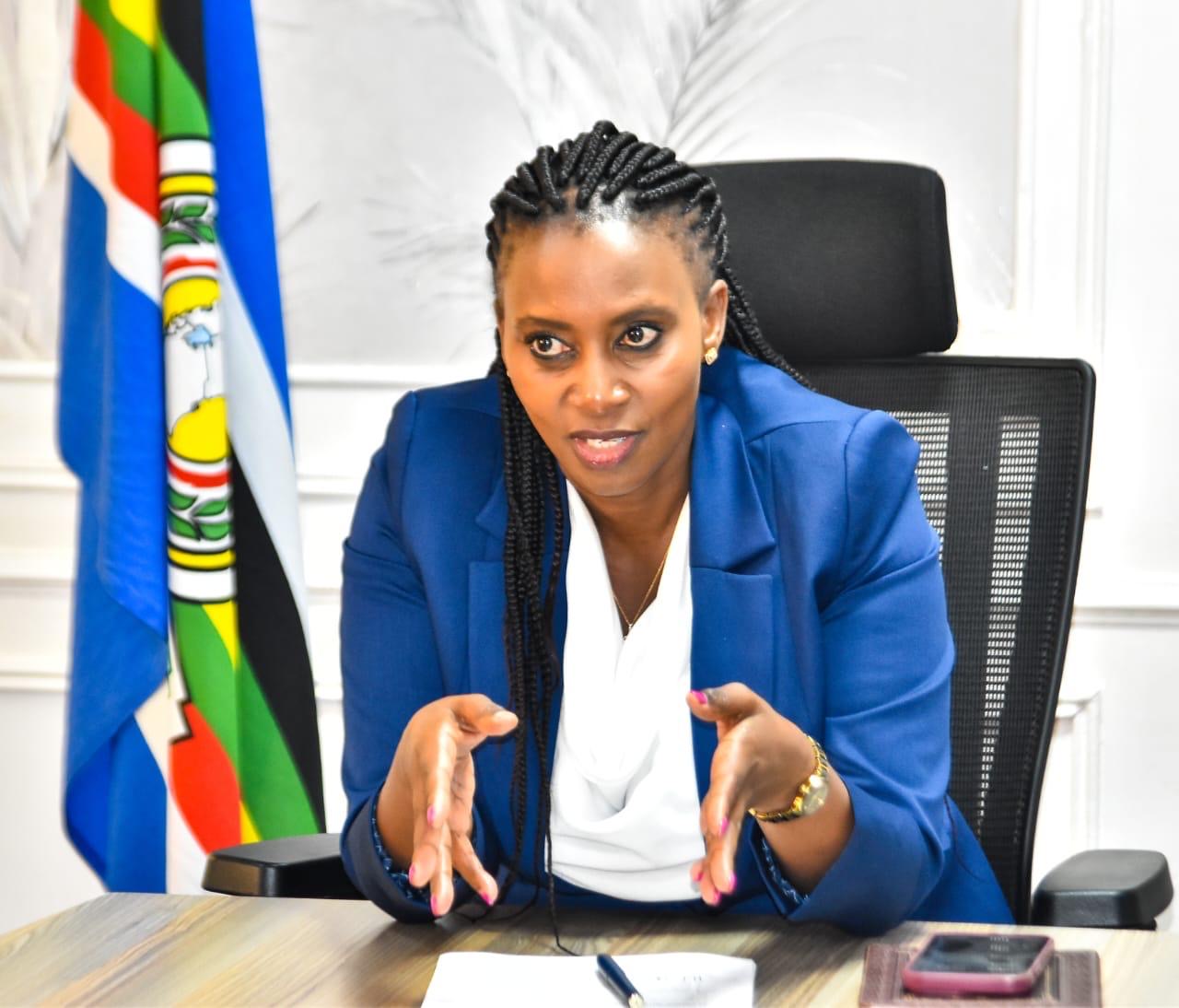
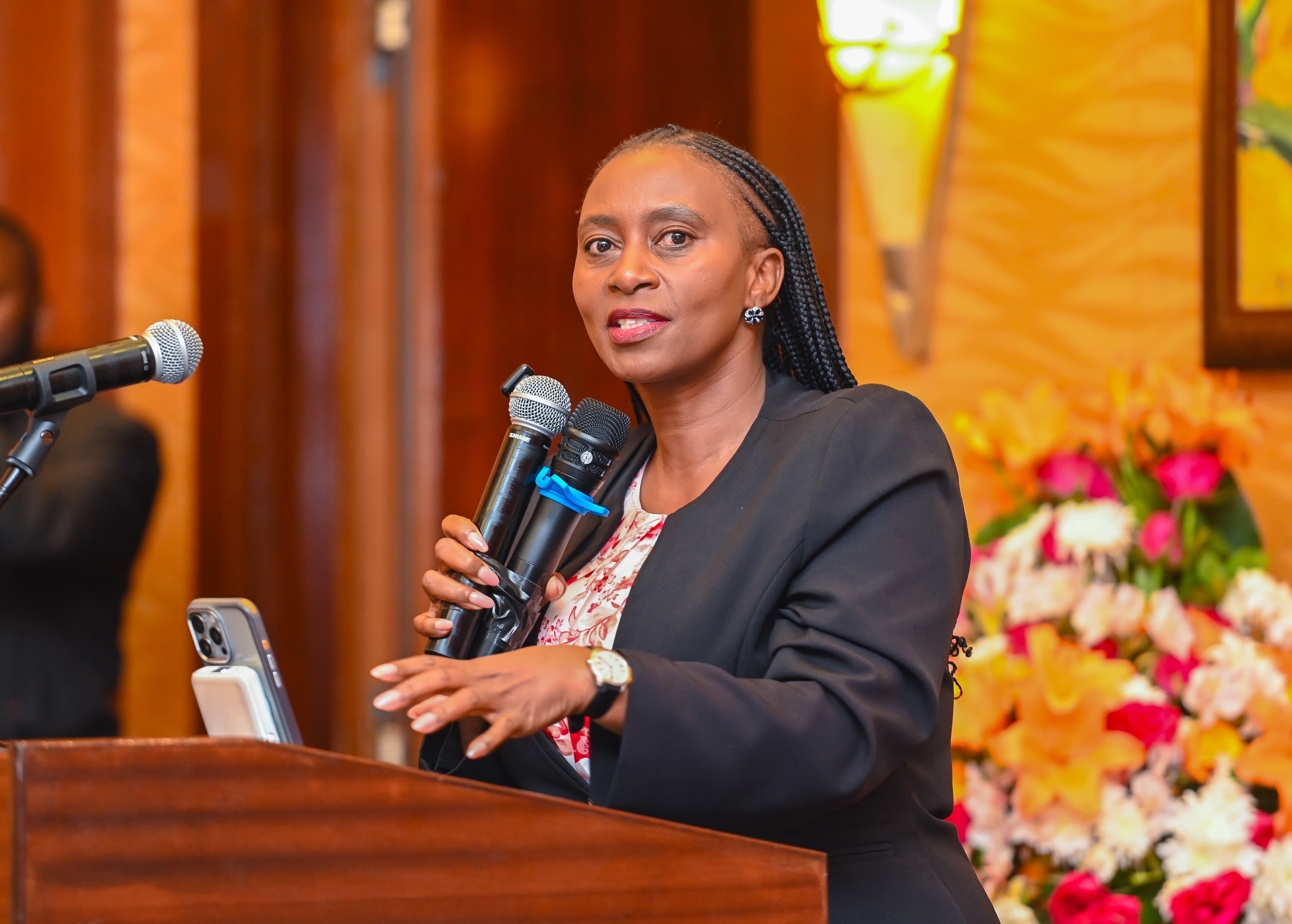
Principal Secretary for Public Health and Professional Standards, Mary Muthoni Muriuki, said the summit provided critical direction for managing climate-related health risks and zoonotic diseases, especially as Kenya advances its Universal Health Coverage agenda.
“Managing climate-related health risks and preventing zoonotic diseases requires sustainable domestic financ ing alongside proactive global partnerships. The commitments negotiated at the One Health Summit in France are vital as we advance our Universal Health Coverage goals,” she said.
Muriuki noted that the global frameworks discussed in Lyon will directly influence how Kenya’s institutions allocate resources toward prevention and resilience.
“The global frameworks dis cussed in Lyon directly impact how our institutions, such as the Social Health Authority, can pre-emptively allocate resources and build resilient safety nets, shifting our national focus from crisis response to long-term prevention,” she added.
Muriuki noted that effective implementation, however, will depend on strengthening the health workforce and ensuring investments reach the grassroots.
“We cannot operationalize the ‘One Health’ approach without recognizing the backbone of our healthcare system. The integrated surveillance strategies cham pioned in France rely entirely on strengthening our Human Resources for Health,” said the PS.
She underscored the need for investments that support coun ty-level systems and frontline health workers.
“For Kenya, the summit’s true importance lies in ensuring global policies translate into real investments that equip our county-level infrastructure and our community health promoters to detect and manage emerging threats right at the grassroots level,” Muriuki noted.
She observed that Kenya is also positioning itself to play a leading role in advancing regional health security, building on its status as a hub for surveillance and emergency response through institutions such as the Africa CDC Eastern Africa Regional Coordinating Centre and the WHO Regional Emergency Hub.
The outcomes of the Lyon summit are expected to inform engagements at the upcoming Africa Forward Summit in Nairobi, where global commitments will be translated into actionable programmes across the continent.
“The One Health Summit in Lyon sets the critical policy groundwork that will be directly actionable when global leaders convene in Nairobi for the Africa Forward Summit this May,” the Principal Secretary said.
She reaffirmed Kenya’s read iness to lead in implementing prevention strategies at the regional level.
“Kenya remains a committed partner and regional leader in advancing a unified, self-sus taining health security system. We are ready to lead the charge in translating these global pre vention strategies into concrete, continental action,” she said.