
Kenya overtakes Egypt as Africa’s top milk producer
By Joseph Kamolo (KNA)
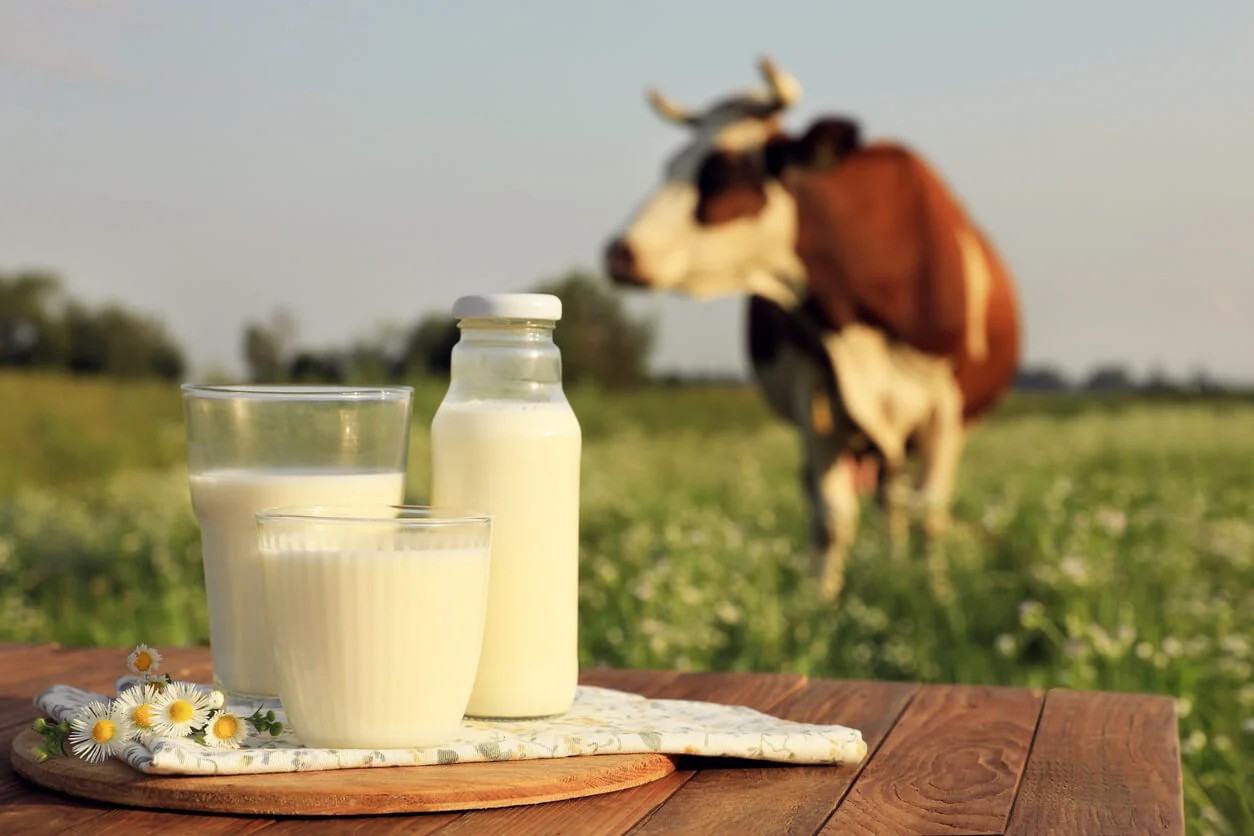
Kenya has overtaken Egypt to become Africa’s leading milk producer, with annual output rising from 4.6 billion litres to 5.4 billion litres, as Government reforms seek to transform livestock farming into a commercially driven, trillion-shilling industry.
Livestock Development Principal Secretary Jonathan Mueke, said the growth reflected a broader transformation in the livestock sector, which has historically sustained pastoralist communities while delivering limited economic returns.
Speaking during the fifth edition of the Kenya Meat Expo and Conference, Mueke said the Government is implementing measures to increase productivity, improve market access and raise incomes across the livestock value chain.
He said meat exports had increased by 87 per cent, from Sh8.9 billion to Sh16.4 billion, while dairy exports had grown from Sh4.9 billion to Sh14.2 billion.
“These are not just statistics. They represent livelihoods transformed, families lifted, and a sector finally realising its immense potential,” Mueke said.
He said the Government’s ambition was to grow the livestock and meat sector into a Sh1 trillion industry by focusing on genetics, disease control, traceability and aggregation.
Under the National Livestock Breeding Programme, the Kenya Animal Genetic Resources Centre (KAGRC) has distributed more than 1.7 million doses of bull semen and maintained a strategic reserve of over 724,000 straws.
Mueke said subsidised sexed semen is now available at Sh1,000, down from Sh8,000, following a Presidential directive, significantly lowering the cost of accessing improved genetics for smallholder farmers.
Kenya has also exported semen to Sierra Leone, Mauritius, Rwanda, Burundi and Nigeria, strengthening its position as a regional centre for animal genetics.
On disease control, Mueke said more than 18 million animals have been vaccinated against Foot and Mouth Disease (FMD) and Peste des Petits Ruminants (PPR) through the National Mass Livestock Vaccination Campaign launched in January 2025.
He said the Kenya Veterinary Vaccines Production Institute (KEVEVAPI) had manufactured more than 114 million vaccine doses since August 2022, with annual production increasing from 6.6 million to 41 million doses.
The PS said disease control is critical to protecting farmers’ livelihoods, strengthening food security and meeting international market requirements.
He said the Animal Identification and Traceability System (ANITRAC), which uses RFID tags to track livestock from birth to processing, would strengthen disease surveillance, curb illegal livestock movement and open access to premium export markets.
The system is currently being piloted on Government farms and private ranches as the country prepares for nationwide rollout.
Mueke said the Government is changing how pastoralists participate in the livestock economy through County Livestock Investment Companies (CLICs), which will enable them to aggregate animals, access finance and collectively negotiate better markets.
The Government has established a Sh5 billion Pastoralist Livestock Business Fund to support more than 350,000 pastoralists in 21 arid and semi-arid counties to establish and operate CLICs.
He said the initiative would enable pastoralists to capture more value across the livestock chain, from breeding and animal health to fattening, grading, processing, logistics and leather production.
Mueke said the four interventions—improved genetics, disease control, traceability and aggregation—were designed to work together to create a more productive, resilient and competitive livestock sector.
He cited the Livestock Insurance Programme under the DRIVE project, which has insured more than 330,000 pastoralist households and protected 2.7 million animals valued at Sh29.3 billion.
“The challenge is not just ownership of livestock. It is how we commercialise it,” Mueke said, reaffirming the Government’s commitment to building a livestock sector that creates wealth for farmers while positioning Kenya competitively in regional and international markets.