
Kemri steps up Ebola vigilance as country remains case-free Speaking after inspecting Port Health serv
SALOME ALWANDA, RODGERS OMONDI AND DAVID WANDETO
The Kenya Medical Research Institute (KEMRI) has intensified preparedness measures to support the country’s response to a possible Ebola outbreak, amid heightened surveillance and emergency response efforts by the government following reported cases in neighbouring countries.
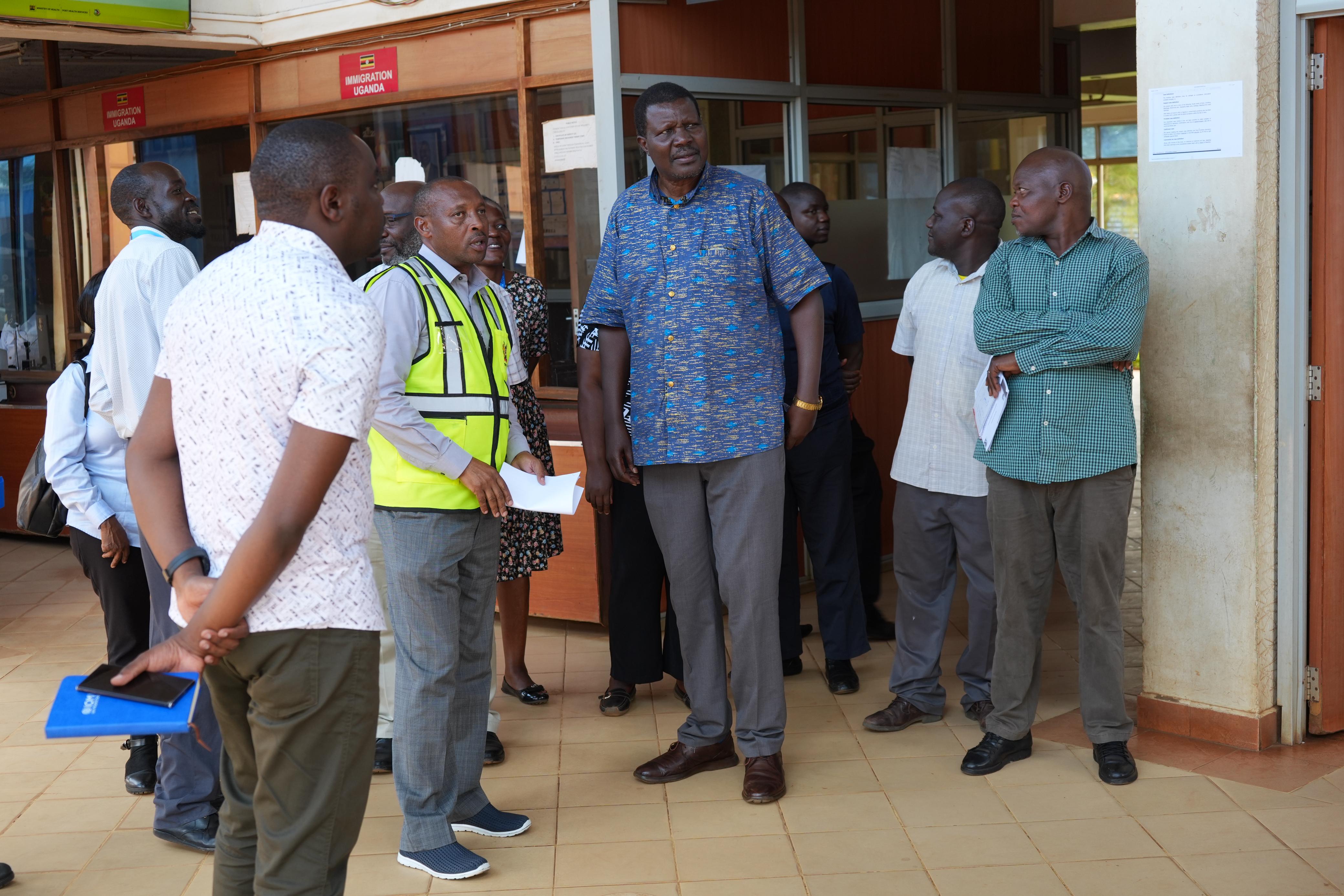
Speaking after inspecting Port Health services at the Busia border point and Alupe Sub-County Hospital, KEMRI Chief Executive Officer Prof. Elijah Songok said the institute has enhanced its readiness to support national response teams through strengthened laboratory testing, production of disinfectants and establishment of isolation facilities.
Prof. Songok said KEMRI has identified key intervention areas, including laboratory testing and confirmation of cases through its six high-level laboratories across the country.
“We have identified areas where KEMRI can help, including strengthening laboratory testing and confirmation. The virus is handled in BSL-3 laboratories located in Kilifi, Kericho, Kisumu and Nairobi,” he said.
He added that the institute is scaling up production of disinfectants for hospitals and port health facilities handling suspected cases, while also developing testing kits to bolster the country’s preparedness.
“We are ramping up production of disinfectants for hospitals and port health facilities handling suspected cases. We are also working on testing kits so that we are ready to handle any cases,” he said.
The KEMRI boss underscored the importance of well-equipped isolation units to contain outbreaks and protect healthcare workers and the public.
He said the institute is collaborating with stakeholders to establish hospitals with high-level containment wards and revealed that wards at Alupe Sub-County Hospital will be renovated to enhance preparedness.
Prof. Songok noted that lessons learned from previous disease outbreaks have significantly improved Kenya’s response capacity.
He called for enhanced screening at border points and porous entry routes, saying community awareness and multi-sectoral collaboration remain critical in preventing the spread of the disease.
“This requires a multi-sectoral approach. We need to improve communication and community awareness because the community plays a major role in fighting the pandemic,” he said.
He further proposed the establishment of dedicated isolation centres separate from hospitals to reduce stigma and minimise disruption of routine health services during outbreaks.
His remarks come as Public Health Principal Secretary Mary Muthoni assured Kenyans that no Ebola case has been reported in the country despite the heightened alert.
Speaking in Kerugoya, Muthoni said the government has intensified surveillance and emergency preparedness measures at border entry points to shield the country from a possible outbreak.
“We have not reported any Ebola case in Kenya, but the government remains on high alert and all necessary measures have been put in place to protect Kenyans,” she said.
The PS said the Ministry of Health, in collaboration with other government agencies, has activated strict screening and monitoring systems along Kenya’s borders.
She added that health workers across the country have been trained to detect, isolate and manage suspected Ebola cases, while rapid response teams remain on standby.
“Our health workers have been trained on how to handle any suspected Ebola case and response teams are ready to act immediately if any case is detected,” she said.
Muthoni noted that the Ministry is working closely with security agencies, immigration officers and county governments to strengthen surveillance and screening at all border entry points and major transit routes.
“The Ministry of Health is collaborating with other ministries and security agencies to strengthen surveillance and screening at our borders to prevent the spread of Ebola into the country,” she added.
“Good hygiene and clean environments are key in preventing the spread of diseases. Every Kenyan has a responsibility to help keep our communities safe,” she said.