

40 young agripreneurs gain skills to thrive in modern agribusiness across 47 counties
ABSALOM NAMWALO-KNA
The agriculture sector in Kenya remains fundamental in generating employment, boosting the economy, and addressing food insecurity.
However, the sector faces twin threats—climate change and an evolving agribusiness environment—which call for the adoption of technology across all value chains.
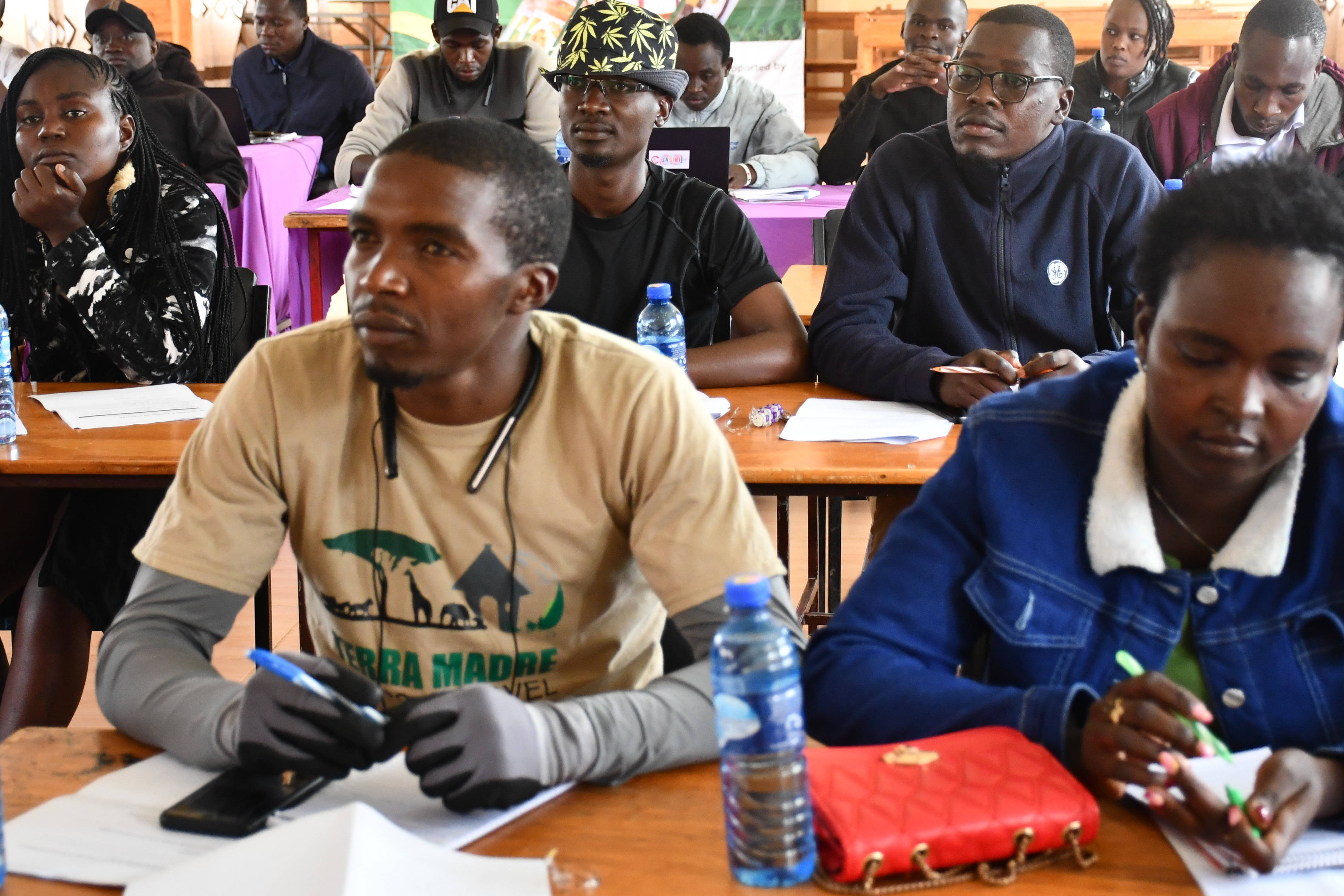
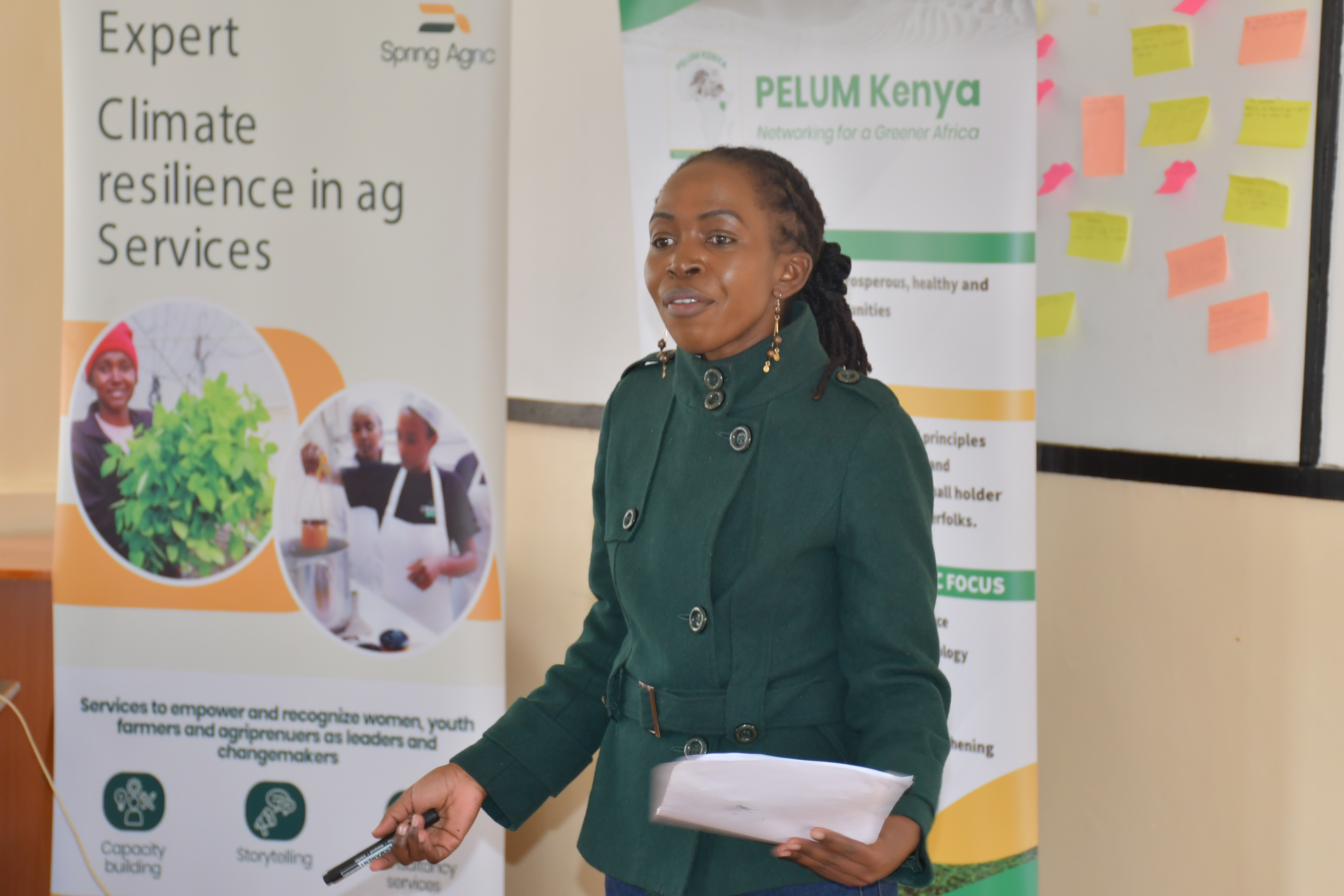
To address these challenges, over 40 passionate young agripreneurs drawn from all 47 counties have been equipped by the Participatory Ecological Land Use Management (PELUM) network with agroecology value chain skills and social media marketing techniques, positioning them to thrive in a dynamic agribusiness environment.
They were trained in agroecology, business proposal development, financial management, and general agripreneur skills to help them improve production and compete in modern markets.
The youths received practical and hands- on skills across key areas, including in poultry production, cultivation of African leafy vegetables (ALVs), biofertilizer production and in production of sustainable animal feed such as azolla-based feeds.
Collins Otieno, an agripreneur from Kajiado County, said he produces organic peanut butter and uses locally available materials.
He applauded PULEM Kenya for the training which, he said, will help him in marketing to improve his organic business.
“In this era most people are embracing digital platforms, and our coming here has helped us explore how we can package our messages to attract customers,” Otieno stated, adding that social media helps boost the visibility of products countrywide.
He urged the youth to use social media constructively to create opportunities and take advantage of the skills and knowledge gaine to start sustainable ventures along the agricultural value chain.
“Agriculture offers the largest scale and quickest wins for youth employment. That is why the government must offer enabling environment and financial support to the youth who are 65 per cent of its population.
"We knew that if we could support young people to become agri-preneurs they would build businesses that not only feed Africa but employ millions of people,” he added.
He added that agroecology offers a sustainable path forward, noting that food produced through ecological farming methods is free from harmful chemical residues and therefore safer for human consumption compared to produce grown through conventional inorganic practices.