
Ngong Road flyover brings relief to long-suffering city motorists
NELLY KOSGEY-PCO
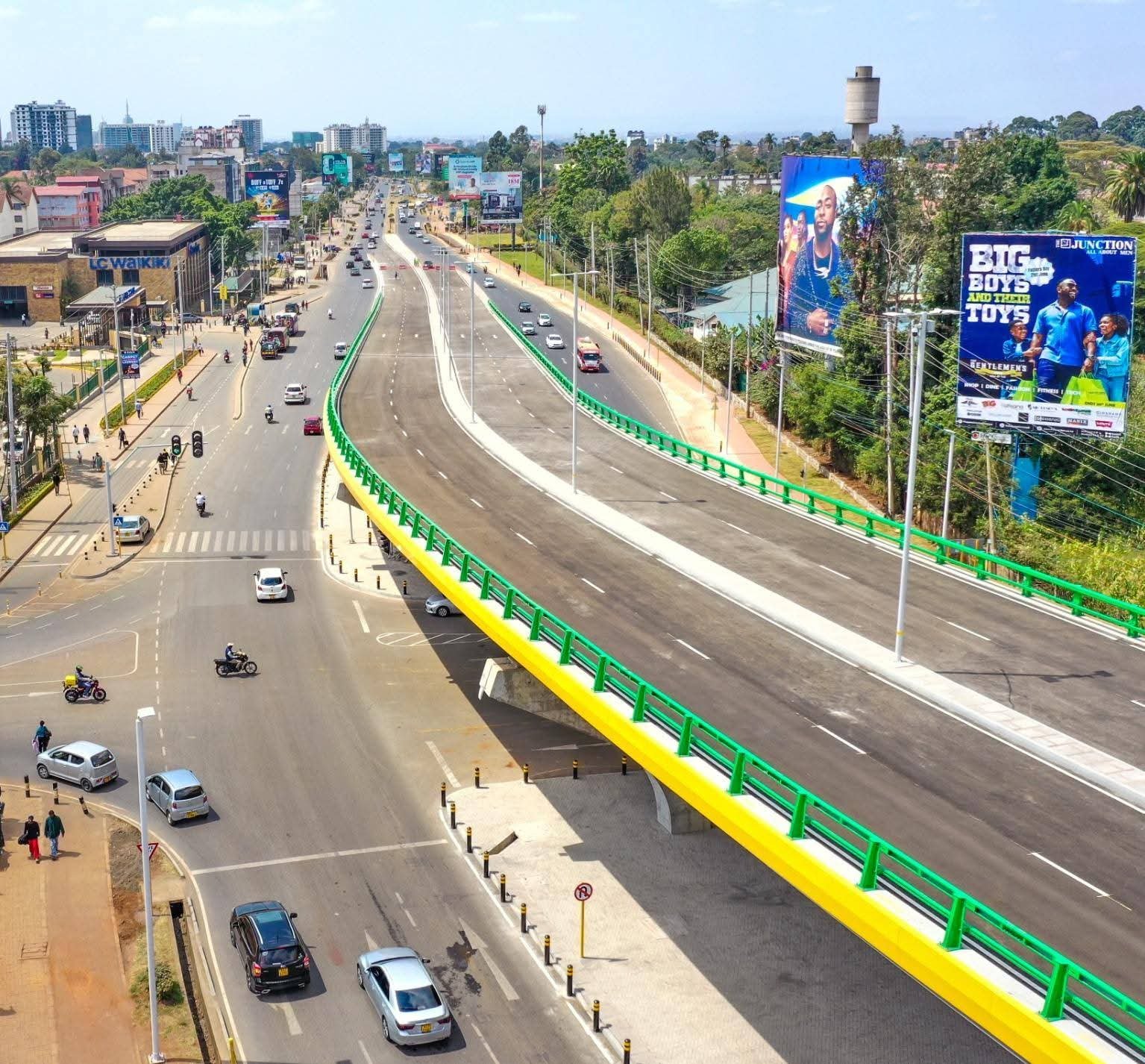
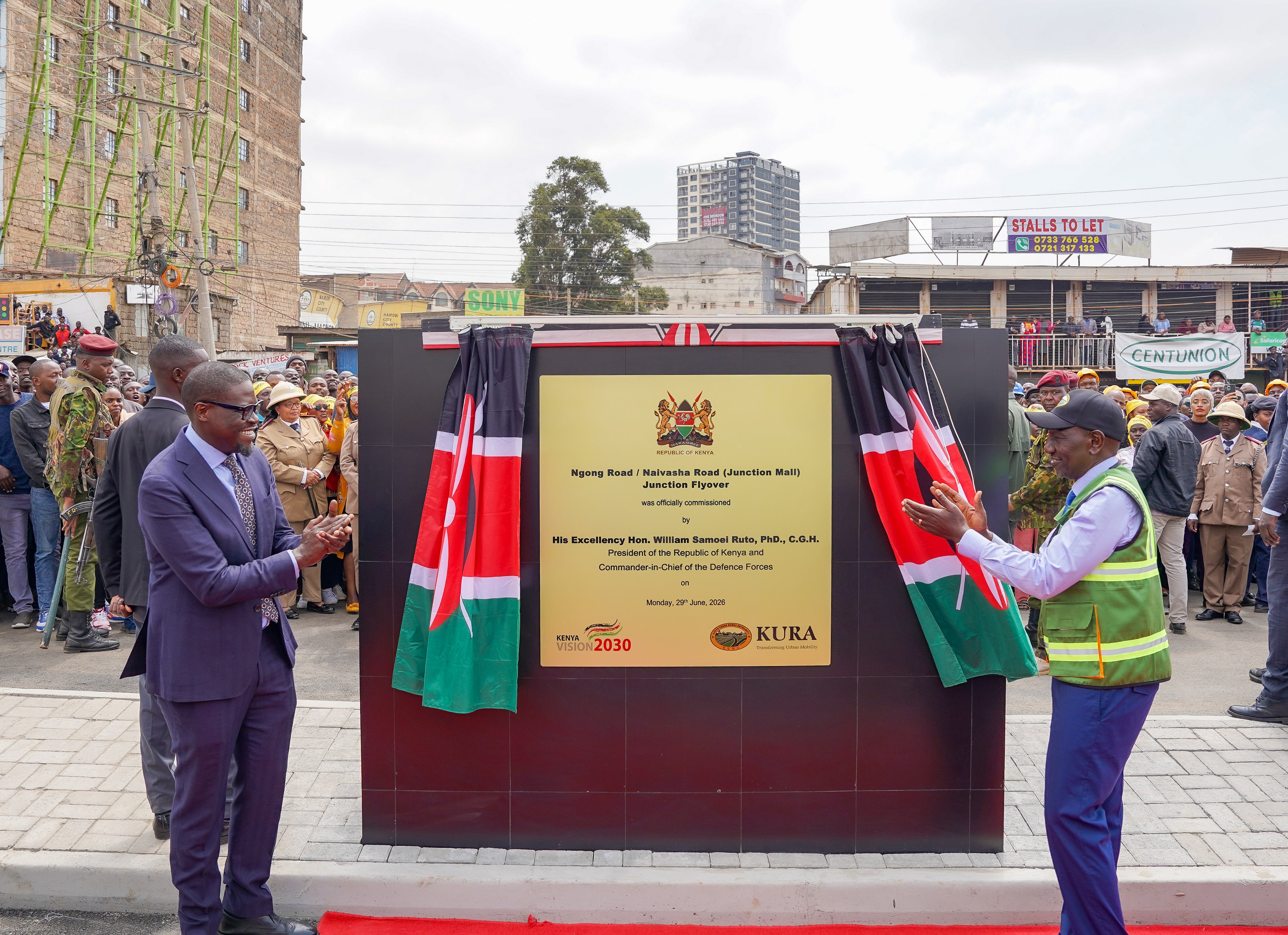
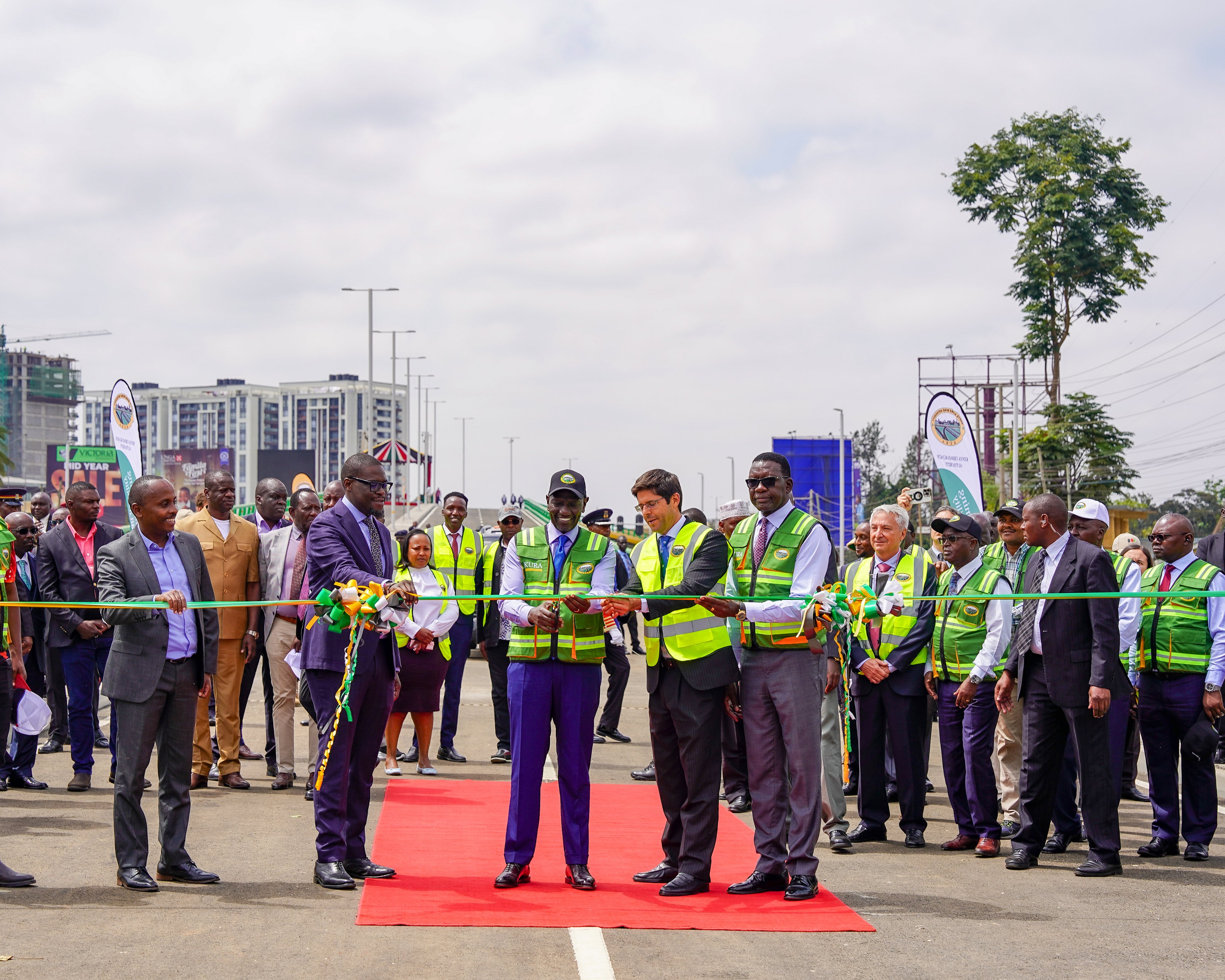
President William Ruto has commissioned the Sh3.8 billion Ngong Road–Naivasha Road Flyover, marking a significant milestone in Nairobi’s transport modernization.
The 820-metre flyover, implemented by the Kenya Urban Roads Authority (KURA), is designed to eliminate one of the city’s most notorious traffic bottlenecks, improving the movement of people and goods along one of Nairobi’s busiest transport corridors.
The project is expected to reduce traffic congestion by up to 60 per cent, significantly cutting travel times, lowering transport costs, and enhancing road safety.
For years, motorists have endured lengthy delays along this stretch, but the new flyover is expected to provide much-needed relief by easing congestion and improving traffic flow.
Speaking during the commissioning ceremony, President Ruto reaffirmed the Government’s commitment to developing transport infrastructure that supports economic growth and enhances the quality of life for residents.
“The opening of the Ngong Road–Naivasha Road Flyover is part of our broader plan to decongest Nairobi, improve connectivity, and build a modern capital city that can effectively serve as the gateway to Eastern Africa,” he said.
The President noted that the flyover is part of a wider urban transport improvement programme currently underway across Nairobi. Among the flagship projects is the Sh3 billion Upper Hill–Kenyatta Avenue Viaduct, which is now 60 per cent complete.
Other major undertakings include the Sh3.9 billion Talanta Sports City access roads and the KSh1.6 billion State House Road upgrade.
Preparations are also in progress for the dualling of the 23.5-kilometre Kiambu Road corridor, a US$231 million (approximately Sh30 billion) investment aimed at increasing capacity and improving traffic flow along one of the capital’s busiest routes.
To complement these physical expansions, the Government has embarked on the implementation of an Intelligent Transport System (ITS) covering more than 210 signalised junctions across Nairobi.
The three-phase programme, estimated at Sh45 billion, will introduce coordinated, real-time traffic management to improve flow, enhance safety and reduce delays.
“We are systematically addressing the transport challenges that have constrained Nairobi’s growth for decades. These investments will position the city as a modern, efficient and globally competitive capital,” President Ruto remarked.
Beyond new projects, Nairobi’s existing road network is also receiving attention.
More than 729 kilometres of roads are currently under routine maintenance, while several others are undergoing rehabilitation.
This comprehensive approach reflects one of the most ambitious road improvement programmes in the city’s history.
President Ruto highlighted the broader impact of these developments, noting that improved infrastructure will facilitate trade, attract investment and enhance Kenya’s preparedness to host major international events.