
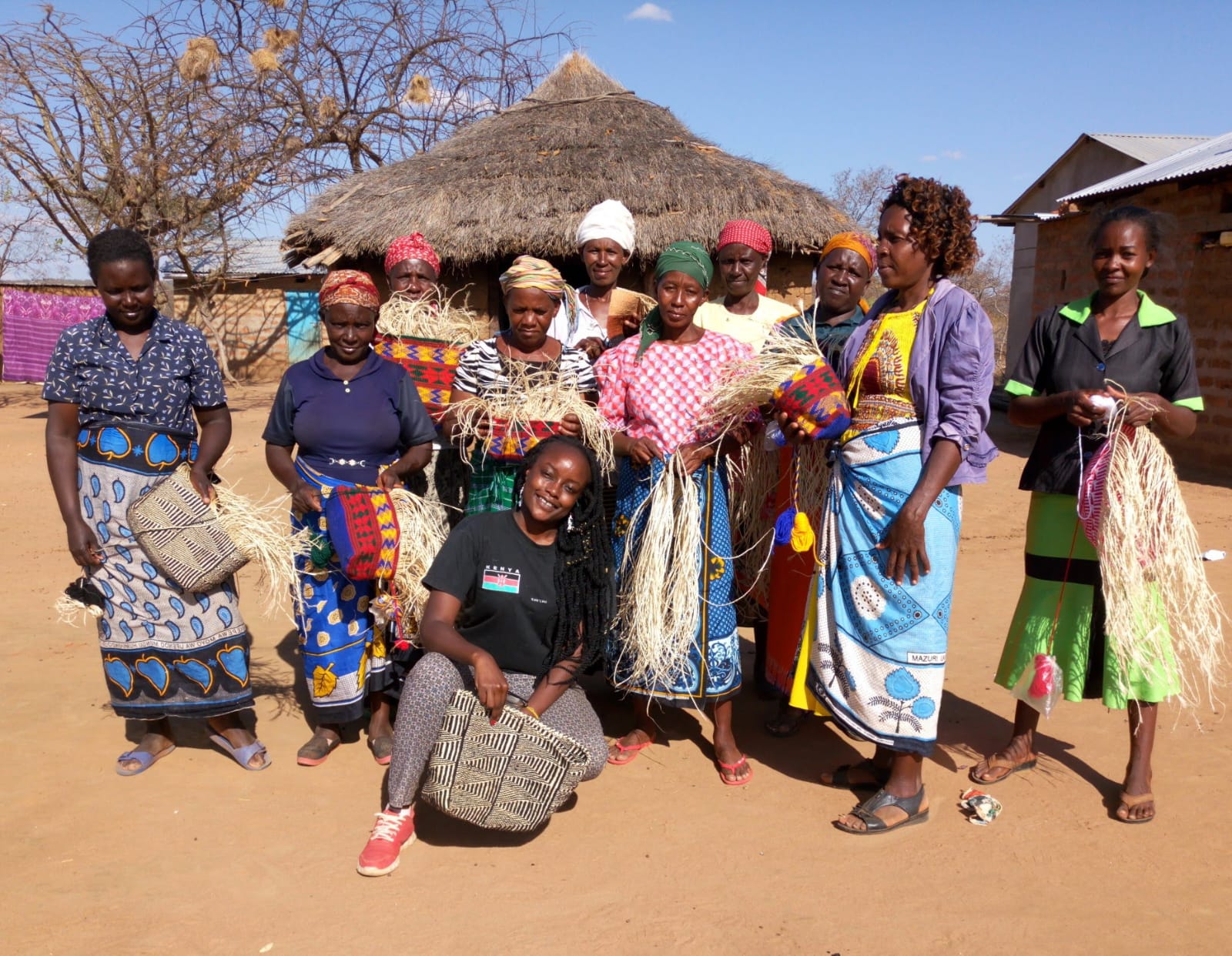
How telecommunications engineer turned traditional weaving into a thriving cultural enterprise
PAMELLA DOROTHY-KNA
When Sheila Atieno Onyango trained as a telecommunications engineer, she never imagined her career would eventually centre on traditional weaving, artisan networks and cultural preservation.
Today, however, the founder of Okapu is at the helm of a growing cultural enterprise that blends heritage, craftsmanship and community empowerment—demonstrating that traditional skills can be transformed into viable, modern livelihoods.
Her journey began in the renewable energy sector, where she worked on infrastructure projects across rural Kenya.
Part of her role involved engaging communities affected by transmission lines and energy developments, helping them understand technical projects in practical terms.
Looking back, Sheila says those experiences laid the foundation for her current work.
“That job prepared me for what I’m doing now. We were constantly interacting with rural communities, and that experience shaped how I connect with people today,” she says. The idea for Okapu, she says emerged unexpectedly.
While working in Nairobi, Sheila bought a kiondo bag from a roadside vendor near her office in Karen and shortly afterwards, a friend admired the bag and asked to buy it.
“I didn’t even think about making a profit. I just gave it to her and bought another one for myself,” she recalls.
Soon, more friends began requesting similar bags prompting her to start posting them on Instagram.
“I realized people loved them—not just the bags themselves, but how they were styled and presented,” she says.
What began as casual reselling soon evolved into something deeper.
Curious about the origins of the products, she started asking who actually made them.
The answer took her beyond Nairobi’s retail markets and into rural artisan communities.
A turning point came when a colleague revealed that her aunt was one of the women weaving the bags Sheila had been selling.
“That changed everything. I had been searching for the people who actually make them. In Nairobi, you mostly meet the sellers, not the source,” she says.
Sheila shifted from reselling to working directly with artisans, collaborating on designs while preserving traditional weaving techniques.