






Health advocates warn of tobacco industry tactics amid push for new law
VIOLET OTINDO-PCO
Public health advocates and government officials have intensified calls for the urgent enactment of the Tobacco Control Amendment Bill, 2024.
They have also raised concern over aggressive tactics by the tobacco industry aimed at derailing the proposed law.
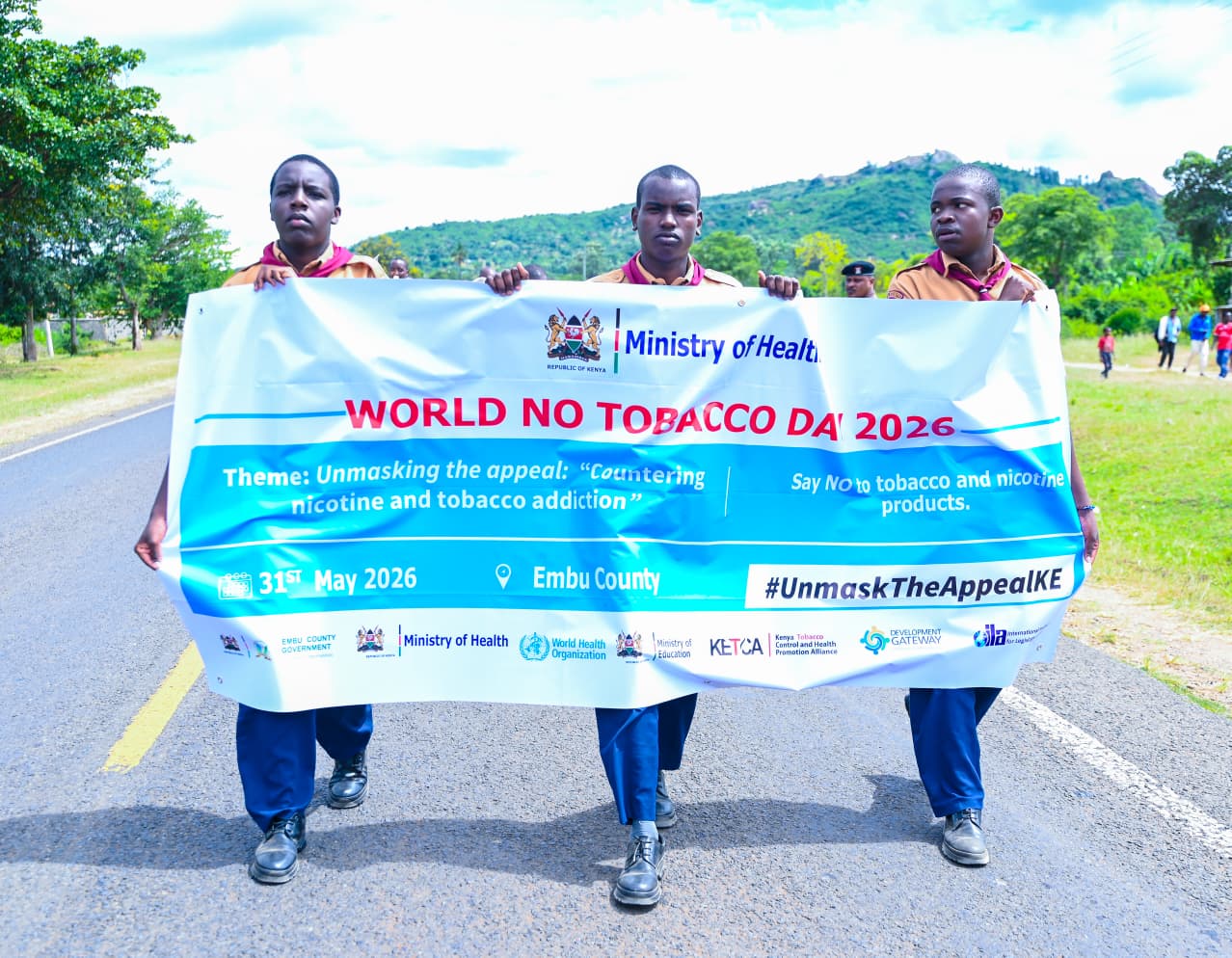
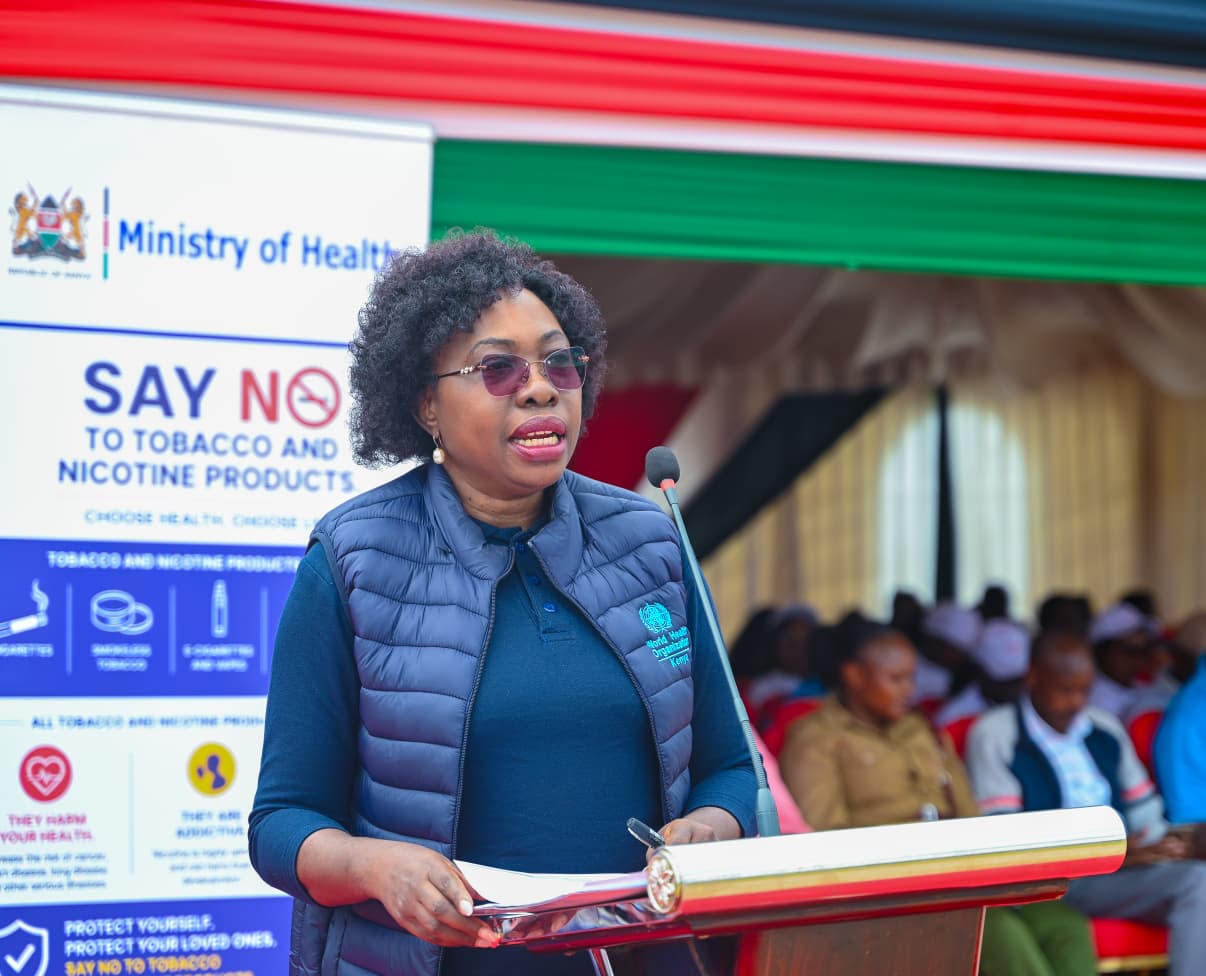
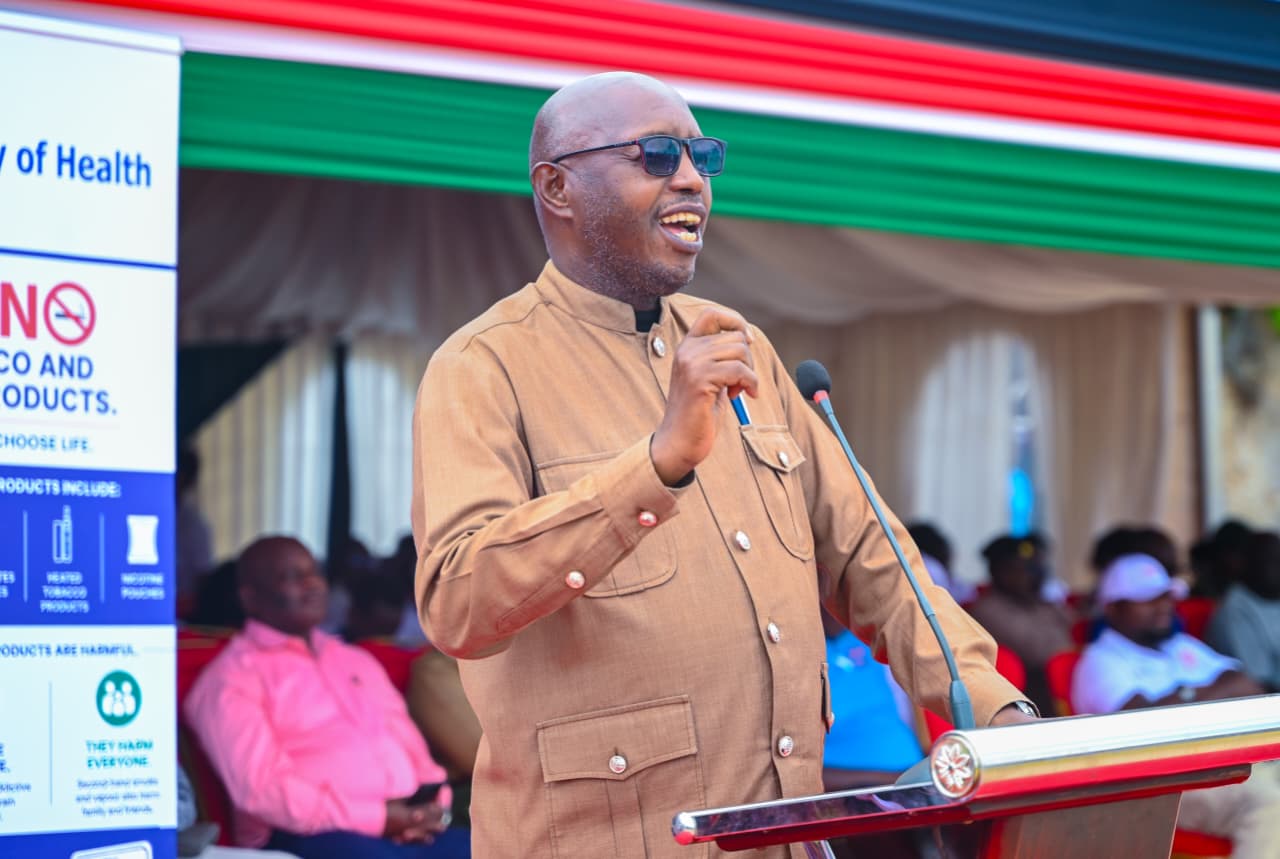
Speaking during the national celebrations for World No Tobacco Day 2026 held at Umau Grounds in Mbeere South Sub-County, Embu County, stakeholders warned that the industry is actively mobilising submissions through front groups to oppose the public health Bill.
The stakeholders were led by the Chairperson of the Kenya Tobacco Control Alliance (KETCA), Joel Gitali. They cautioned that such efforts threaten progress in tobacco control and public health protection.
For many caught in the web of dependency, the vulnerability begins long before a child ever sets foot in a retail shop.
Sharing a poignant personal story, Ann Mathu, the former vice chair of the NACADA Board, highlighted the profound power of parental influence at home.
“My very first exposure to tobacco and nicotine products came directly through my father. Parents play a pivotal key role in either protecting children from addictive substances or inadvertently exposing them, making awareness and responsibility within the household absolutely critical.
"When parents set the right example and actively guide their children, they serve as the first line of defense, helping to prevent early exposure and significantly reducing the long-term risk of addiction,” she said.
Ms. Mathu said even when homes are safe, the battlefield outside has fundamentally transformed.
This year’s global campaign theme, “Unmasking the Appeal: Exposing Industry Tactics on Tobacco and Nicotine Products,” highlights a coordinated resistance from business associations, social media campaigns, and third-party “experts” trying to paint lifesaving reforms as anti-business.
Tobacco control advocates note that they will now need to organize and mobilize just as strongly on their side to ensure public health voices are equally well represented.
“Unmasking these commercial appeals is critical to preventing the next generation from falling into addiction. Advocates must remain vigilant in exposing the tactics used to make nicotine and tobacco products seem acceptable, particularly to children and young people, while ensuring communities understand the real risks of addiction and harm,” Gitali stated.
He further noted that devolved units continue to be a critical arm in this work, as closer collaboration with county governments and community structures will bring tobacco control efforts directly to the grassroots.
He called upon the Ministry of Health to prioritize the Tobacco Control Fund and strengthen support to counties, noting that adequate and sustainable financing is essential to expand prevention programs, enforce tobacco control laws, support cessation services, and protect local communities.