Gov't commissions key animal feed facility to strengthen dairy industry
ANITA OMWENGA-KNA
Kenya has commissioned an animal feed manufacturing facility in a move seen as a key step toward doubling national milk production, strengthening feed standards, and positioning the country as a regional livestock powerhouse.
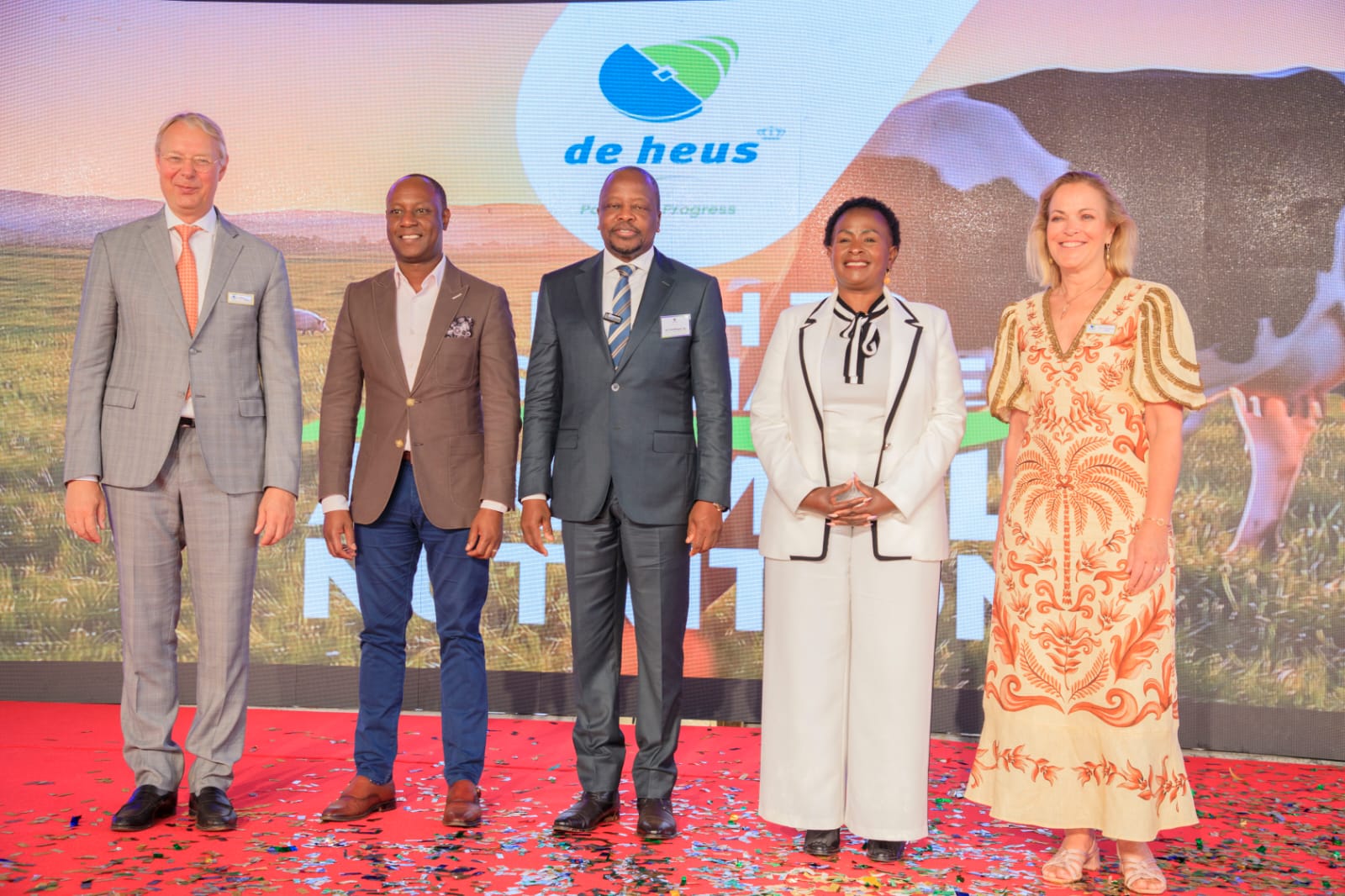
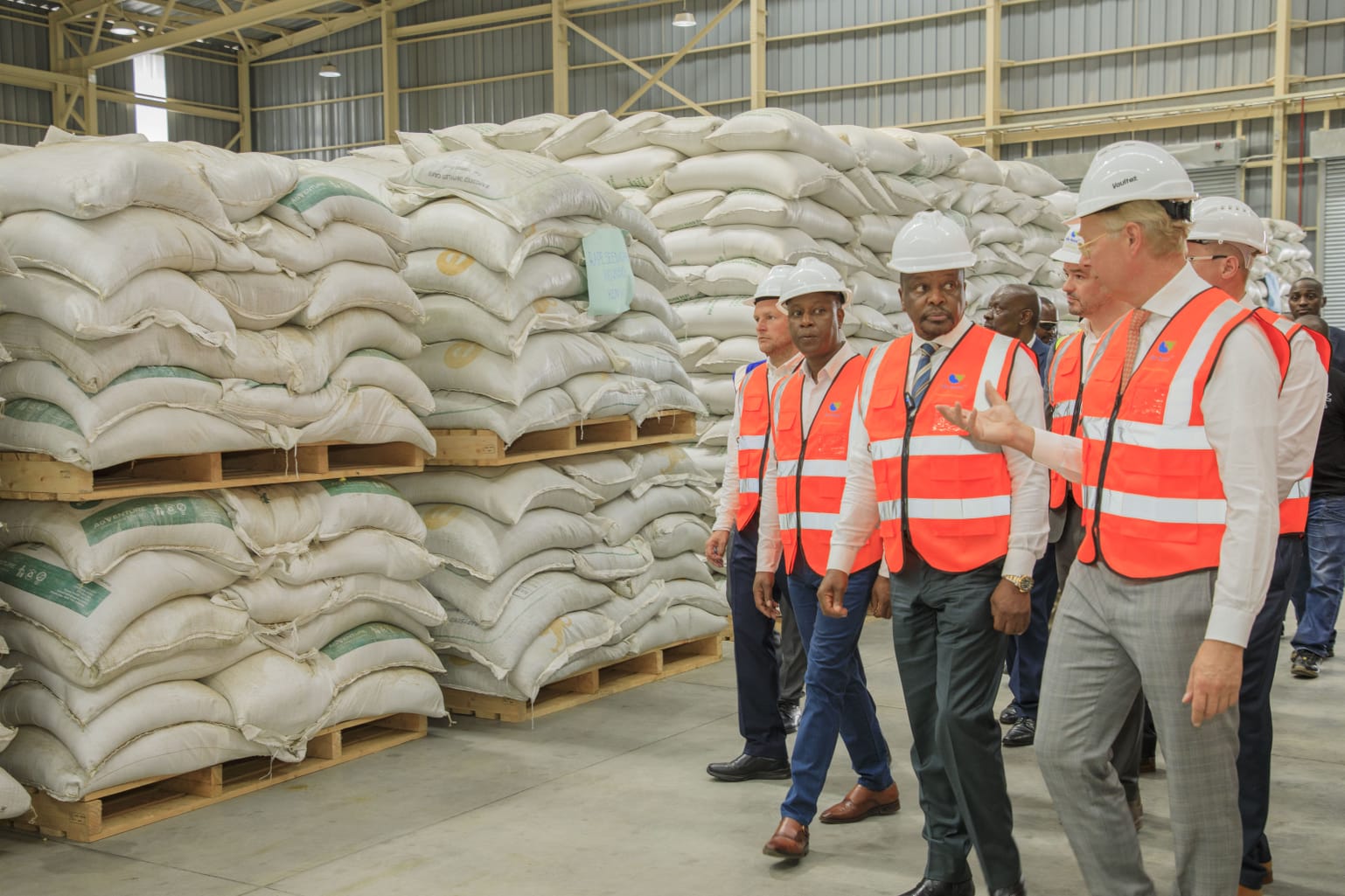
The Sh3 billion De Heus Animal Nutrition factory in Athi River was officially commissioned by Cabinet Secretary for Agriculture and Livestock Development Mutahi Kagwe, who described the investment as part of a broader structural reform in Kenya’s livestock economy.
The commissioning comes at a time when Kenya’s feed industry faces increased scrutiny.
Farmers have raised concerns over inconsistent feed formulations, fluctuating performance from batch to batch, and over-diluted products that compromise productivity.
Speaking during the launch, Kagwe said the future of Kenya’s dairy and meat sector lies in efficiency, nutrition, genetics, animal health, and, most critically, quality feed.
“Today is not just about commissioning a factory. It is about transforming Kenya’s livestock economy,” said Kagwe.
“We will not achieve this by merely increasing the number of cows. We will achieve it by increasing productivity per cow,” he said.
The CS said that Kenya has set a clear target of doubling annual milk production from Sh 5.2 billion litres to Sh10 billion litres while also positioning itself to become a net exporter of live animals and meat.
He noted that Government reforms are running parallel to private-sector investment.
Under the Land Commercialization Initiative, Kenya is unlocking government land for structured commercial production of yellow maize and soybeans, which are key ingredients in feed manufacturing, while integrating small-scale farmers through contract farming models.
“Feed security must be localized. Kenya must reduce dependence on imports of key feed ingredients,” Kagwe said.
Feed accounts for up to 60–70 percent of livestock production costs, making quality and consistency critical to farm profitability.
Kagwe announced that the government will strengthen enforcement and implement a feed quality index to protect farmers from substandard formulations.
“Over-diluted feed and substandard formulations designed to maximize profits at the expense of productivity will not be tolerated. Farmers must get value for their money,” he said.
He emphasized that export markets demand strict standards and that Kenya’s competitiveness in milk powder, meat, and live animal exports will depend heavily on feed quality and animal health.
He noted that the combined push for stricter feed standards, localized raw material production, laboratory-backed consistency, and farmer advisory support signals a structural shift toward efficiency and quality-driven growth.
“Facilities such as this create jobs, stimulate demand for raw materials, empower youth in agribusiness, strengthen rural economies, and build investor confidence in Kenya,” he said.