
Government-backed programme breathes new life into Vihiga’s ailing coffee sector
CRISPINUS IVAN AND WINSTAR JAIKA-KNA
For decades, coffee was the pride of many households in Vihiga County. Income from the crop paid school fees, built homes and sustained families, making it one of the region’s most dependable sources of livelihood.
However, as global coffee prices declined in the 1990s and early 2000s, thousands of farmers uprooted their coffee trees or abandoned their plantations altogether, convinced that the crop no longer offered meaningful economic returns.
Today, that narrative is changing. Across the county, green coffee seedlings are replacing abandoned bushes, cooperative societies are regaining members, and farmers are once again viewing coffee as a reliable pathway to prosperity.
The transformation is being driven by the National Coffee Sector Revitalisation Programme, a collaborative initiative involving the national government, Vihiga County Government, the New Kenya Planters Cooperative Union (New KPCU), the Coffee Research Institute (CRI) and local cooperative societies.
The programme seeks to restore coffee production through the distribution of certified seedlings, farmer training, enhanced extension services and improved access to markets.
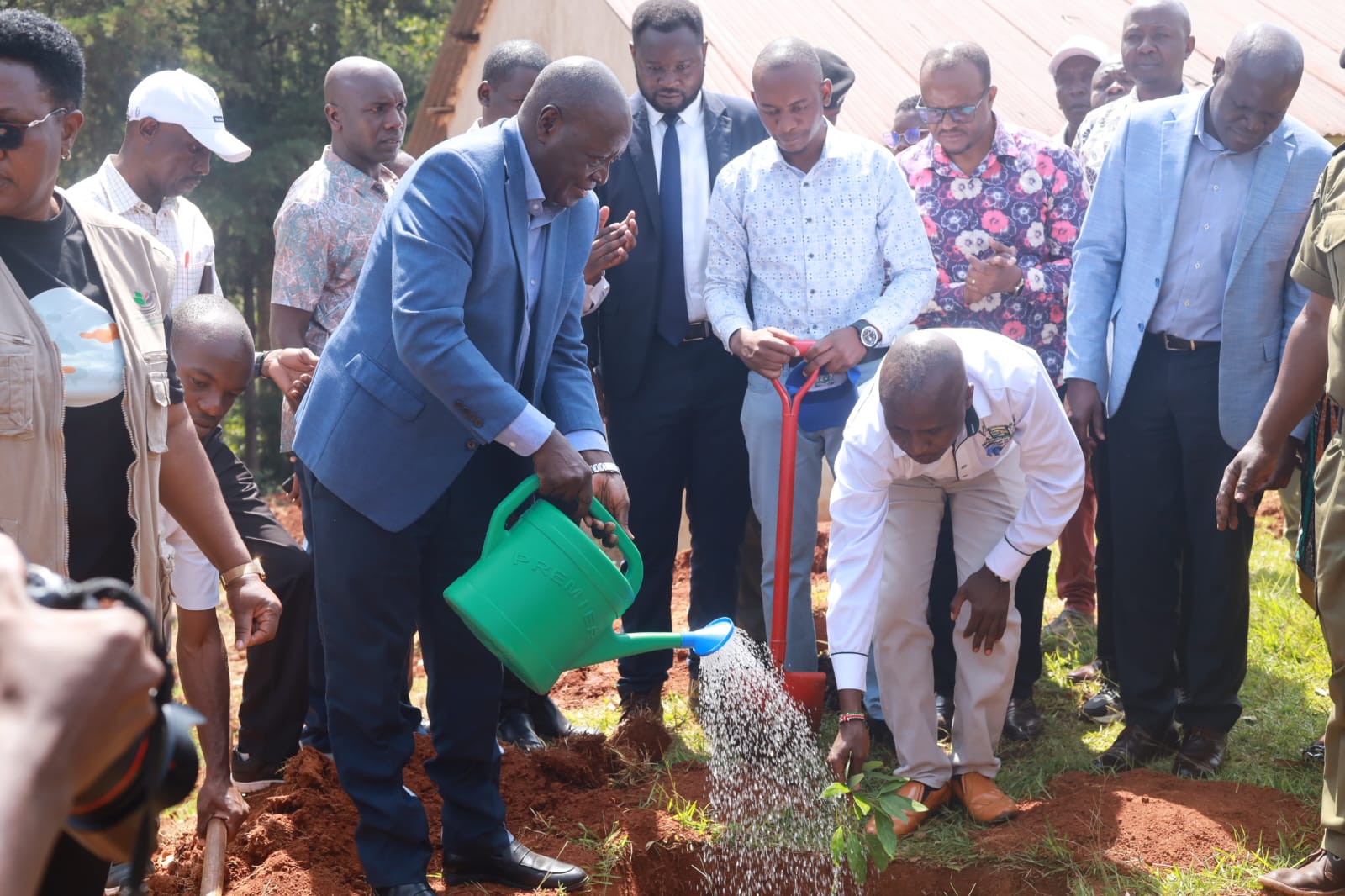
Speaking during a Coffee Sector Revitalisation Programme forum in Vihiga, Governor Dr Wilber Ottichilo reaffirmed the county government’s commitment to restoring coffee farming as a key economic activity.
“Our farmers deserve a profitable crop. We will continue distributing certified seedlings, strengthening cooperative societies and expanding extension services so that every interested farmer can benefit from the coffee revival programme,” the Governor said.
Kenya remains one of the world’s leading producers of premium Arabica coffee, with the sector supporting more than six million people directly and indirectly.
Smallholder farmers account for nearly 70 per cent of the country’s coffee production, producing beans renowned for their superior quality and distinctive flavour.
Although Vihiga was once an important coffee-growing area, declining prices, crop diseases, changing weather patterns and financial constraints led many farmers to abandon the crop.
The renewed government support and improved farm-gate prices are now reversing that trend. At Wamondo Coffee Growers Society Limited, established in 1955, the signs of recovery are becoming increasingly evident.
Chairman Gibson Atsiaya says the cooperative is steadily rebuilding after years of declining production and dwindling membership. “Many farmers abandoned coffee when prices fell and production became difficult.
Today coffee has become profitable again, and we are encouraging farmers to return to the crop,” he said.
To promote transparency, Atsiaya explained that new members pay a registration fee of Sh500 and purchase shares worth Sh1,500, with all payments deposited directly into the Cooperative Bank through an official pay bill number.
He dismissed claims that the money is used to purchase seedlings, explaining that certified coffee seedlings are supplied free of charge through government programmes and New KPCU before being distributed to registered farmers.
Beyond distributing seedlings, the cooperative provides farmers with training on land preparation, manure application, proper planting techniques, crop management and post-harvest handling.
Farmers also undertake exchange visits to successful coffee-growing regions to learn modern production practices. The renewed enthusiasm has been fuelled by a sharp rise in coffee prices.
Where farmers previously earned about Sh45 per kilogram, they are now receiving approximately Sh185 per kilogram, making coffee one of the most attractive cash crops for many households.
Vihiga Sub-County Agriculture Officer Maurine Nkatha says the county is encouraging farmers to plant improved coffee varieties such as Ruiru 11 and Batian, which are high-yielding and resistant to major diseases.
She noted that the varieties are well suited to Vihiga’s small land holdings, where most farmers cultivate less than half an acre.