
Early detection gaps leave livestock farmers exposed to disease outbreaks
JOSEPH NG’ANG’A-KNA
Livestock diseases continue to pose a significant threat to farmers’ livelihoods, food security, and public health in Kenya.
Diseases such as Foot-and-Mouth, Peste des Petits Ruminants (PPR), and parasitic infections reduce productivity, restrict market access, and, in some cases, can spread from animals to humans, causing zoonotic outbreaks.
However, many smallscale livestock producers and pastoralist farmers lack access to affordable and reliable diagnostic tools necessary for early detection, limiting their ability to respond effectively.
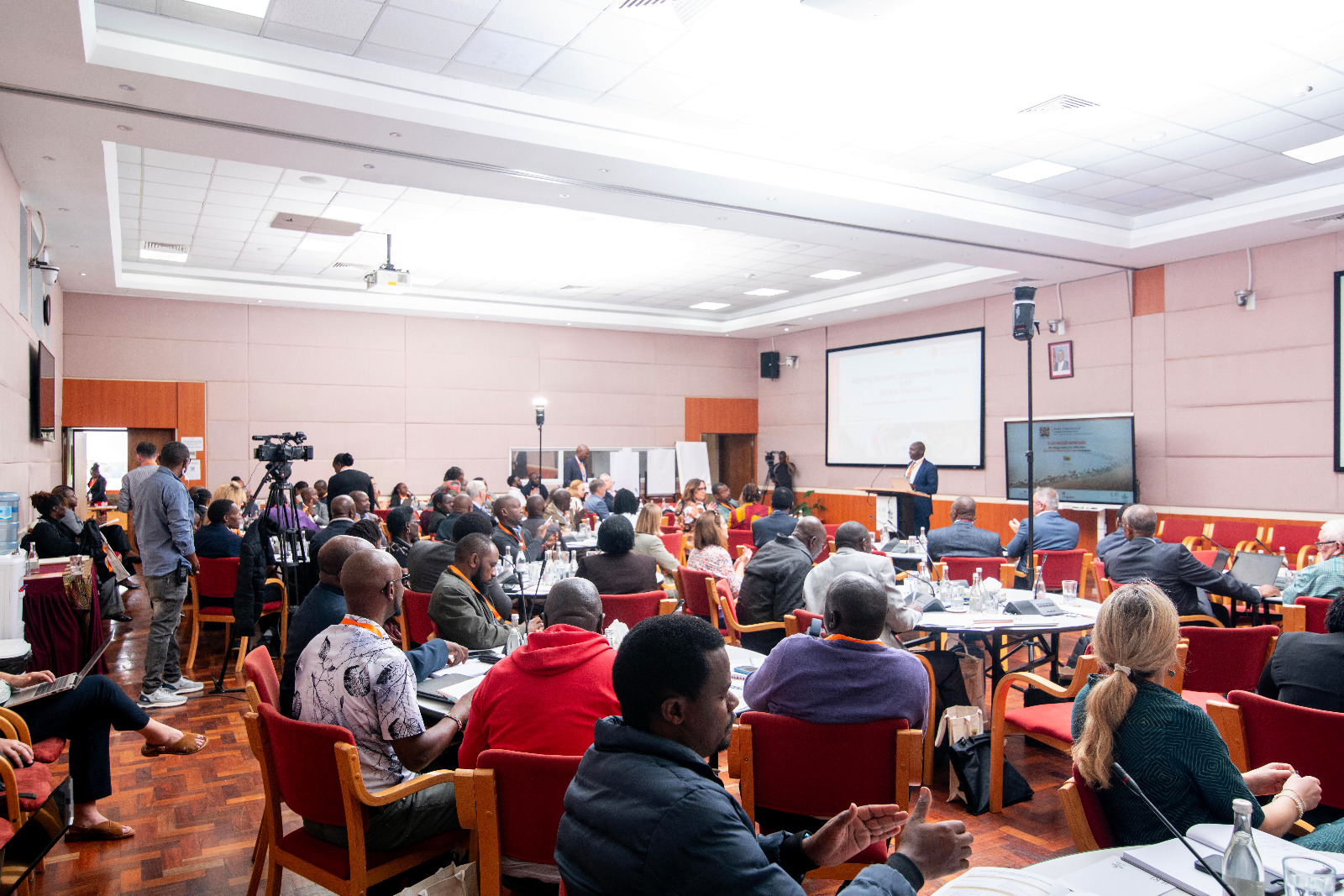
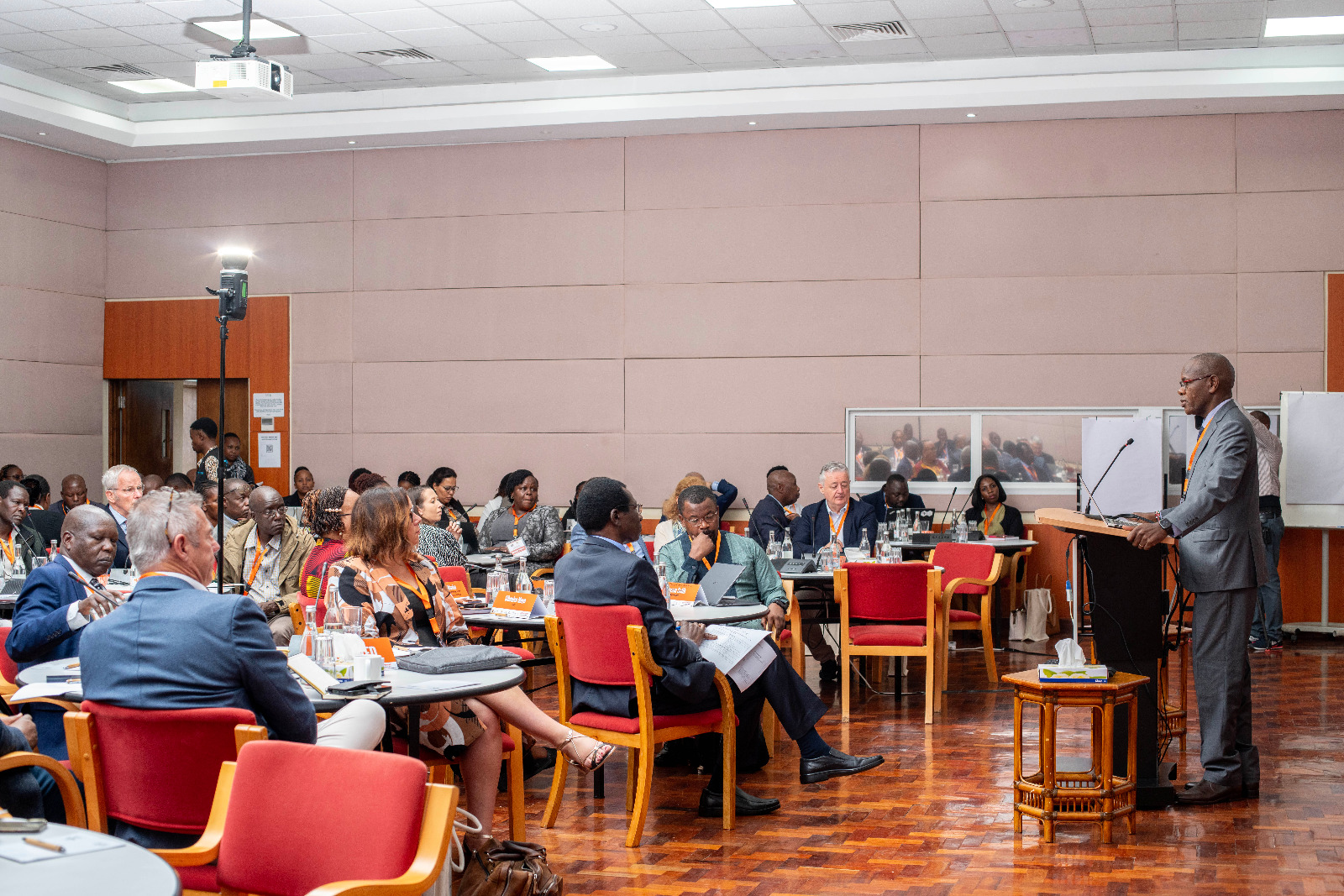
In response to this challenge, a high-level workshop on improving livestock disease detection was convened in Nairobi, bringing together government officials, veterinarians, researchers, development partners, private sector actors and farmer representatives.
The meeting focused on practical solutions to make disease detection more accessible, affordable, and effective for livestock keepers across Kenya.
State Department for Livestock Development Principal Secretary Jonathan Mueke said that Kenya needs to strengthen its animal health systems by paying close attention to one of the most important pillars of veterinary service delivery, that is diagnostic capacity.
“Strong veterinary diagnostics are central to early disease detection, outbreak response, surveillance, food safety, and trade assurance. Without timely and reliable diagnostics, our ability to prevent and control disease is significantly weakened,” said Mueke.
The PS commended the ongoing efforts to strengthen Kenya’s veterinary laboratory network, improve disease reporting systems, and expand the use of innovation and technology in animal health service delivery.
“The transformation we seek in the animal industry sector cannot be achieved by government alone. It will require strong partnerships, sustained investment, scientific innovation, and collective commitment.
"I therefore urge all stakeholders present today to continue supporting the animal health sector through collaboration, innovation, and strategic investment,” Mweke said.
Director of Veterinary Services Dr. Allan Azegele said that early and accurate disease detection is critical not only for protecting livestock productivity, but also for safeguarding human health and ensuring food security.
“By strengthening diagnostics, we can respond faster to outbreaks, reduce misuse of drugs, and guide targeted vaccination campaigns,” Dr. Azegele said.
The workshop was co-organized by the Directorate of Veterinary Services (DVS) and the Transforming Animal Health Solutions and Services for Low- and Middle-Income Countries (TAHSSL) platform, operated by GALVmed, the International Livestock Research Institute (ILRI), and Clinglobal.
Its timing is significant as Kenya steps up efforts to control livestock diseases and align with regional and global priorities, including the eradication of PPR by 2030 and the strengthening of One Health approaches that link animal and human health systems, he said.
“We are committed to partnering with governments, research institutions, and the private sector to ensure that small-scale producers have access to the tools they need to manage animal diseases effectively,” GALVmed’s Head of Research and Development Dr Karelle De Luca said.
Discussions focused on closing the gap between laboratory capacity and the realities faced by farmers, particularly in smallholder and pastoralist systems.
Through plenary sessions and roundtable discussions, participants identified priority diagnostic needs, explored innovative delivery models, and co-developed a roadmap to make reliable disease testing a routine part of Kenya’s livestock health programs.
The workshop underscored the importance of partnerships with stakeholders agreeing that stronger collaboration between government, research institutions, the private sector, and communities is essential to build an effective disease detection and surveillance system.
“Diagnostics are the eyes of the surveillance system. By aligning efforts from county-level disease reporters to national laboratories, we can build a system that controls disease,” Musa Mulongo, the Program Coordinator for the Transforming Animal Health Solutions and Services (TAHSSL) said.