

CS Kagwe calls for greater private sector role in agriculture growth
EMMANUEL MASHA and SHANI RHAI-KNA
Agriculture and Livestock Development Cabinet Secretary Mutahi Kagwe has called on both the national and county governments to embrace private sector participation as a key driver of agricultural growth and enterprise development in Kenya.
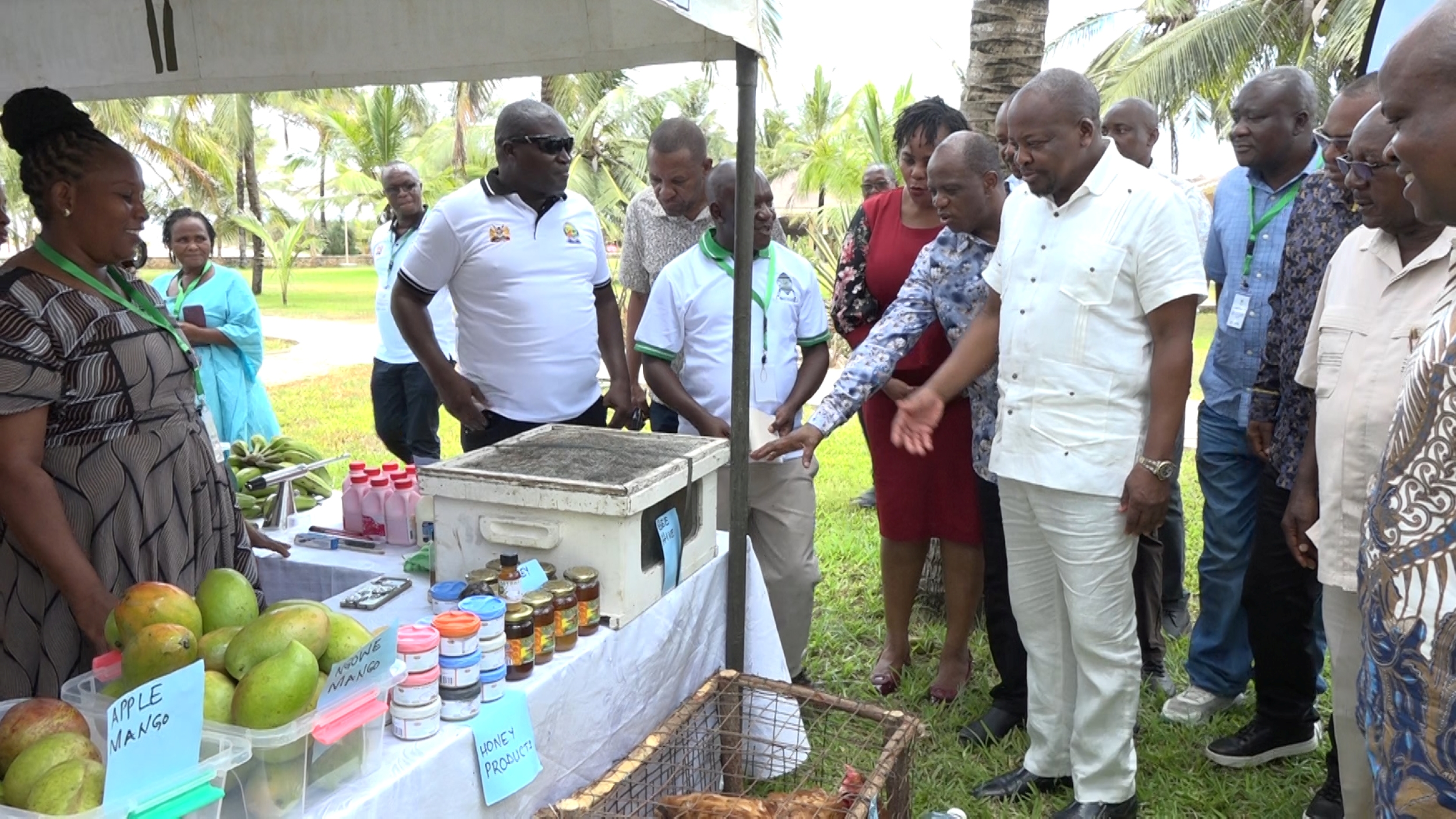
Speaking while delivering the keynote address at the Jumuiya ya Kaunti za Pwani Agricultural Revitalisation Summit in Malindi, Kagwe said that relying solely on funds from the exchequer to run enterprises had yielded little success.
He cited the cashew nut and sugar sub-sectors, as well as the Galana-Kulalu Food Security Project, noting that they had initially struggled under government funding until the private sector became involved.
“There is a government cashew nut factory here in Kilifi. Is it working? It is not working. Yet there are two private cashew nut factories that are doing very well,” he said, pointing to the success of the Vipingo-based facilities as evidence of private sector efficiency.
He said the Galana-Kulalu project, initially envisioned as a state-run maize production hub, faltered until private firms stepped in with their own capital.
“Now there are two big firms putting in their own capital and money, and the results are very impressive,” he said adding.
“Expecting money from the exchequer to help us in enterprise doesn’t really work; and I think as a nation, we need to come to that realisation,” he added.
The CS also pointed to the revival of sugar factories leased to private operators, which he said had resulted in farmers receiving regular payments after years of delays.
He urged counties to actively attract private sector players by offering land and opportunities for commercialization. Kagwe mentioned government-owned assets such as ADC farms, Prison lands, and KALRO facilities as areas ripe for private sector collaboration.
“Government can invest in research and regulation but enterprise thrives when private capital and innovation are brought into the mix,” he said.
The CS further cautioned that uncontrolled land subdivision is threatening the future of agriculture in Kenya.
He stressed the need for a national conversation on strategic land use to secure food security, commercial farming viability, and sustainable growth.
“In some cases, a single acre has been divided among six children. We cannot afford to continue this fragmentation. Large, consolidated farms are critical for mechanization, investment, and building a resilient agricultural economy,” Kagwe said.
The Agriculture and Food Authority (AFA) Acting Director General Calistus Kundu reaffirmed the regulator’s commitment to revitalising agriculture in the coastal region, with renewed focus on coconut, cashew nut, rice and cassava farming.
He said the Coast has for many years been known as a nut-producing region but production has declined due to aging crops and low investment.
“We are here to revitalise coastal agriculture. As AFA, we have been promoting coconuts, cashew nuts, groundnuts, rice, cassava, cotton and sunflower. Cashew nuts in particular can be a huge economic activity in this region,” said Kundu.
He noted that most coconut and cashew trees in counties such as Lamu, Kilifi and Kwale are old and require replacement with improved varieties, and noted that for the last three years, AFA has distributed thousands of coconut seedlings to farmers across the Coast.
“We have also been distributing sunflower seeds to increase local production and reduce imports of edible oil,” he said.
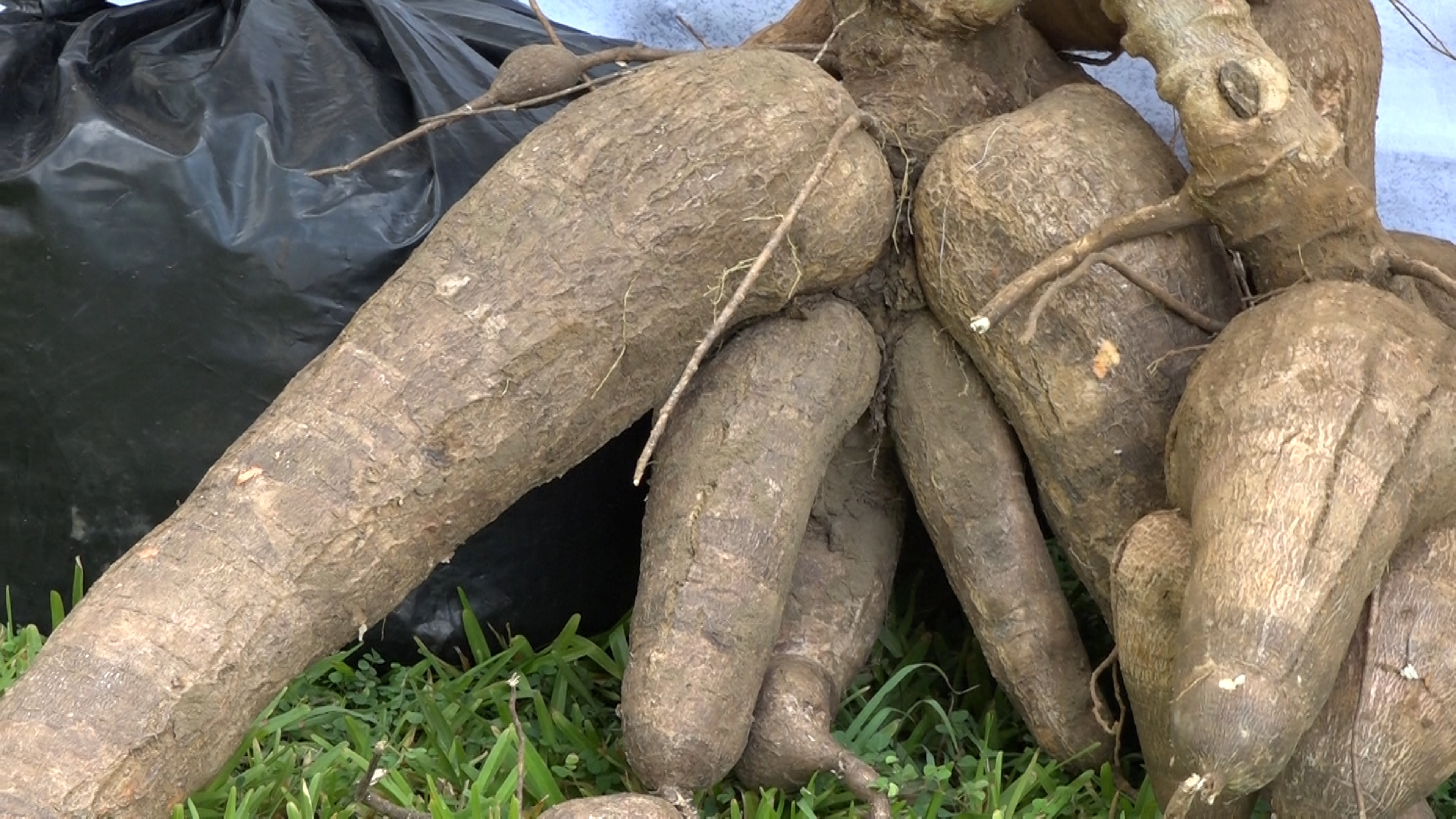
Kundu further noted that rice production had also improved in Kwale and Tana River through collaboration with research institutions, while new cassava varieties have been introduced to combat diseases that had previously affected yields.
Incoming Chairman of the Jumuiya ya Kaunti za Pwani economic bloc Dhadho Gaddae Godhana, called for the adoption of digital technologies to revitalise agriculture across the Coast region, describing digitisation as a “game changer” capable of unlocking efficiency, boosting productivity, and improving farmer incomes.