
State moves to broaden 4K Clubs programme through partnerships
WANGARI NDIRANGU-KNA
The Ministry of Agriculture and Livestock Development has emphasized the need for stronger partnerships to expand the 4K Clubs programme and encourage more young people to pursue agriculture.
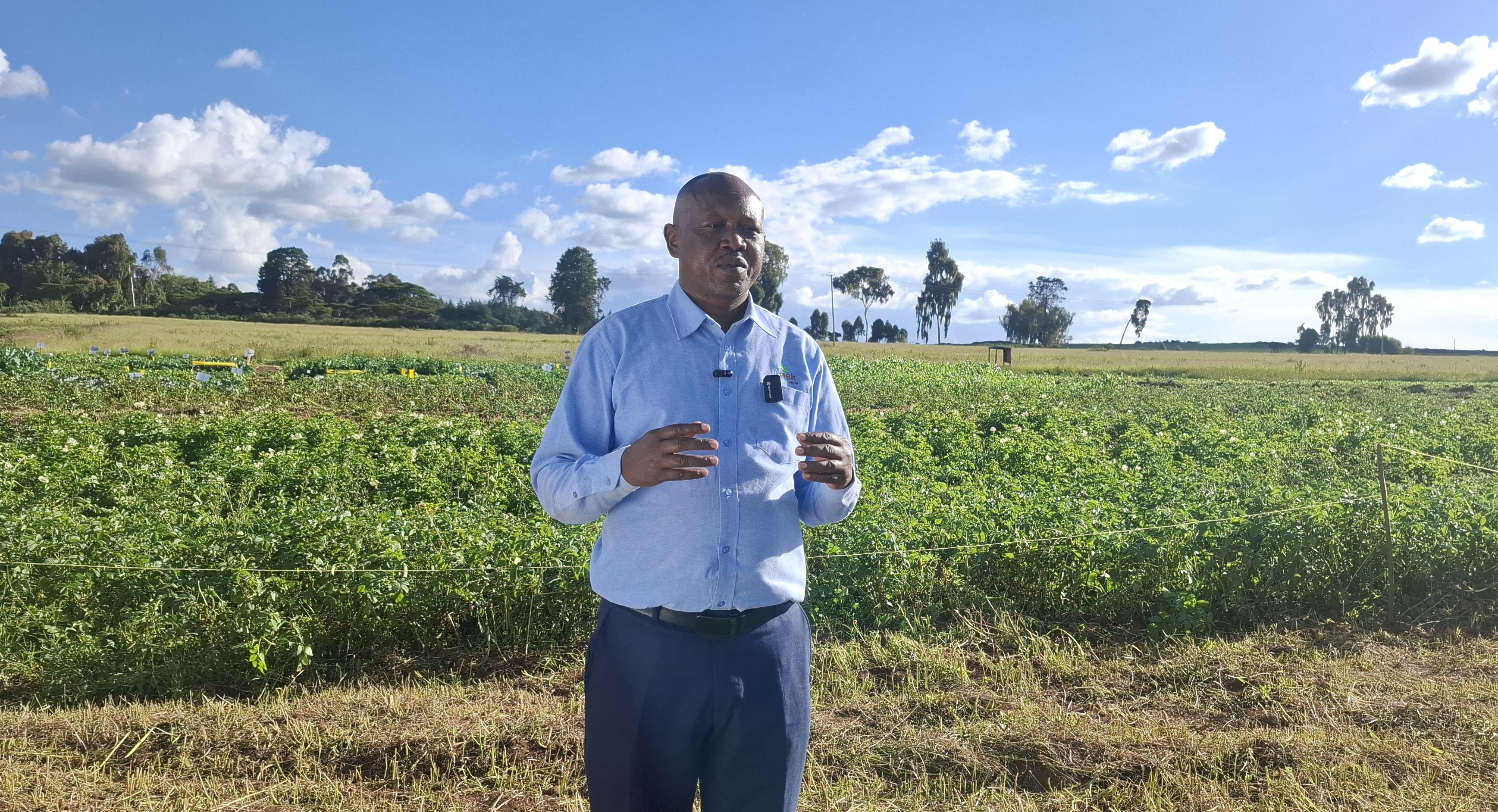
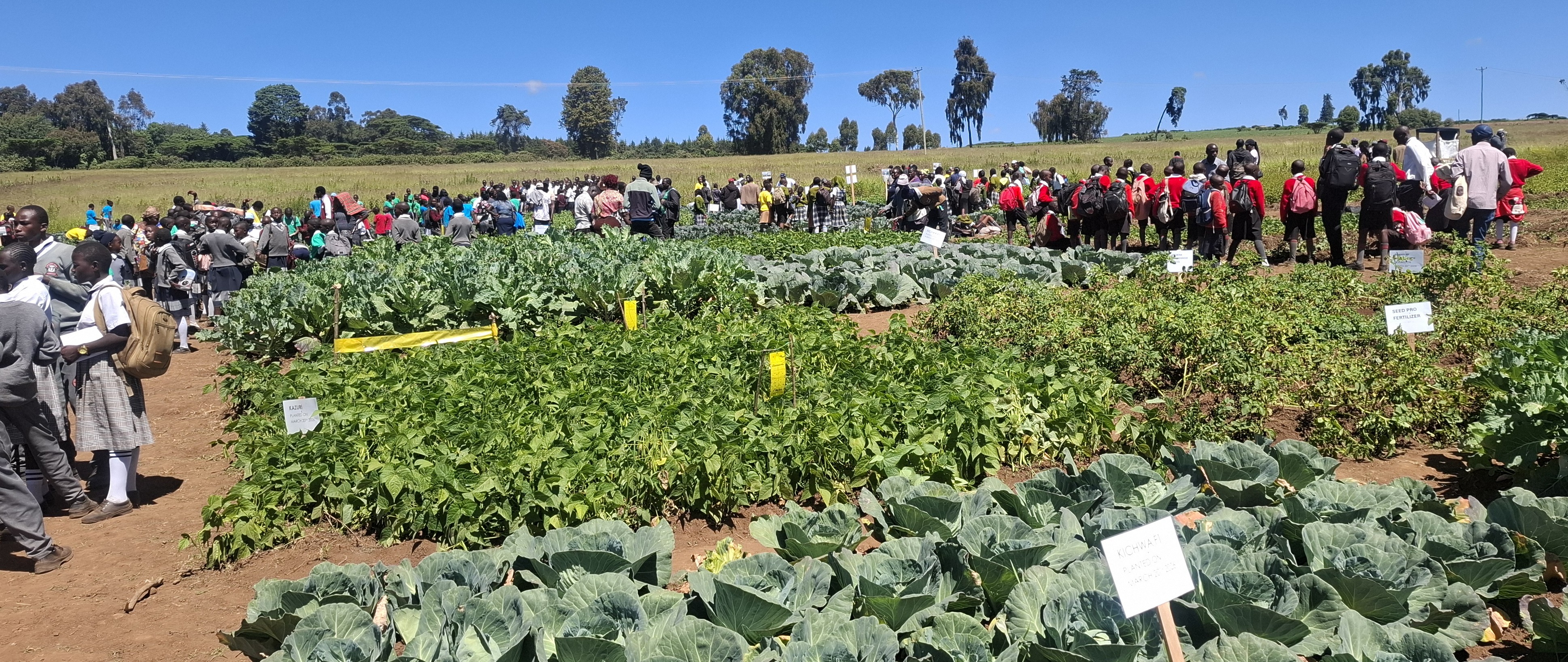
Speaking at a youth agricultural learning event and field day organized by AAK Grow (formerly the Agrochemicals Association of Kenya), Charles Lusweti, Head of the Youth in Agriculture Unit, noted that the 4K programme is helping to address the challenges posed by an aging farming population by introducing learners to agriculture at an early age.
Lusweti said the rebranded 4K Clubs, relaunched in 2021, are now active in all 47 counties, with about 2,700 registered clubs and more than 300,000 learners participating.
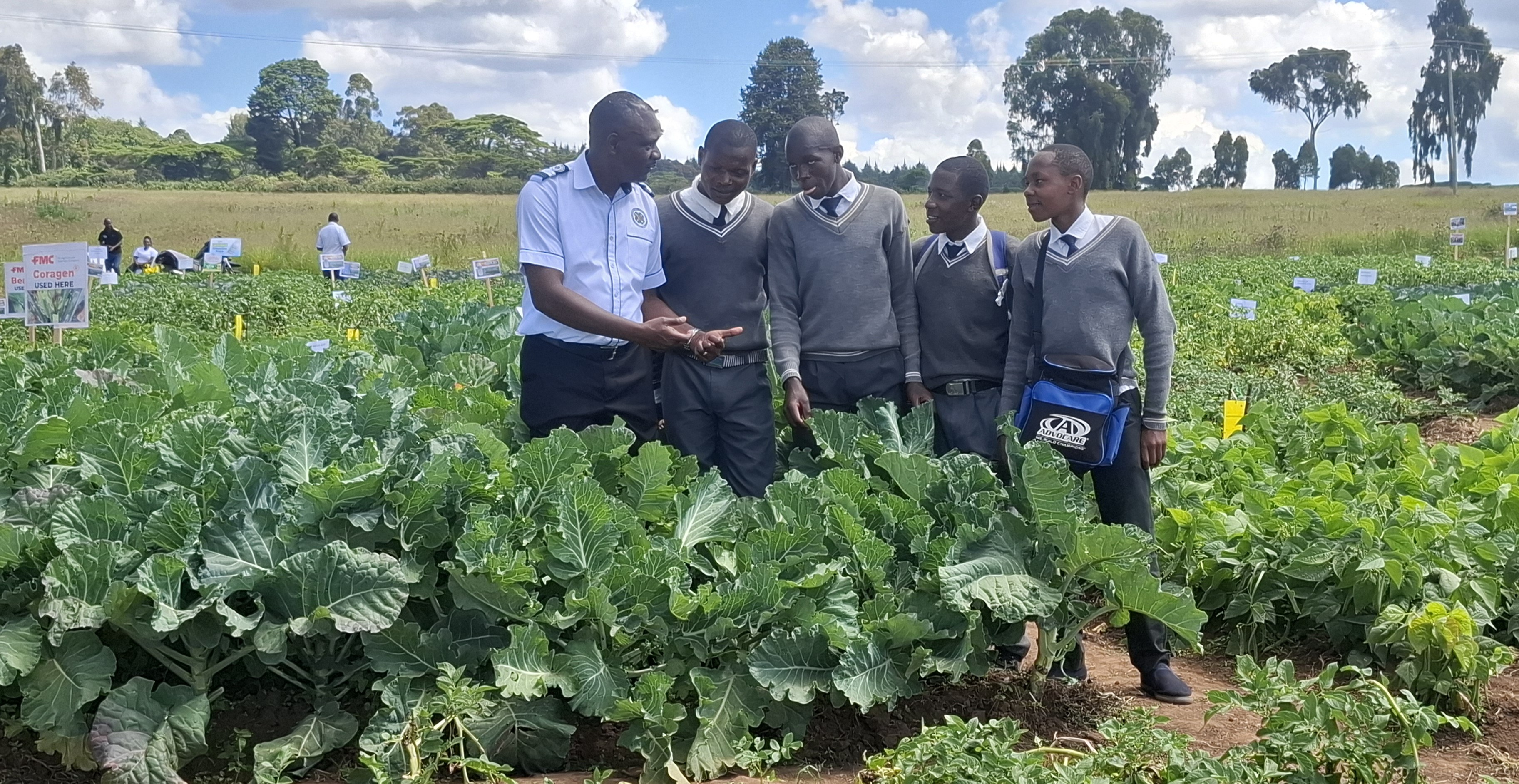
He noted that the programme is exposing learners to modern agricultural technologies, including drones, digital tools, and agribusiness opportunities, making the sector more attractive to youth.
“The new 4K Club is not just about farming. Learners are being introduced to technology, innovation, and opportunities across agricultural value chains,” he said.
Lusweti urged county governments, schools, and private sector partners to continue supporting the initiative, saying collaboration is key to reaching more schools and strengthening food security, nutrition, and youth employment.
He also highlighted successful school farming projects in Kajiado and Embu, where agricultural production is supporting school feeding programs.
Stella Simiyu, CEO of CropLife Africa Middle East which has partnered with government to support the 4K club initiatives lauded Kenya’s efforts to involve young people in agriculture, saying the country’s investment in agricultural education is key to ensuring future food security.
Simiyu said Kenya is among three countries implementing the Sustainable Pesticide Management Framework, a five-year initiative aimed at promoting sustainable agricultural practices, alongside Morocco and Egypt.
She said the programme focuses on producing more food with fewer resources, promoting safe use of agricultural technologies, and ensuring long-term sustainability in food production systems.
Simiyu noted that empowering young people with agricultural knowledge and modern technologies such as drones would help transform the sector and drive behavioral change in communities.
“If you want to know the future of a sector, look at the young people,” she said, adding that children can effectively spread messages on safe agricultural practices within their families and communities.
She called for the model being implemented in Kenya to be expanded across the country and replicated in other African nations, while urging greater collaboration among government agencies, schools, families, communities, and development partners.
Simiyu emphasized that agriculture should not be left to the Ministry of Agriculture alone, noting that all stakeholders have a role in nurturing the next generation of farmers.
“I want to challenge communities to invest more in youth-focused agricultural initiatives, considering agriculture is the backbone of Kenya’s economy and a critical driver of future growth,” Simiyu said.
The vice-chancellor of Egerton University, Prof. Isaac Ongubo Kibwage, said the university was hosting the 4K Club programme to nurture young people’s interest in agriculture and strengthen future food security.