
State, development partners to expand renewable electrification drive
JOSEPH NG’ANG’A-KNA
The Government is collaborating with development partners to mobilise investment and expand access to energy, with a focus on renewable electrification and green energy solutions.
Energy and Petroleum Cabinet Secretary (CS), Opiyo Wandayi, described energy as a “strategic enabler” of economic transformation, industrial growth, and social inclusion.
He noted that approximately 75 per cent of Kenyans currently have access to electricity through both grid and off-grid solutions, with the remaining population largely in rural and hard-to-reach areas.
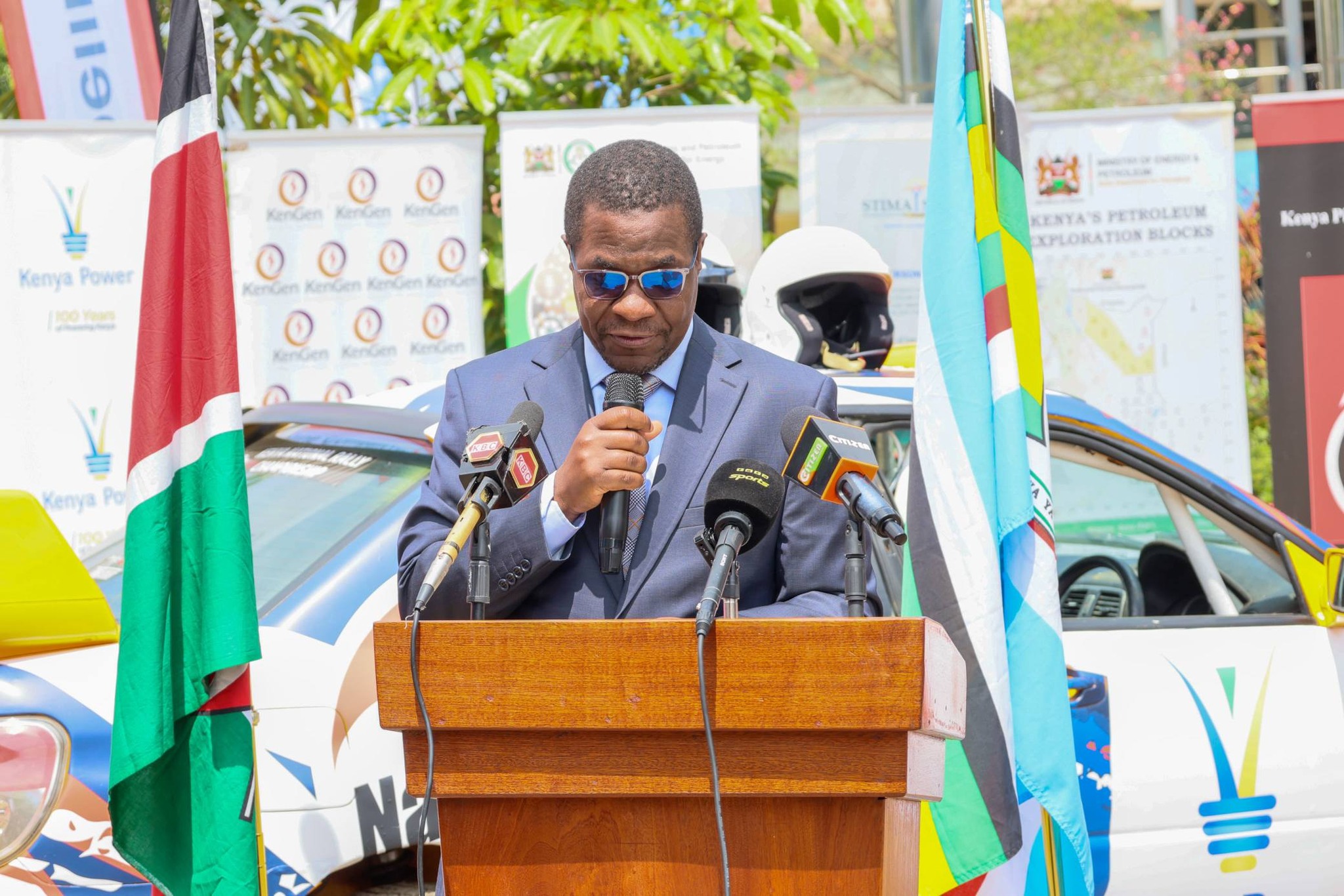
The CS, in a speech read on his behalf by the Secretary Administration, Ministry of Energy, Allan Machari, during the 2026 Energy Access Investment Forum (EAIF) held in Nairobi, said the government is implementing a dual strategy that combines grid expansion with decentralised solutions such as mini-grids and standalone solar systems.
“Over the past decade, Kenya has connected more than six million households under its Last Mile Connectivity Programme, bringing the total number of connected households to over 10 million,” Wandayi said.
The CS highlighted ongoing initiatives supported by development partners, including the World Bank, the European Union (EU), the European Investment Bank, and the Japan International Cooperation Agency (JICA) which are expected to connect an additional 805,000 households by the end of the year.
Wandayi said that the government has also made significant progress in off-grid electrification. So far, 20 diesel-powered stations and 30 solar hybrid mini-grids have been deployed to serve remote communities.
An additional seven solar hybrid mini-grids have been implemented under the Kenya Electricity Modernisation Project.
“Collectively, these 57 mini-grids have connected more than 30,000 households and businesses, supporting local enterprises and improving livelihoods. Further expansion is underway through new projects led by national utilities to increase access in underserved counties,” Wandayi said.
He added that Kenya continues to position itself as a global leader in renewable energy, with about 93 per cent of its electricity generated from green sources such as geothermal, wind, hydro, and solar.
The government is now focusing on scaling up generation capacity, investing in energy storage, and exploring emerging technologies including green hydrogen and electric mobility.
Wandayi emphasised that Kenya’s energy transition strategy is designed to deliver both environmental and socio-economic benefits, including job creation and inclusive growth. European Union (EU) Ambassador to Kenya, Henriette Geiger, highlighted the bloc’s continued support for Africa’s energy ambitions.
Geiger said through its Global Gateway strategy, the EU plans to mobilise over €300 billion globally for sustainable infrastructure, including energy projects.