


Outdated tea tasting methods to end as Mombasa gets modern lab
LINET WAFULA-KNA
The Government will commission a modern scientific tea testing centre in Mombasa by May this year as part of sweeping reforms aimed at enhancing transparency, improving quality, and increasing earnings for farmers.
Agriculture Principal Secretary Dr. Kiprono Rono said the new facility will replace outdated and unscientific tea tasting methods, ensuring credibility and fairness in the evaluation and pricing of Kenyan tea in the global market.
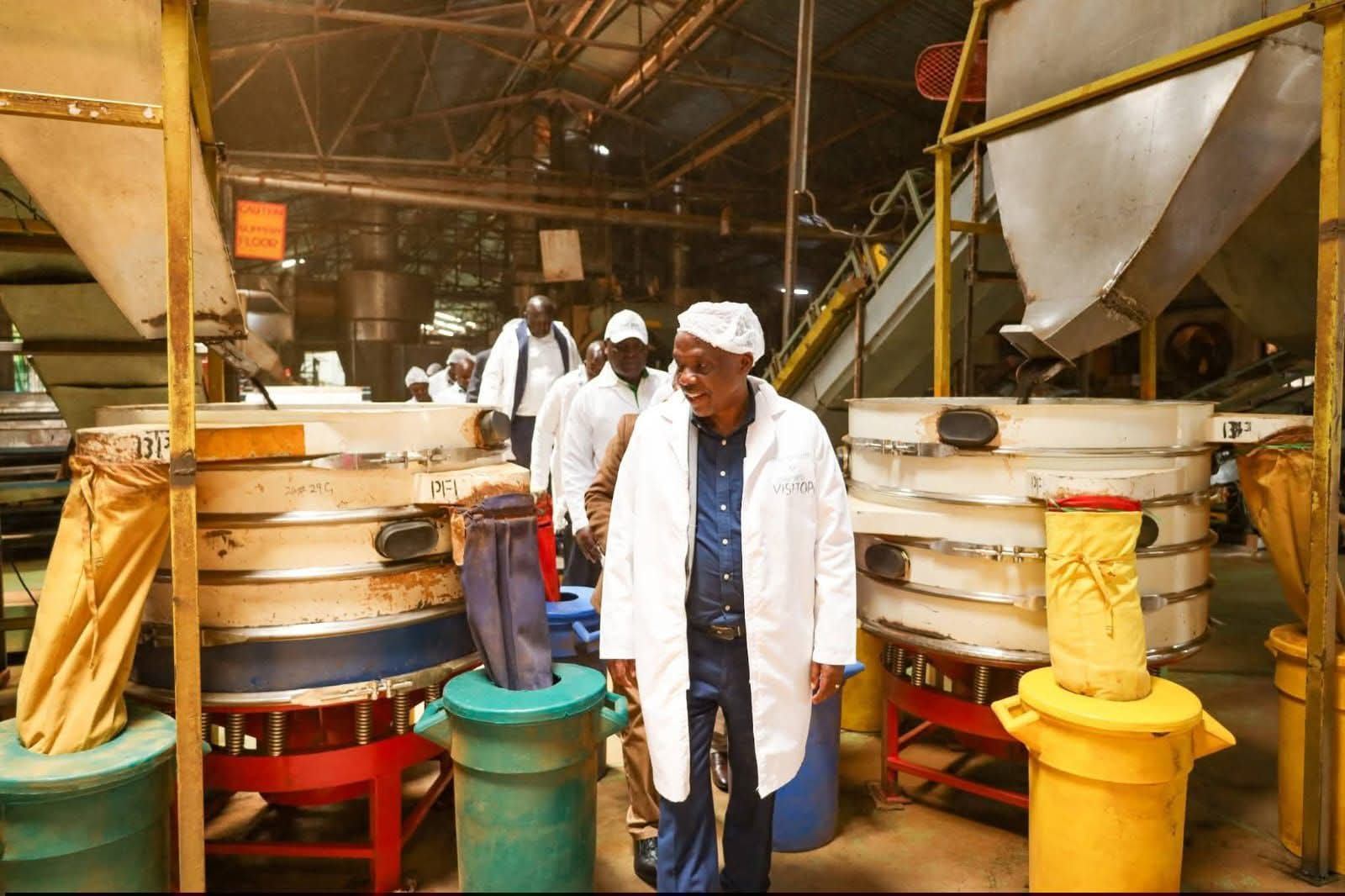
Speaking during a visit to Chebut and Kaptumo tea factories in Nandi County, Dr. Rono said the centre will mark a major shift towards science-based assessment of tea quality, strengthening Kenya’s competitiveness internationally.
The PS also announced a Sh 3.5 billion investment to upgrade 19 tea factories across the country in a bid to modernize processing and improve efficiency.
For instance, Chebut Tea Factory is set to receive Sh89 million for modernization, while Kaptumo Tea Factory will benefit from Sh77 million to upgrade its processing lines and dryers.
The PS emphasized the need for Kaptumo factory to install an orthodox tea processing line, noting that the government is actively seeking premium markets to support the transition from the traditional (Crush, Tear, Curl) CTC method to orthodox tea, which fetches higher prices globally.
He issued a stern warning to the Kenya Tea Development Agency (KTDA) Board over alleged corruption and mismanagement of funds meant for tea factories, cautioning that the government will take firm action against those implicated.
“Farmers should not uproot their tea bushes. Instead, we will uproot the cartels,” said Rono, reaffirming the government’s commitment to protecting farmers’ interests and restoring integrity in the sector.
He noted that ongoing state interventions have already seen monthly payments to farmers rise from Sh16 to Sh26 per kilogram over the past year, offering relief to growers who have long grappled with low returns.
The PS attributed recent instability in tea prices and bonuses to global factors including the ongoing conflict in the Middle East, which has disrupted key export markets such as Iran, one of the largest consumers of Kenyan tea.
He added that the government is exploring alternative markets in China and Pakistan to cushion farmers from the impact.
To address production challenges, Dr. Rono announced that the government has released Sh2 billion for fertilizer subsidy to mitigate shortages caused by increased demand.