
KIMC set for upgrade as government moves to create Kenya School of Communication
By Celine Mwende and Stephen Musau (KNA)
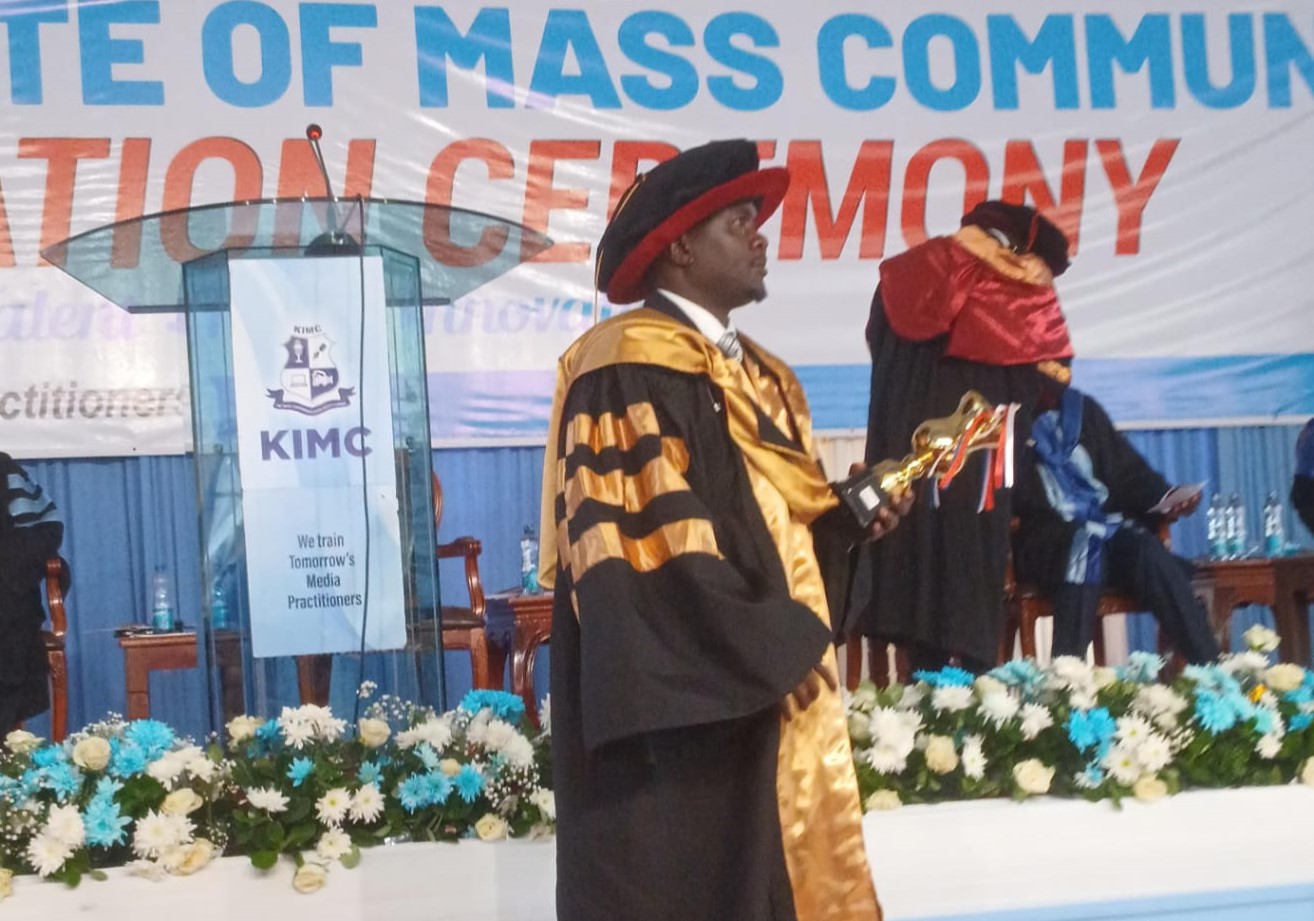
The Kenya Institute of Mass Communication (KIMC) has graduated 438 students as the Government pushes ahead with plans to elevate the institution into the Kenya School of Communication, a national centre of excellence for media and communication training.
The proposed transformation is anchored in the Kenya School of Communication Bill, 2025, which seeks to upgrade KIMC from a Technical and Vocational Education and Training (TVET)-accredited institution into a specialised professional training institution serving both public and private sector communication practitioners.
Speaking during the institution's 2026 graduation ceremony in Nairobi, Secretary for Information and Broadcasting Temesi Mukani said the proposed changes would enable the institution to broaden its academic and professional offerings.
“The proposed transformation will enable the institution to offer postgraduate diplomas, specialised professional certifications and continuous professional development programmes targeting practitioners in both the public and private sectors,” said Mukani.
Mukani, who represented Broadcasting and Telecommunications Principal Secretary Stephen Isaboke, noted that KIMC qualifications are internationally recognised through the Kenya National Qualifications Authority, creating opportunities for graduates to work both locally and abroad.
He cited international media organisations such as the BBC and Voice of America among institutions where KIMC alumni have built successful careers.
The graduation ceremony brought together students, parents, government officials, media professionals and industry stakeholders to celebrate the achievements of the Class of 2026 while reflecting on the evolving demands of the communication and media industry.
KIMC Council Chairman Silas Jonyo announced another major milestone for the institution, revealing that the institute had finally secured the title deed for its Eldoret campus after an eight-year wait.
He said the acquisition would support efforts to decentralise media and communication training and expand educational opportunities for students from the Rift Valley and Western Kenya regions.
“The title deed strengthens our plans for expansion and supports our vision of increasing access to quality media training across the country,” Jonyo said.
He also reaffirmed the institution's commitment to modernising training facilities through investments in studios, laboratories and information and communication technology infrastructure to prepare students for the rapidly changing communication environment.
The ceremony highlighted the growing demand for communication professionals within government. Mukani revealed that 100 entry-level communication officers had recently been recruited into the public service, including 67 in the information and broadcasting sector.
Notably, KIMC graduates secured 26 of the newly created positions.
Public Relations Society of Kenya (PRSK) President Arik Karani challenged graduates to pursue their careers with resilience, professionalism and integrity, urging them to distinguish themselves through dedication and consistent performance.
Karani shared his "Five Ps" framework for professional success: planning, passion, persistence, performance and partnership.
“These principles will help you navigate your careers and remain competitive in a constantly evolving profession,” he told the graduates.
Chairperson of the KIMC Council Training Committee Esther Kagiri encouraged graduates to remain patient and committed to their ambitions despite challenges, noting that success often requires perseverance and discipline.
She paid tribute to parents and guardians who had made sacrifices to support their children's education and reminded graduates that achieving long-term goals demands preparation, patience and hard work.
Guest speaker and media industry leader Paul Ilado urged the graduates to prepare for a professional environment increasingly shaped by technological disruption, competition and rapidly changing industry expectations.
He cautioned against prioritising fame, wealth and public recognition over character and professional responsibility.
“Do not avoid that which is hard, but absolutely necessary,” Ilado advised.
He challenged graduates to remain adaptable, embrace lifelong learning and pursue excellence regardless of their backgrounds.