
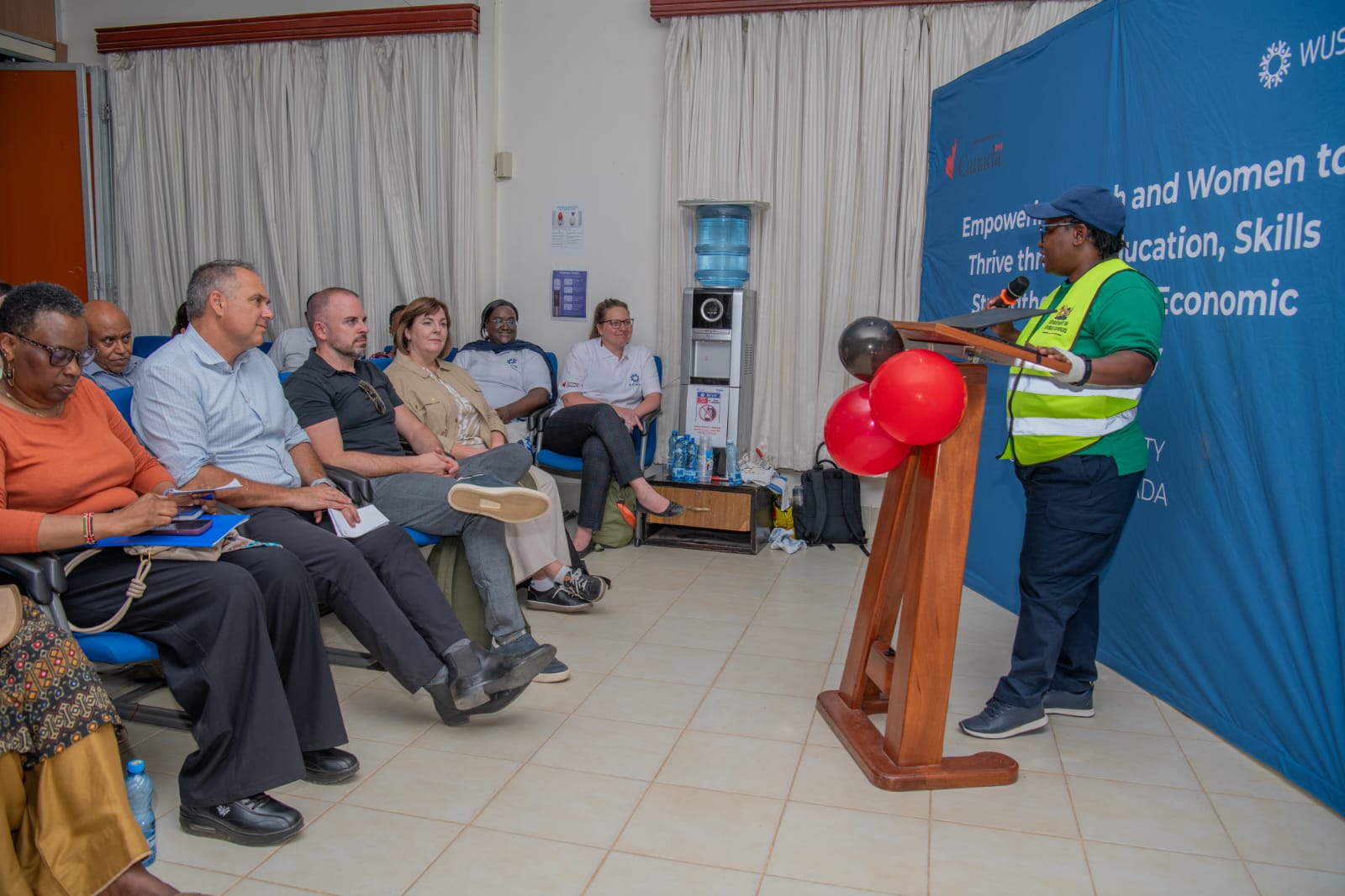
Sh1.6b Canadian project to equip 10,000 refugee and host community youth with job skills
By Erick Kyalo (KNA)
More than 10,000 young people living in refugee settlements and host communities in Dadaab, Kakuma and Kalobeyei are set to benefit from a Sh1.6 billion skills and employment programme funded by the Government of Canada.
The seven-year initiative, dubbed Strengthening Skills Training Ecosystems and Pathways (STEP), will be implemented by the World University Service of Canada (WUSC) at a cost of 18 million Canadian dollars.
The programme aims to equip young people with market-relevant skills, support entrepreneurship, expand access to digital jobs and create pathways to formal employment.
Of the targeted beneficiaries, 60 per cent will be refugees while 40 per cent will come from host communities.
Launching the project in Dadaab, Canadian High Commissioner to Kenya Joshua Tabah said the initiative was designed to unlock the potential of young people in refugee settlements and neighbouring communities by connecting them to training, mentorship and employment opportunities.
“This project will support more than 10,000 young people, with a strong focus on women, girls and marginalised groups, to access technical, vocational, entrepreneurial and digital skills,” said Tabah.
He noted that the programme goes beyond training by ensuring participants are connected to real economic opportunities.
“Skills training alone is not enough. Young people need pathways to jobs, access to markets, mentorship and confidence. Success should be measured not only by the skills acquired but also by the jobs secured and incomes improved,” he added.
Under the programme, 5,500 young people will receive entrepreneurship coaching and mentorship, 1,800 will be linked to digital economic opportunities, while another 2,500 are expected to access formal employment opportunities.
The initiative aligns with Kenya's shift from long-term humanitarian assistance towards more sustainable approaches that promote the economic inclusion of refugees and host communities.
Acting Commissioner for Refugee Affairs Mercy Mwasaru said programmes such as STEP are critical to advancing the Shirika Plan, which seeks to integrate refugee and host community development.
She emphasised that refugees and host communities should be viewed as one community because they share schools, markets, health facilities and other social amenities.
“We want to break the barriers between refugees and host communities because they live within the same ecosystem. Our focus is on ensuring all of them have access to quality education, health services and economic opportunities,” said Mwasaru.
She added that attracting private investment to refugee-hosting areas would be essential in addressing Kenya's protracted refugee situation and creating sustainable livelihoods.
Mwasaru also underscored the importance of education and skills development in preparing young people for the evolving labour market.
For many young refugees, the programme represents a chance to overcome barriers that have historically limited access to employment and entrepreneurship opportunities.
Ahmed Sahal, a refugee student from Somalia, welcomed the project's emphasis on digital skills, saying it would prepare young people for emerging opportunities in technology, including artificial intelligence.
“One of the major benefits of this project is that it will connect young people to the digital world and equip them with skills that are relevant in today's technological environment,” he said.
Sahal added that access to international labour mobility opportunities could open new avenues for qualified young people seeking meaningful employment.
Another beneficiary, Nyakhor Buob, a student of South Sudanese origin who grew up in Kenya, said the programme had come at a critical time for young women and girls, many of whom struggle to realise their ambitions due to limited mentorship and opportunities.
She said many girls had been forced to abandon their dreams because of inadequate support systems and economic constraints.
“STEP has come at the right time. It offers young people practical skills, mentorship and clear pathways to employment while helping young women avoid challenges faced by previous generations,” said Buob.