
How beekeeping is empowering women in West Pokot, fighting poverty
ANTHONY MELLY-KNA
Women in the semi-arid landscapes of West Pokot are transforming beekeeping into a powerful source of income, hope and environmental conservation.
Through support by the Kerio Valley Development Authority (KVDA), hundreds of women have embraced modern beekeeping as a sustainable source of livelihood, helping them achieve financial independence while protecting the region’s fragile ecosystem.
For years, many women in West Pokot struggled financially, relying heavily on livestock or depending on their husbands for support.
Honey farmers were also vulnerable to exploitation by brokers and middlemen who bought honey at throwaway prices, sometimes as low as Sh100 per kilogram.
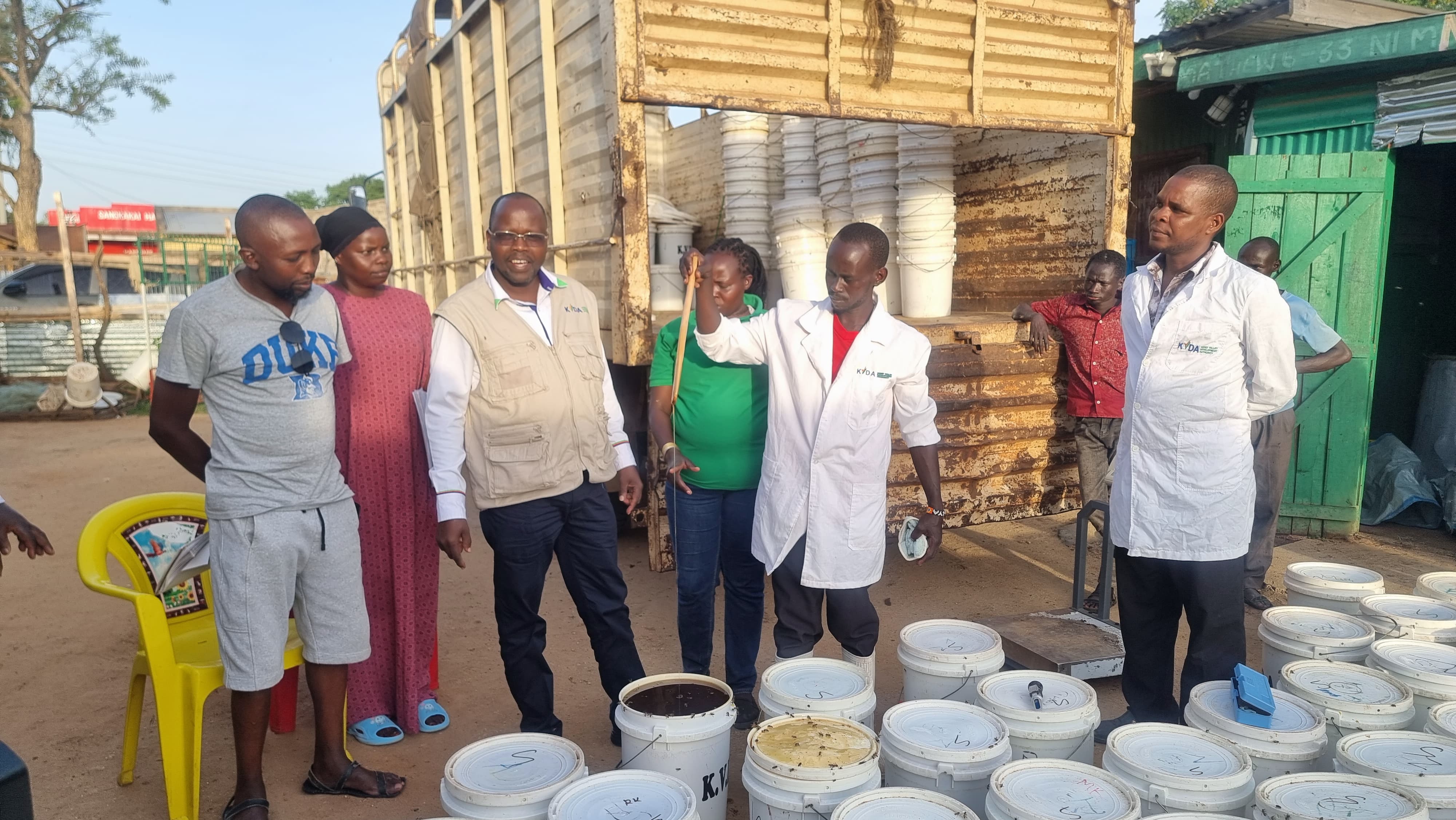
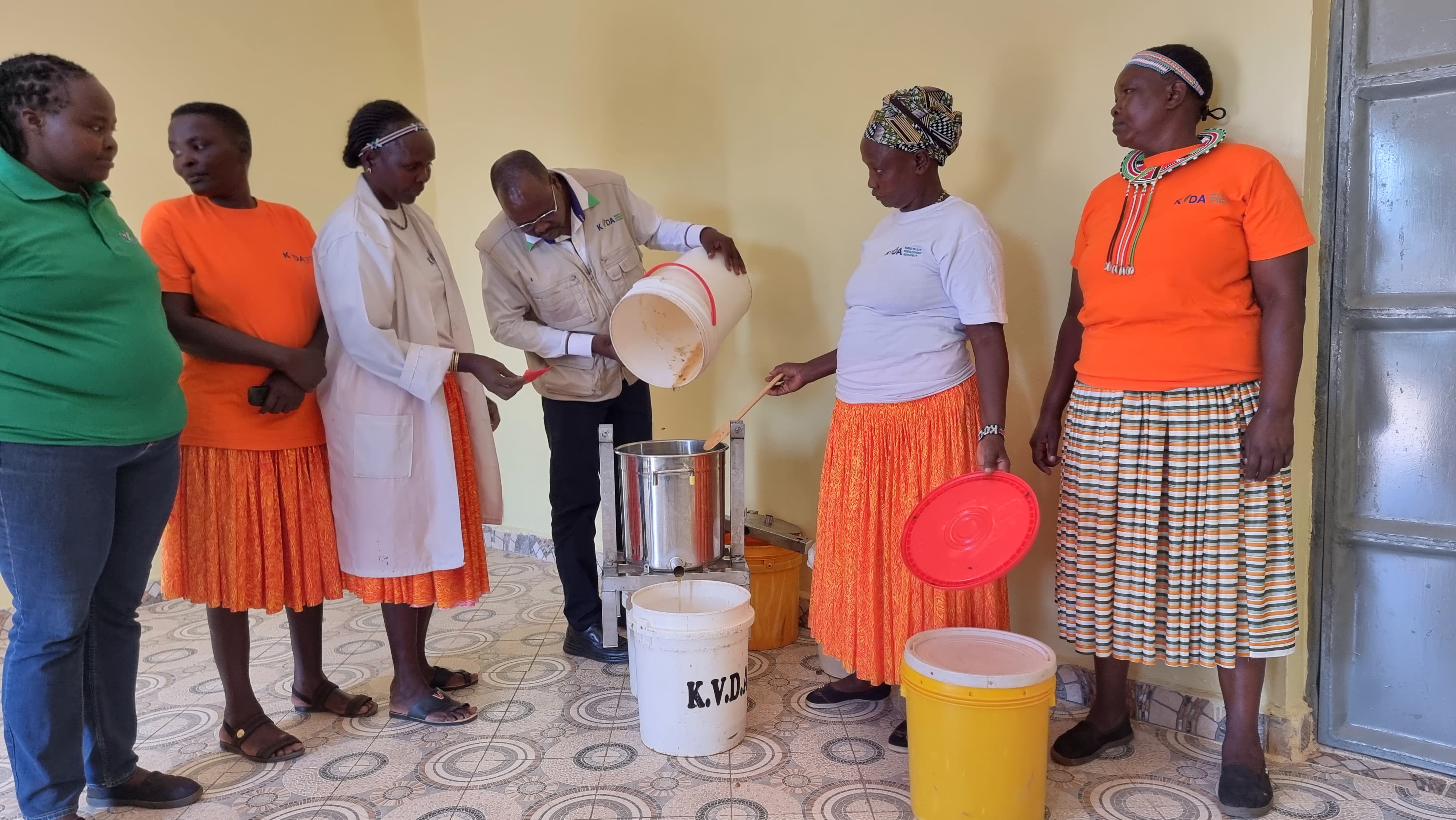
Today, the story is different. KVDA has stepped in to stabilize honey prices, provide markets access, modernize beekeeping practices, and train framers on honey processing and value addition.
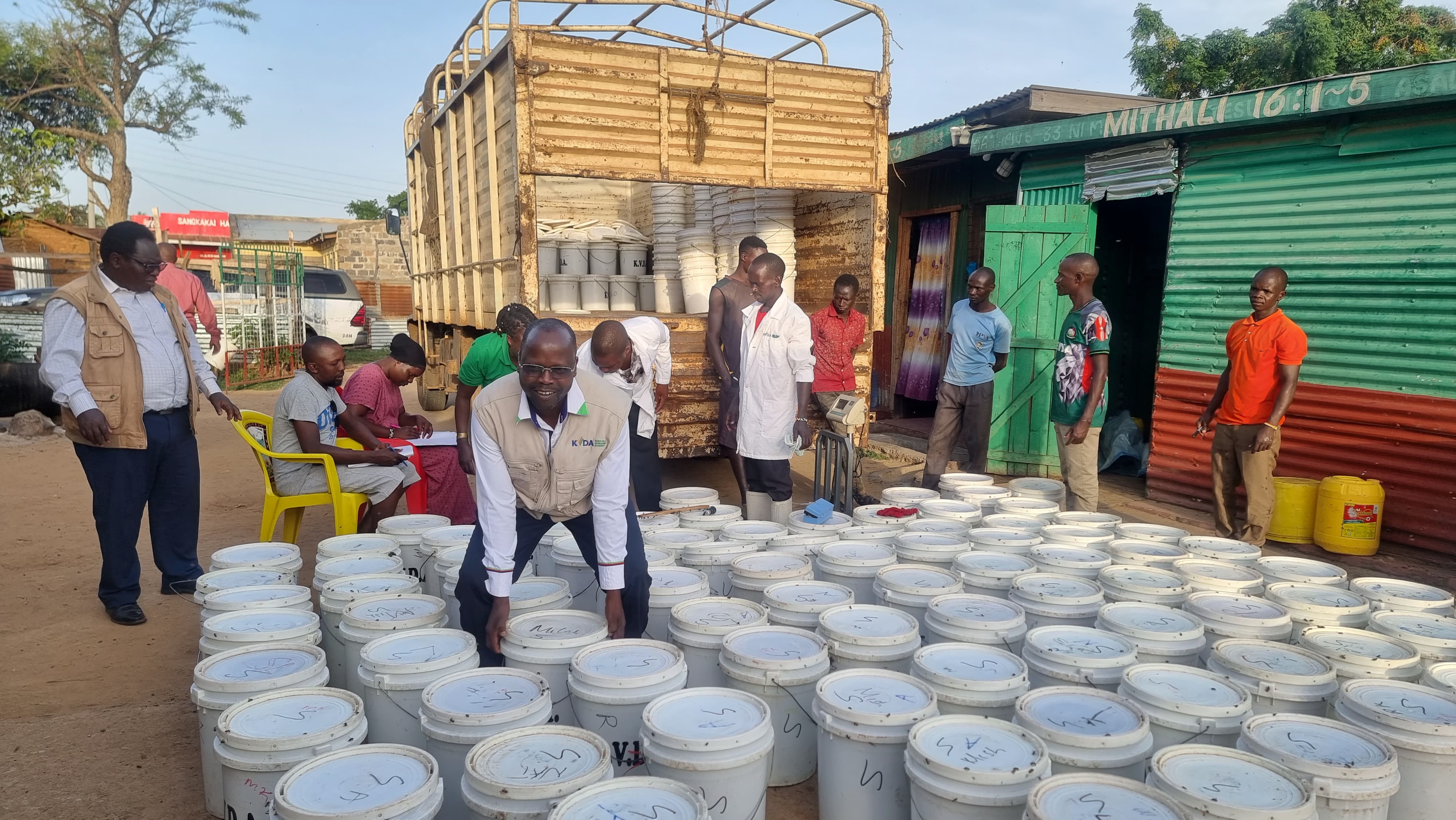
The Authority currently purchases more than 130 tonnes of semi-processed honey annually from farmers across the Kerio Valley regions, injecting over Sh45 million directly into local communities.
KVDA Acting Managing Director Moses Kipchumba says the Authority’s interventions are aimed at protecting farmers from exploitation while promoting sustainable livelihoods.
“Beekeeping is favorable due to the prevailing ecological conditions, especially the availability of acacia trees. Unlike livestock, bees are more resilient to drought and erratic weather conditions,” said Kipchumba.
He noted that KVDA has modernized the sector by introducing Kenya Top bar and Langstroth hives to replace traditional log hives, which were less productive and difficult to manage.
The Authority has also established a honey processing plant at Rokocho in Elgeyo Marakwet County with a capacity to process 150 tonnes of honey annually, helping improve honey quality and support value addition.
Beyond improving livelihoods, the honey value chain is also contributing significantly to environmental conservation.
“The honey value chain is part of conservation and biodiversity protection. Through beekeeping, farmers now value trees because they understand the economic benefits of honey production,” Kipchumba explained.