
Kirinyaga County rolls out digital livestock registration,vaccination
DAVID WANDETO-KNA
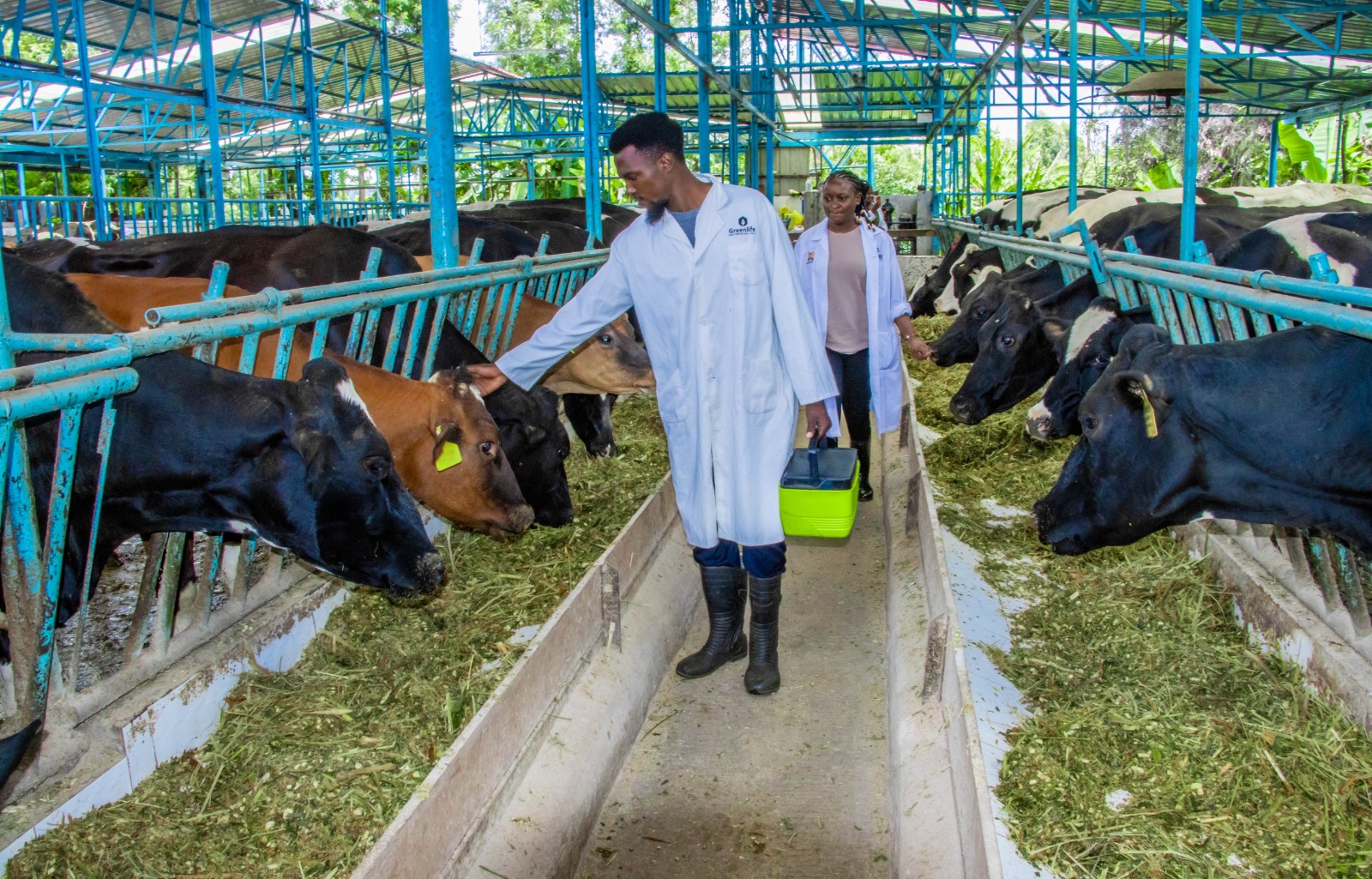
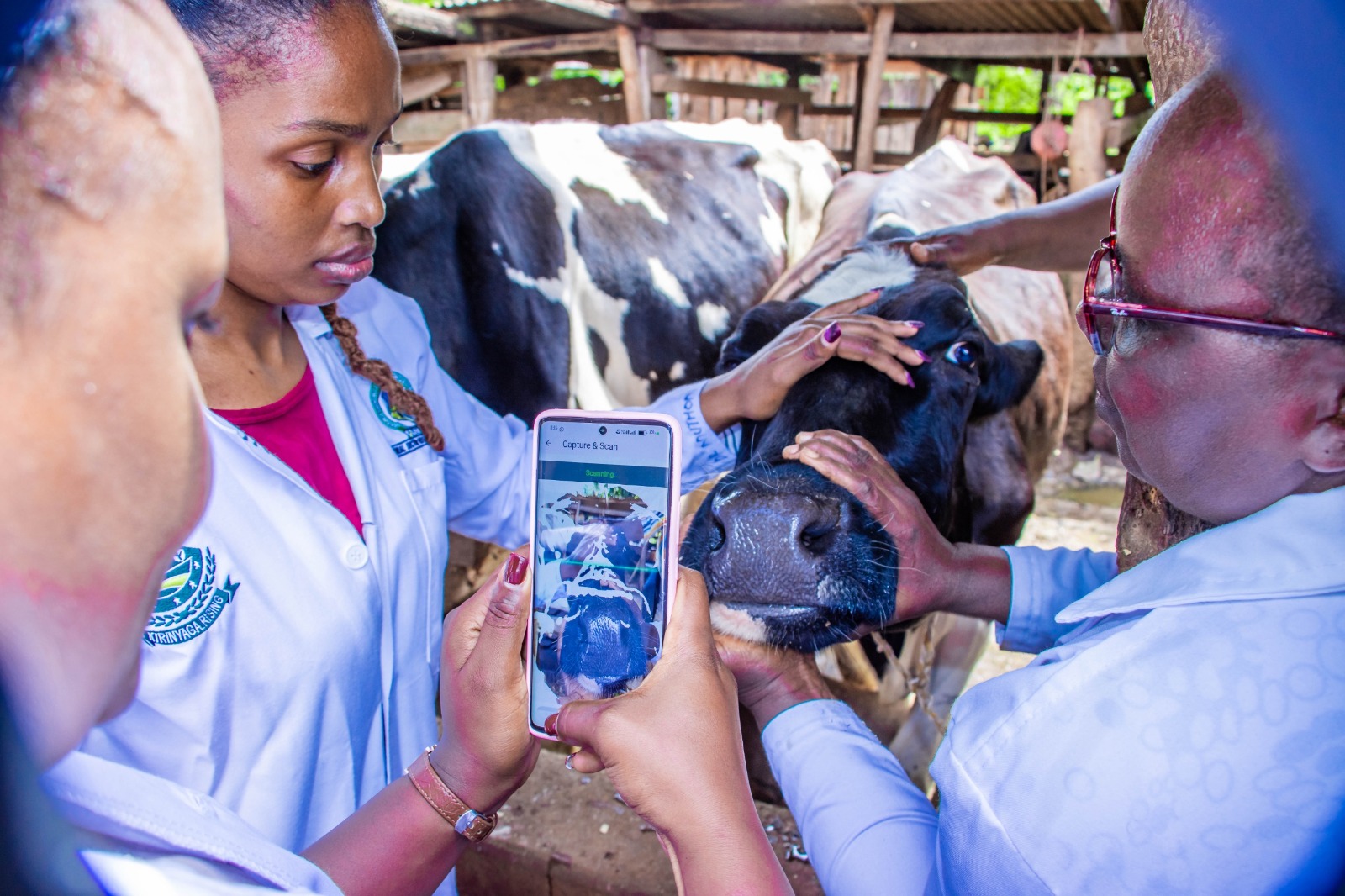
The Kirinyaga County Government has stepped up efforts to modernize livestock management through a digital registration exercise using muzzle identification, alongside a mass vaccination campaign against foot and mouth disease (FMD) targeting more than 80,000 cattle.
The initiative, led by the Department of Agriculture, Livestock, Veterinary and Fisheries, aims to establish a reliable and tamper-proof livestock database to enhance animal tracking, planning, and delivery of veterinary services.
It also seeks to strengthen disease surveillance and response systems. The digital registration exercise has already covered over 11,000 cattle, with veterinary teams deployed across villages providing door-to-door services to farmers.
The integration of vaccination with registration is expected to establish a robust foundation for data-driven livestock management and improve productivity in the dairy sector.
Under the new system, each animal is identified using its unique muzzle pattern, comparable to human fingerprints.
The technology offers a highly accurate and secure method of identification, overcoming long-standing challenges associated with conventional methods such as ear tagging, branding, collars, and visual identification, which are prone to tampering, loss, or duplication.
Governor Anne Waiguru said the initiative is part of the county government’s broader strategy to transform the dairy sector into a key driver of economic growth and household income improvement.
“The county has been implementing targeted interventions to enhance dairy productivity, including providing Artificial Insemination services to more than 150 households to encourage the adoption of improved dairy breeds,” Waiguru said.
She added that the adoption of better breeds has required additional investments in livestock nutrition, prompting the county to increase access to quality animal feeds and fodder to support higher milk production.
The governor observed that average milk yields per cow have risen from 2.5 litres to about 7.8 litres per day, and the county is working to raise production above 12 litres per cow per day through continued investment in genetics, nutrition, and animal health.
Additionally, the county has strengthened dairy cooperatives by providing equipment such as milk coolers, pasteurizers, yoghurt processing machines, and backup generators to support value addition and improve farmers’ earnings.
During an inspection of the exercise in Kiaritha, County Executive Committee Member for Agriculture, Livestock, Veterinary and Fisheries, Dr. John Gachara, emphasized collaboration with the national government to eliminate FMD in Kirinyaga.
“We are conducting our annual vaccination programme, aiming to make Kirinyaga an FMD-free zone,” Dr. Gachara said.
He highlighted that integrating digital registration with vaccination improves livestock management by enabling accurate tracking of animals and their health records.
“Through the muzzle identification system, we can capture critical information, including ownership details, production records, and medical history. This allows timely interventions, better advisory services, and efficient planning of veterinary operations,” he said.
Dr. Gachara explained that the vaccination programme is heavily subsidized, with the government covering Sh150 per animal to make the service affordable and encourage widespread participation.
Director of Livestock, Dr. Catherine Mulonzi, noted that the digital approach marks a major shift toward modern livestock management, enhancing efficiency in service delivery and resource allocation.
She explained that combining vaccination with registration ensures real-time data collection, enabling the county to make informed decisions on disease control, vaccine distribution, and deployment of veterinary personnel.
“Traditional identification methods have limitations, including susceptibility to fraud, high costs, and potential harm to animals. This system addresses those challenges while improving traceability and farm management,” Dr. Mulonzi said.