Kenya Hosts Global Maternal and Newborn Health Conference as Calls Grow for Urgent Action
Judy Sheri-PCO
Kenya hosts the International Maternal, Newborn and Child Health Conference (IMNHC 2026) this week, placing the country at the centre of global efforts to accelerate action on reducing preventable maternal and newborn deaths.
The high-level gathering runs from 23 to 26 March 2026 at the Edge Convention Centre in Nairobi, drawing more than 1,800 participants from over 100 countries.
Policymakers, health practitioners, researchers, development partners, civil society organisations and private sector actors converge for four days of dialogue, evidence-sharing and collective problem-solving.
The convening arrives at a critical moment for global health; since 2016, progress in maternal and newborn survival slows dramatically, leaving many countries off track to meet the 2030 Sustainable Development Goals.
Millions of women and newborns continue to die each year from preventable causes, while hard-won gains of the past decade face erosion due to shifting global health financing and persistent system challenges.
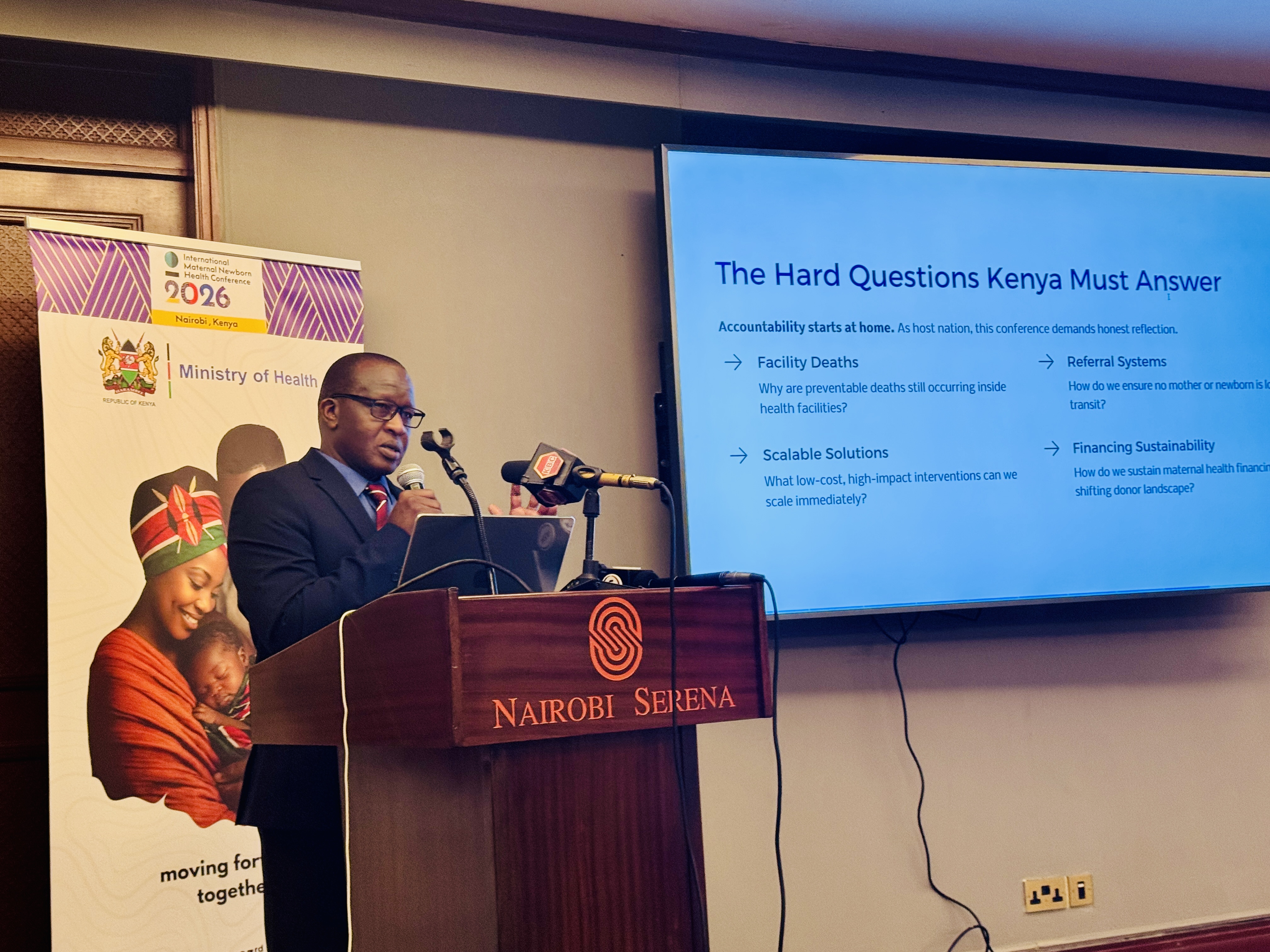
During a media briefing in Nairobi on 19 March, Dr Edward Serem, Head of Reproductive, Maternal, Newborn and Child Health, underscored the urgency of the meeting.
“This conference is not just about dialogue. It is about assessing where we are, identifying what works, and agreeing on practical actions that will save lives,” he says.
As host nation, Kenya assumes a leading role in shaping discussions while reflecting on its own progress and challenges.
Dr Serem acknowledges measurable gains, such as increased skilled birth attendance and improvements in key indicators.
Yet preventable deaths remain unacceptably high.
“Approximately 15 mothers and 92 newborns die every day in Kenya, largely from causes we know how to prevent,” he stresses, pointing to the need for stronger health systems and improved quality of care.
He highlights persistent gaps: deaths occurring within health facilities, weak referral systems and inequities across counties that hinder access to timely and quality care.
“We must ask ourselves difficult questions. Why are preventable deaths still occurring within our facilities? How do we ensure no mother or newborn is lost in transit?” he poses.
Dr Serem called for scaling up low-cost, high-impact interventions, strengthening accountability across national and county governments, and ensuring that investments translate into real outcomes.
Financing, he notes, becomes a central issue as countries navigate a changing donor landscape and increasing pressure to sustain programmes through domestic resources.
“How do we sustain maternal and newborn health financing in this shifting environment? These are the hard questions we must answer,” he says.
The conference theme, Moving Forward Together, reflects the collective spirit of the gathering. Sessions focus on identifying solutions, strengthening partnerships, mobilising resources and enhancing accountability.
Kenya showcases its ongoing reforms, including the Reproductive, Maternal, Newborn, Child and Adolescent Health and Nutrition (RMNCAH+N) Investment Case valued at KES 460 billion, and the Every Woman, Every Newborn (EWENE) Strategy (2026–2030), which prioritises equity, quality and accountability in service delivery.
Plenary sessions, technical discussions, innovation showcases and country experiences provide platforms for sharing evidence-based solutions and strengthening global collaboration.
The diversity of participants ensures that voices from across sectors contribute to shaping the maternal and newborn health agenda.
Dr Serem also appeals to the media to play an active role.
“Every statistic represents a life. The stories you tell will shape action and help drive change,” he says, urging journalists to highlight gaps, amplify community voices and hold leaders accountable.
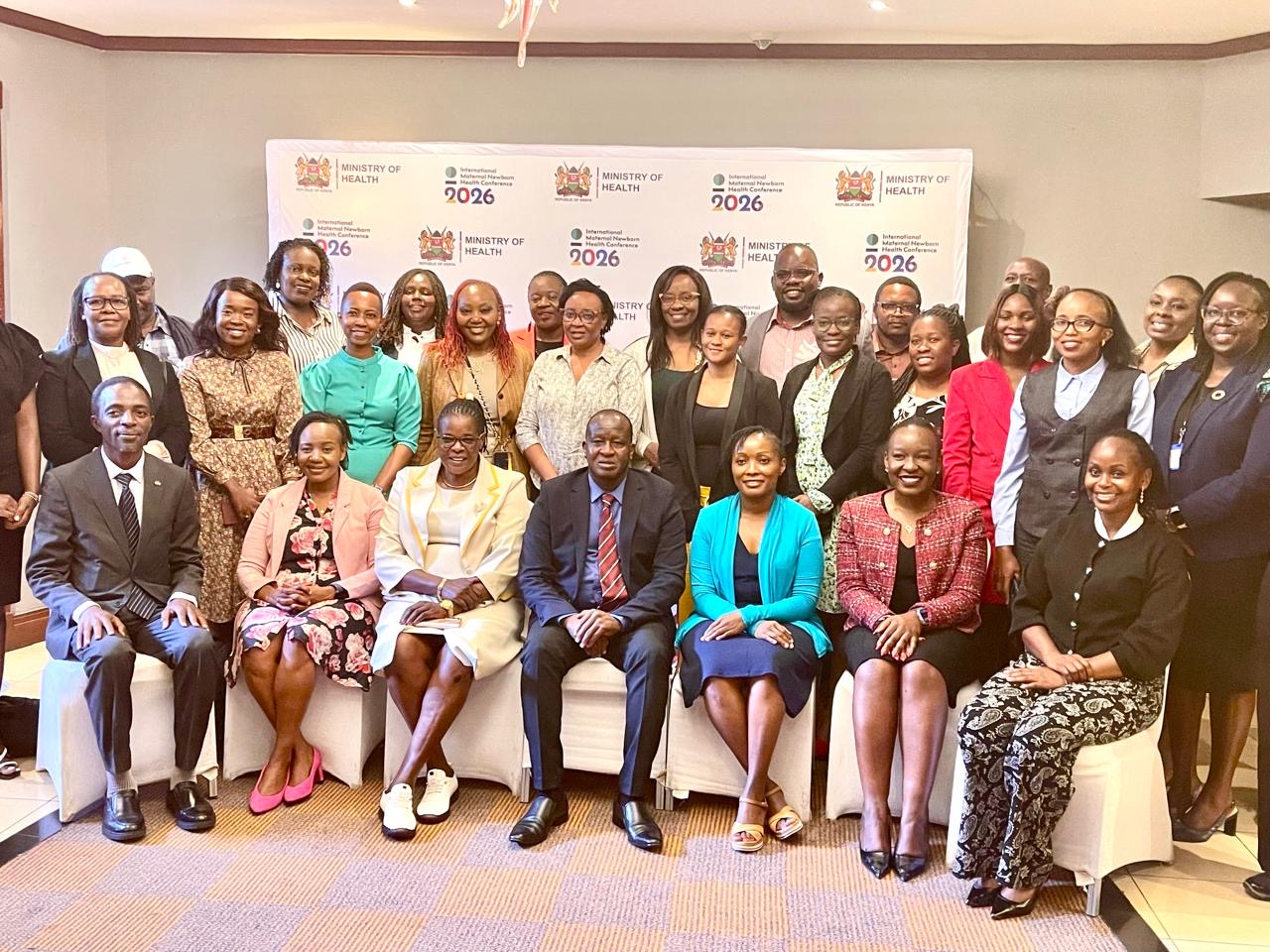
The media briefing featured strong multi-sectoral collaboration, with key partners and technical experts in attendance.
Among them are Dr Njeri Nyamu of Jhpiego and AlignMNH, Luigi D’Aquino of UNICEF, and Dr Juliet Omwoha, Lead for Child Health at the Ministry of Health. Their presence underscores the shared commitment to advancing maternal and newborn health.
As the conference unfolds in Nairobi, the urgency is clear: preventable maternal and newborn deaths demand immediate, coordinated action.
Kenya’s leadership, combined with global solidarity, sets the stage for renewed momentum toward saving lives and achieving the Sustainable Development Goals.