


Sh3.5bn released to revamp tea factories, raise income
ABSALOM NAMWALO-KNA
Tea farmers are optimismistic following the government’s rollout of sweeping reforms, supported by a Sh3.5 billion investment aimed at modernizing tea factories, enhancing value addition, and increasing farmers’ earnings.
The ambitious plan, unveiled at the Olenguruone Tea Factory in Nakuru County, signals a decisive shift from raw exports toward a diversified, high-value tea industry aligned with global standards. \
Presiding over the issuance of a corporation certificate to the Olenguruone Tea Factory, Agriculture Principal Secretary Dr. Kiprono Rono underscored the government’s commitment to farmer welfare.
He announced a new price of Sh26 per kilo of green leaf, up from Sh16, and set a bold target of Sh100 per kilo by 2027.
“We are implementing reforms to tackle low auction prices, high production costs, and limited value addition.
"Our farmers must earn what they deserve,” Dr. Rono declared, warning the Kenya Tea Development Agency (KTDA) Board against corruption and mismanagement of factory funds.
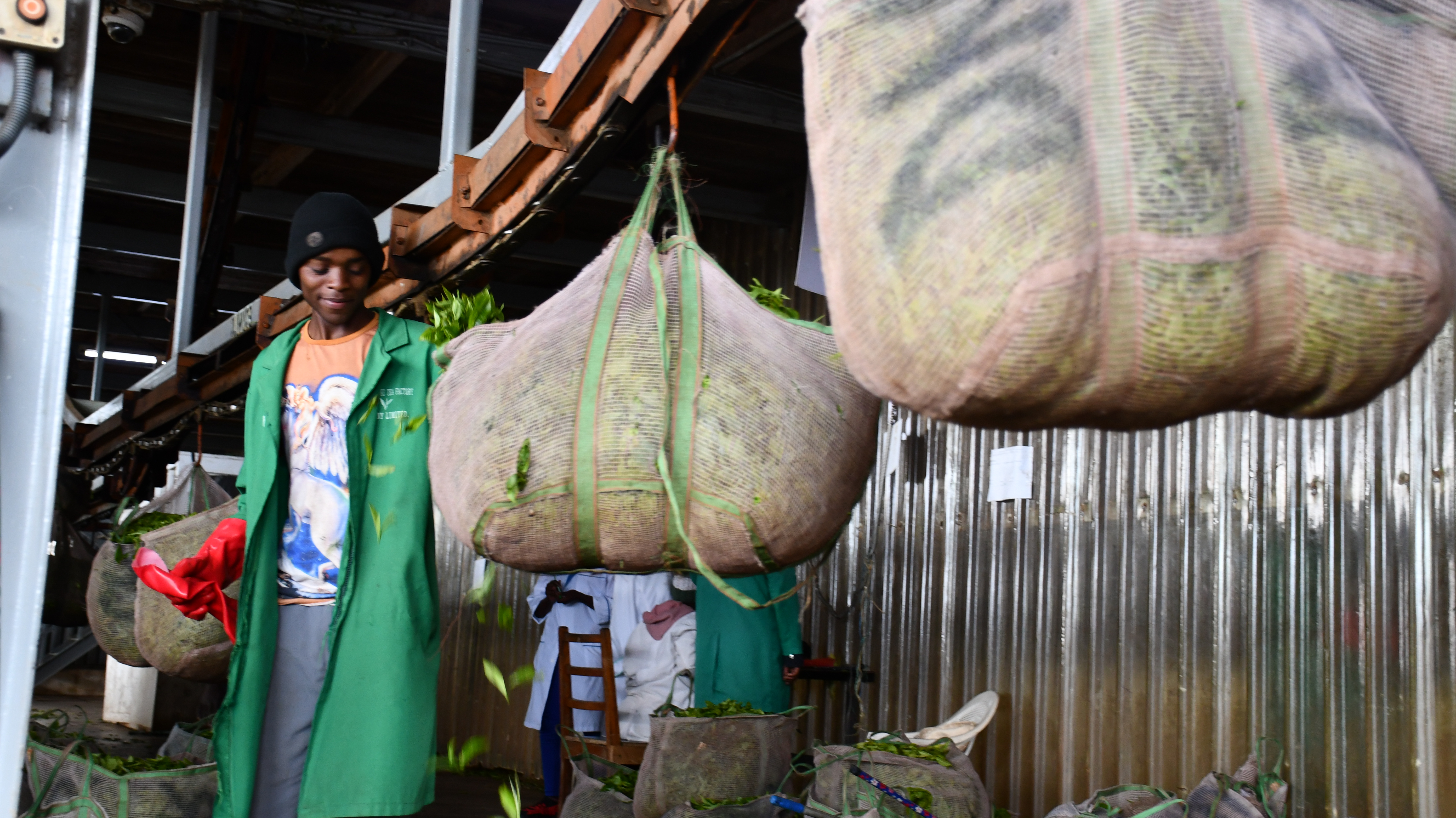
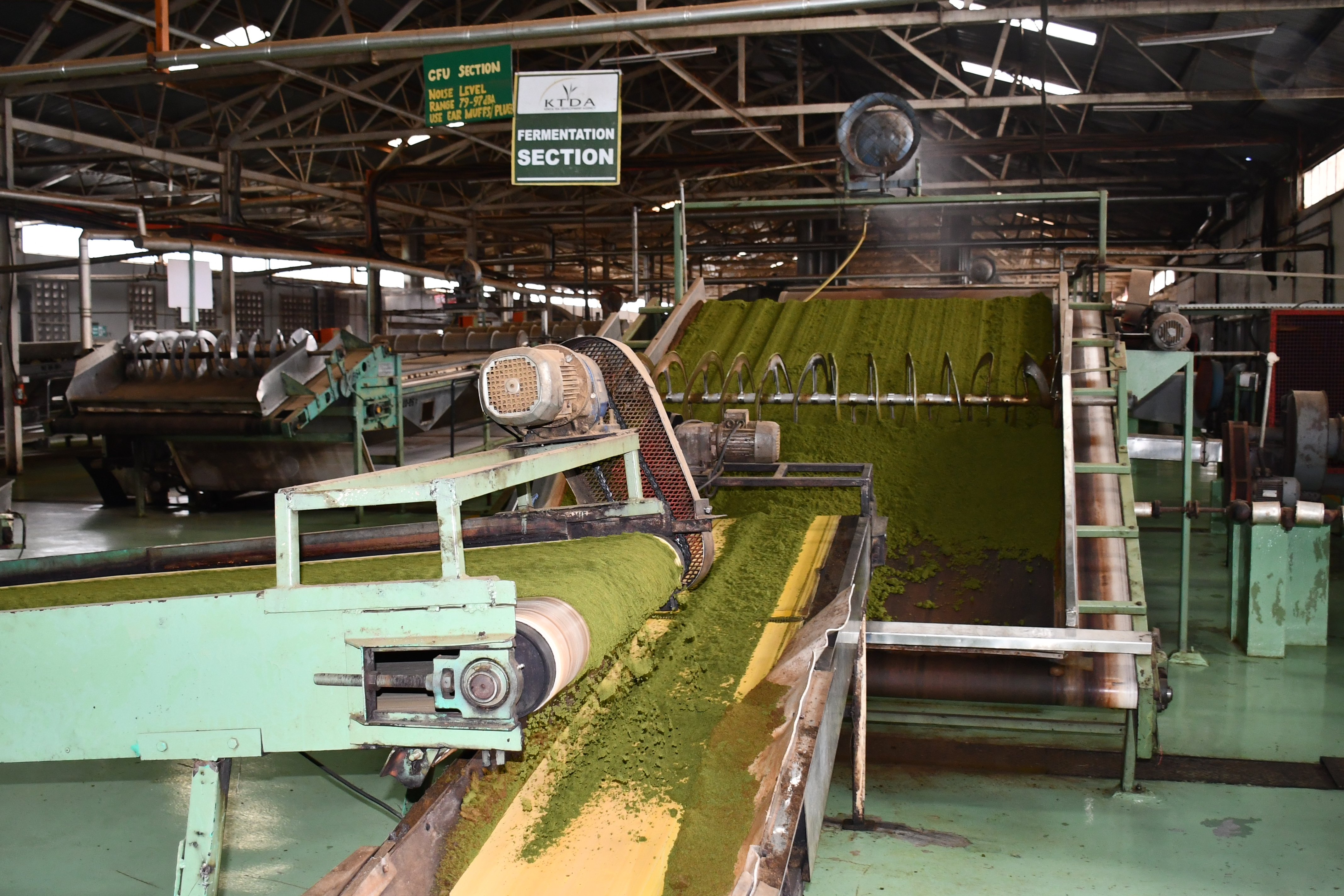
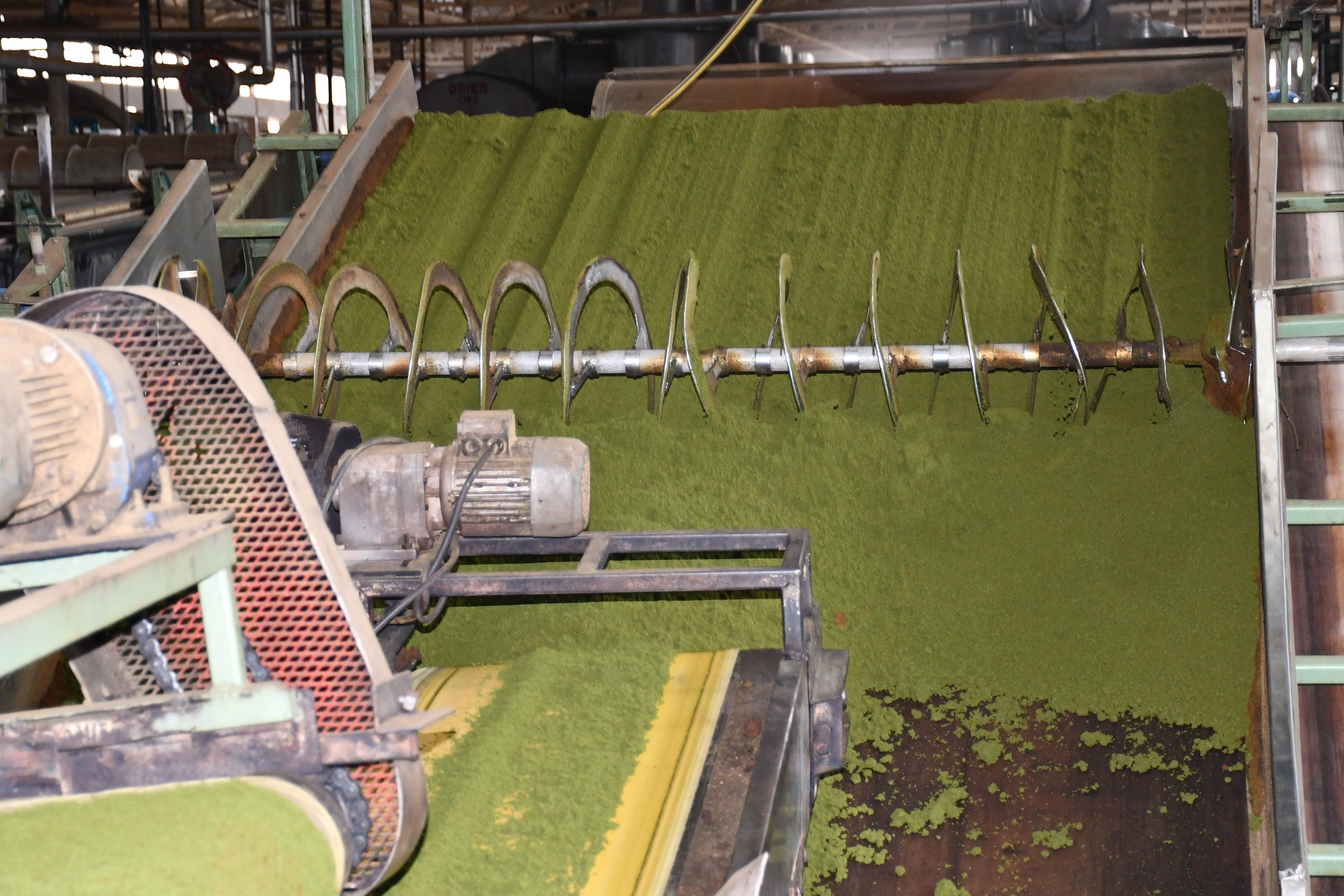
The Sh3.5 billion investment will refurbish 19 tea processing factories, equipping them with modern technology to enhance efficiency, improve quality, and lower production costs.
Dr Rono challenged factories to embrace value addition and diversification, particularly Orthodox tea production, which fetches premium prices in international markets.
“We must shift from exporting raw tea to producing value added varieties that meet global demand,” he said.
Under the reforms, KTDA factories will sign service level agreements to guarantee farmers high quality services.
Factories will also gain autonomy to conduct direct sales, cutting out middlemen and ensuring price transparency. “Autonomy means freedom to negotiate better deals. Farmers will finally see the benefits of their sweat,” Rono emphasized.
He said that payments to farmers will be streamlined through digital platforms, while VAT on tea exports has been scrapped to improve competitiveness.
Dr Rono stressed that directors must spend more time in the field to ensure factories meet international standards.
“We must embrace modern and digital technology to satisfy our international consumers, who remain our primary target,” he said.
Tea Board of Kenya’s Willy Mutai echoed the PS’s sentiments, urging factories to invest in scientific research and enhance processing standards.
He noted that reforms focusing on quality, market diversification, and industry revitalization would strengthen Kenya’s bargaining power at the Mombasa auction.
“Consistent green leaf quality, especially from western Kenya, is critical to attracting premium buyers,” Mutai observed.
Mutai explained that new regulations will enforce payment timelines, with 50 percent of dues paid upfront and the balance within three months.
This, he said, will ease cash flow challenges and ensure farmers are paid promptly. He added that the government aims to ensure at least 40 percent of Kenya’s tea is value added locally, rather than exported in bulk.
“Currently, 95 per cent of our teas are exported in packed form. We are engineering reforms to ensure nearly half of our production is value added within the country,” he said.
By modernizing factories, diversifying products, and enforcing transparency, the government hopes to transform tea from a bulk export commodity into a premium product commanding higher prices globally.
The ultimate goal is to secure better bonuses and sustainable livelihoods for the thousands of smallholder farmers who form the backbone of Kenya’s tea industry.
As the Olenguruone factory received its autonomy certificate, for decades, the farmers have grappled with low returns despite Kenya’s reputation as one of the world’s leading tea exporters.