New bill seeks to boost livestock quality, safety
MERCY OSONGO-KNA
A new bill aims to strengthen Kenya’s livestock sector by opening up premium markets for livestock products.
If passed, the Animal Identification and Traceability (ANITRAC) Bill, 2026, will provide farmers with a modern, data-driven system for animal identification, registration, and traceability, while also facilitating disease surveillance to help eradicate livestock diseases.
The bill, currently undergoing public participation, also seeks to improve the quality and safety of animals and animal products.
It seeks to increase producer access to credit and animal insurance facilities using animals as collateral.
Domiciled at the Ministry of Agriculture and Livestock Development, the implementation of the proposed bill will be coordinated by the Cabinet Secretary, Director of Veterinary Services, county governments and the County Director of Veterinary Services.
The Cabinet Secretary will mobilise resources, provide policy direction and formulate the National Animal Identification and Traceability Strategy while the Director of Veterinary Services will act as the competent authority for applying animal identification and traceability guidelines and ratified treaties and conventions, and standards on animal identification and traceability under the act.
On the other hand, county governments will be expected to develop county policies on animal identification and traceability, implement strategy on animal identification and traceability, mobilise resources for the implementation of the act, and oversee integration of the county systems into the National ANITRAC System.
According to the bill, the proposed establishment of the ANITRAC system will support the application of identification devices on animals individually or in batches, electronic transcription of identification codes using readers, and use of transmission devices to upload information to the central database.
The ANITRAC system will have a central database- the animal identification and traceability database, which shall capture prescribed animal identification information.
The Kenya National Livestock Research Agenda (2025-2035) by the Ministry of Agriculture indicates that the country’s livestock sub-sector contributes to 42 per cent of the agricultural gross domestic product (GDP), and 12 per cent to the national GDP while accounting for over 30 per cent of the total marketed agricultural products.
Currently, Kenya is required to comply with sanitary and phyto-sanitary (SPS) standards while exporting meat and live animals to the Middle East, European Union, and the United States.
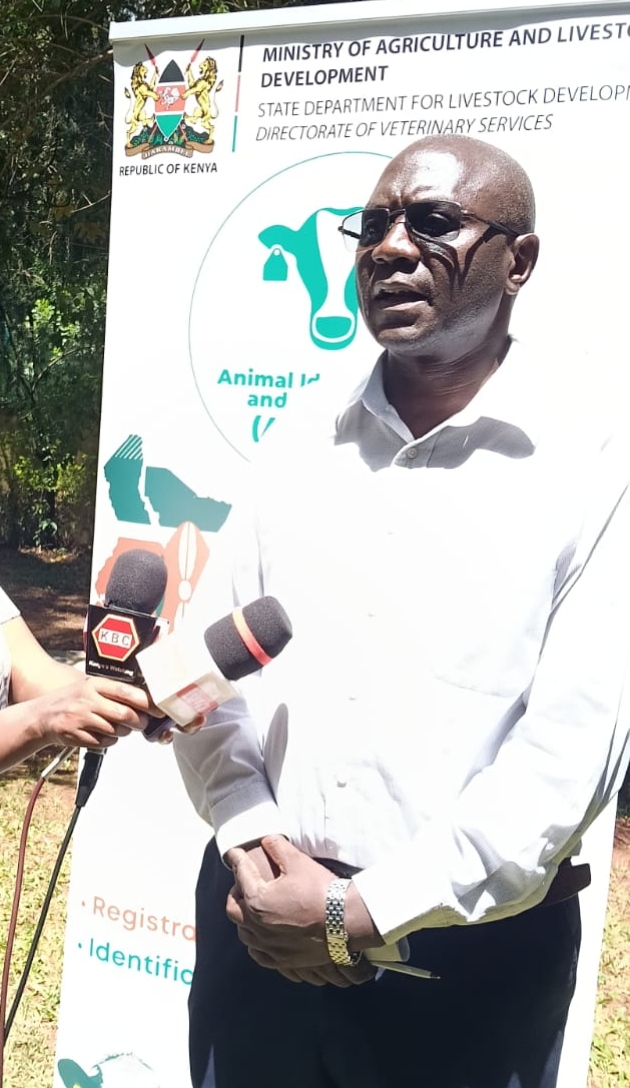
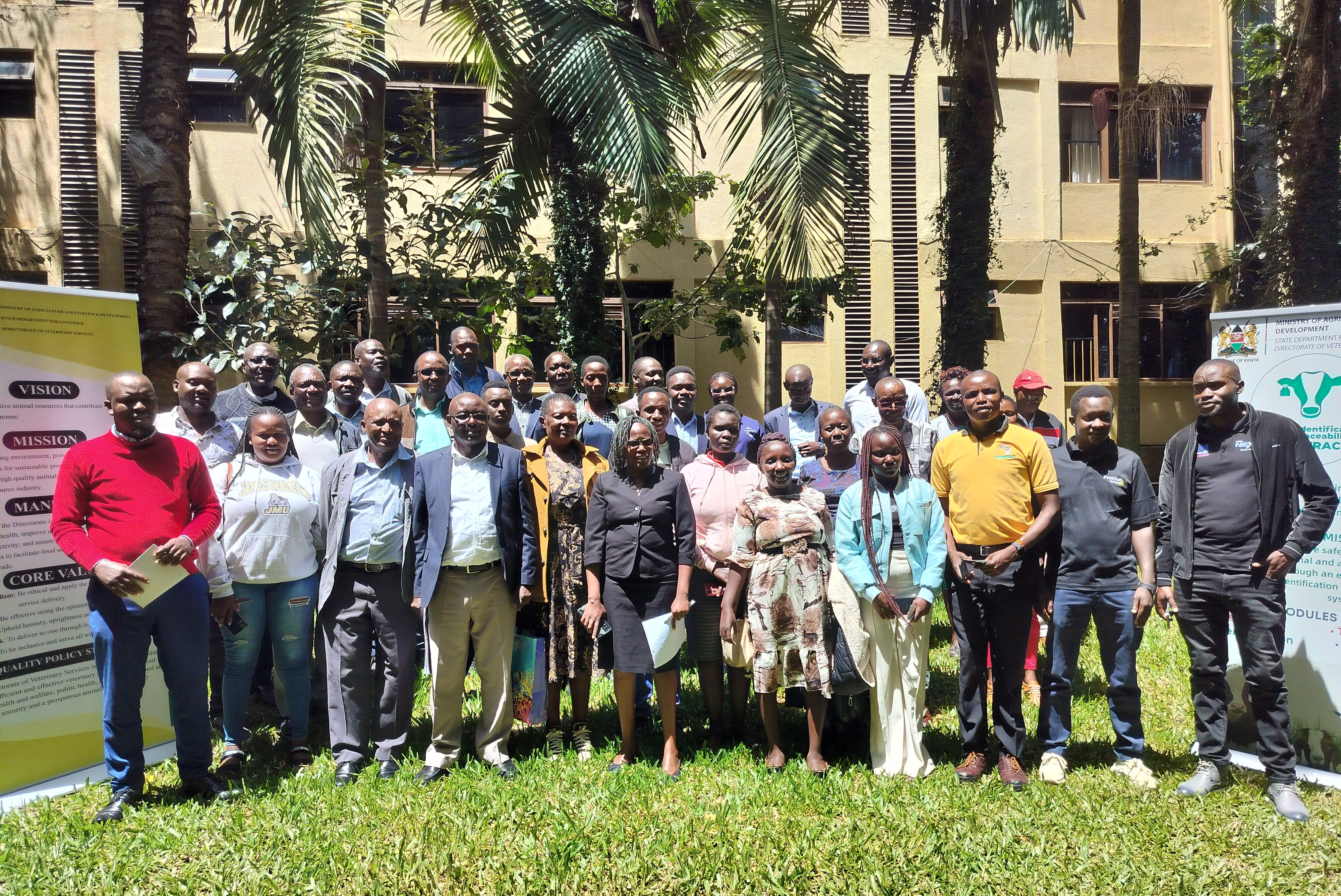
Speaking during a public participation exercise for stakeholders from Kisii, Nyamira, Migori and Homabay counties in Kisii town, Senior Deputy Director for Livestock Policy, Research and Regulations at the State Department for Livestock Development, Dr William Akwimbi, said the bill will enable farmers to leverage new technologies to identify and register livestock as well as enhance access of the livestock to international markets.