
Biosafety and diagnostic facility for rabies control unveiled in Turkana
Cindy Okubo (PCO)
The Turkana County Veterinary Laboratory is set to be upgraded into a Level II Biosafety and Diagnostic Facility and a Centre of Excellence for rabies surveillance and control, the Director of Veterinary Services, Dr Allan Azegele, has said.
The upgrade is expected to strengthen disease surveillance and diagnostic capacity in Turkana and neighbouring counties, as well as serve the wider region, including Uganda, South Sudan and Ethiopia.
Dr Azegele spoke during a tour of Turkana County to assess ongoing national veterinary programmes and projects implemented by the Kenya Women Veterinary Association (KWVA) over the past five years.
He said the upgraded laboratory would be accredited to undertake specialised diagnostic tests for priority livestock and zoonotic diseases, including Peste des Petits Ruminants (PPR), Contagious Caprine Pleuropneumonia (CCPP), rabies and hydatidosis.
“Government intends to upgrade the laboratory to a Level II Biosafety and Diagnostic Facility to serve counties in the region and the three neighbouring countries of Uganda, South Sudan and Ethiopia,” said Dr Azegele.
He noted that the facility would subsequently be linked to the national laboratory network to enhance coordination, management and utilisation of diagnostic services.
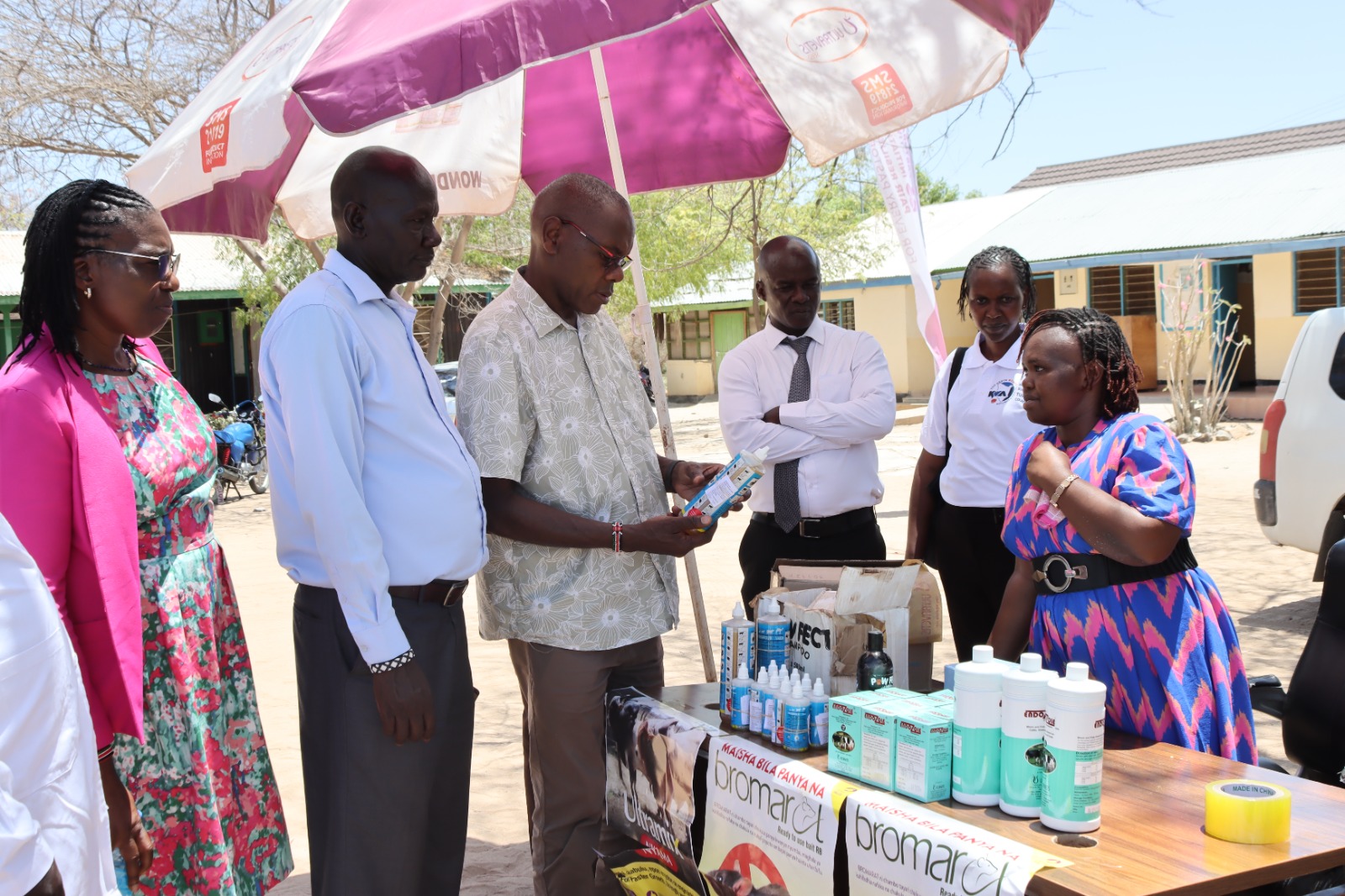
Dr Azegele also inspected an ongoing three-day campaign aimed at controlling rabies and hydatidosis in Turkana County.
The Chief Officer for Livestock Development, Mr Peter Ikaru, welcomed the national Government's support, assuring the Director that the county would continue working closely with the national Government in implementing ongoing and future livestock development programmes.
Mr Ikaru said the county was also aware of plans to revive the Turkana Tannery and Lomidat Abattoir, which are expected to support the transformation of the livestock sector into a commercial enterprise.
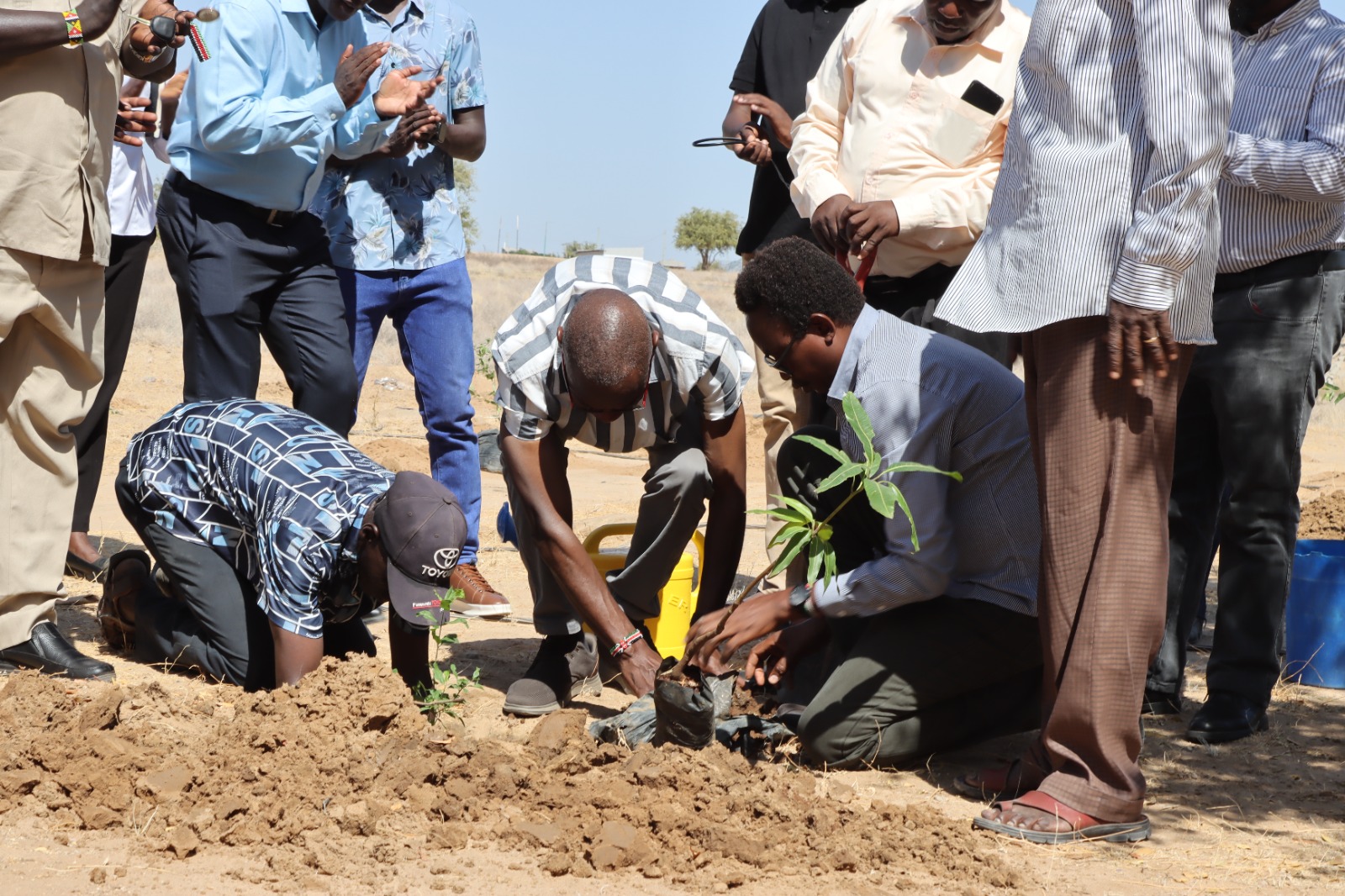
During the visit, Dr Azegele toured various sections of the veterinary laboratory, including bacteriology, cold chain and sterilisation, parasitology, serology, haematology and post-mortem units. He and his team also planted trees at the laboratory compound as part of environmental conservation efforts.
Dr Azegele also called for the establishment of a Faculty of Veterinary Sciences at Turkana University College, saying the institution would help address the shortage of veterinary personnel in the county and strengthen the fight against zoonotic diseases.
Speaking during a mentorship programme for final-year students organised by KWVA at the university, Dr Azegele noted that Turkana has a large livestock population and relies heavily on pastoralism, but continues to face a shortage of veterinary professionals.
He said training local students would help build a pool of professionals who understand the pastoralist community and can address animal and zoonotic diseases at source.
Turkana University College Principal, Prof George Chemining’wa, said the institution was ready to introduce veterinary training once it receives its charter.
“Once we get the charter, we will start with certificate courses, later introduce diplomas and eventually develop a fully-fledged faculty,” said Prof Chemining’wa.
He said veterinary training would complement other science programmes being developed to respond to the needs of the local community, including natural resources, agriculture, environmental science and renewable energy, agricultural economics, agricultural education and community health.
Prof Chemining’wa commended KWVA and the Director of Veterinary Services for mentoring final-year students and preparing them for professional life.
KWVA Chairperson, Dr Anima Sirma, said the Turkana Rabies and Hydatidosis Control Project, initiated in 2022 and running until 2026, had made significant progress in improving veterinary service delivery in the county.
She said the project had vaccinated more than 1,000 animals against rabies, treated over 250 donkeys and sterilised 240 animals over the past five years.
Dr Sirma attributed the achievements to collaboration between KWVA, the County Government of Turkana and development partners supporting veterinary service delivery.
She said the adoption of the One Health approach, which brings together animal, human and environmental health stakeholders, had also been critical in addressing zoonotic diseases.
Dr Sirma added that KWVA had continued to mentor learners in primary, secondary and tertiary institutions, contributing to increased awareness and positive behavioural change on animal health and zoonotic diseases.