

How a Vihiga family overcame the hidden struggles of mental illness
KELLY BARASA-KNA
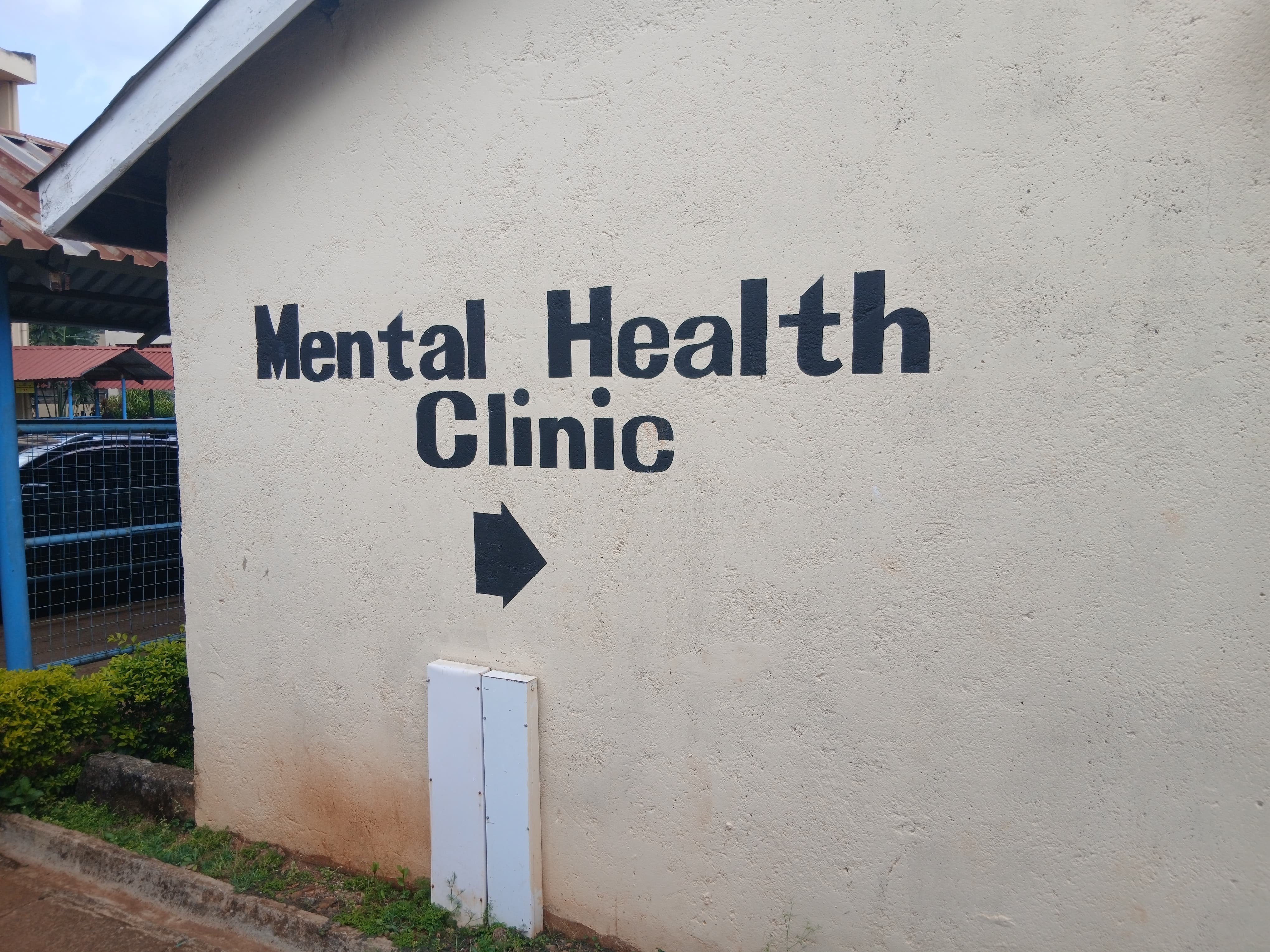
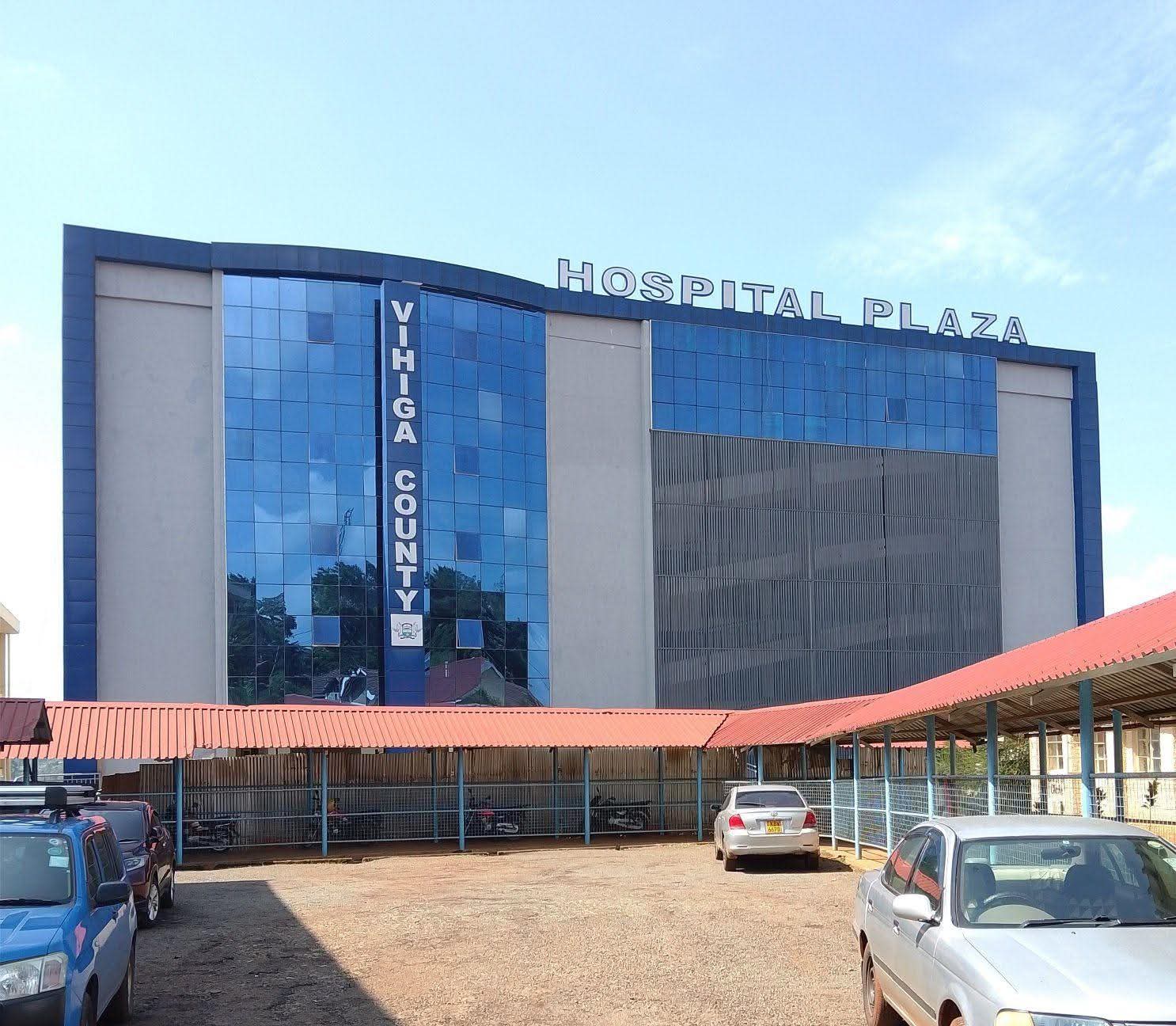
The waiting area outside the Mental Health Clinic at Vihiga Teaching and Referral Hospital (VTRH) is quiet, yet every patient seated there carries a story that is rarely told.
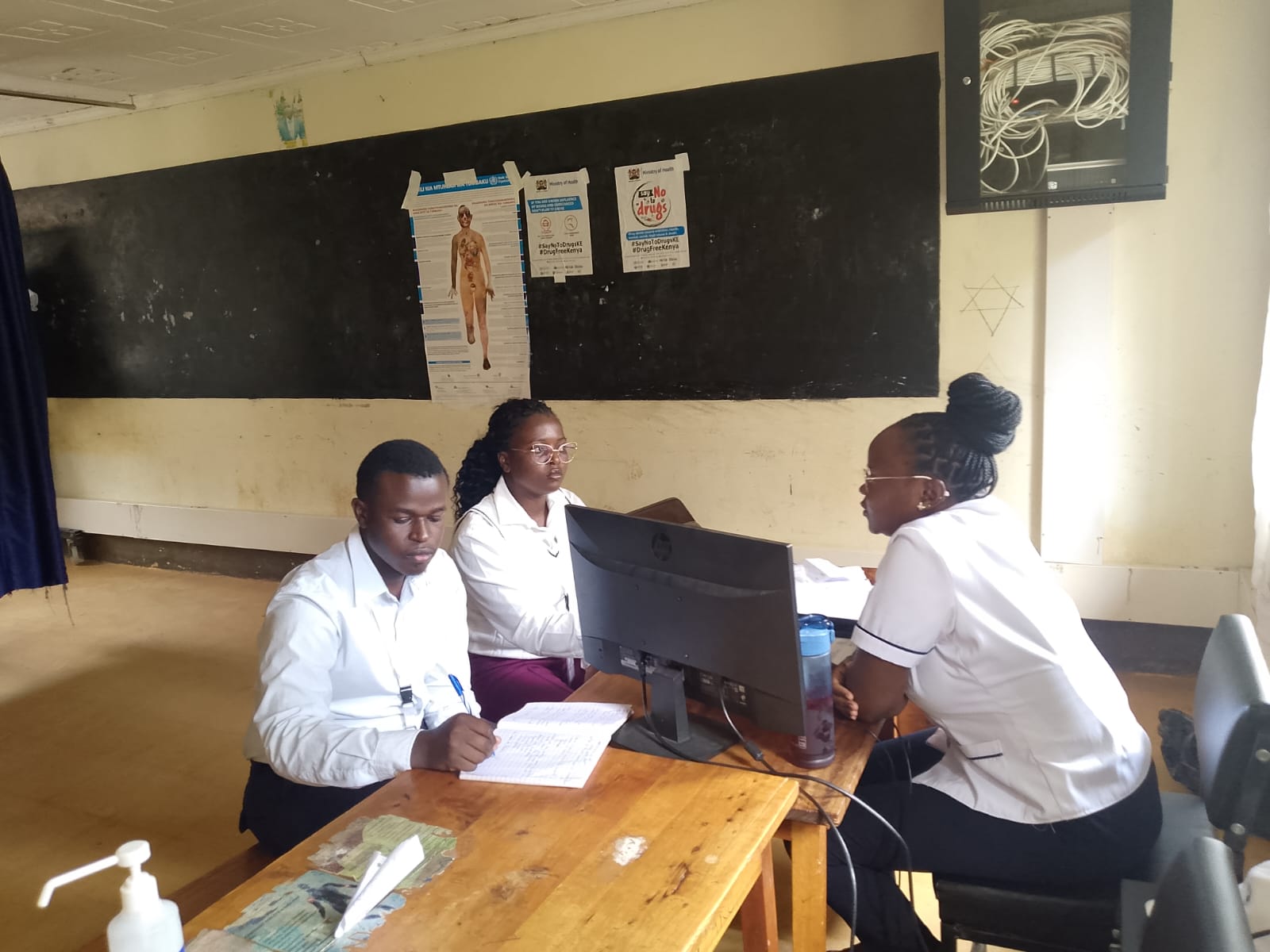
Some are accompanied by anxious family members, while others sit silently, waiting for their turn to meet specialists who have become a source of hope on their journey to recovery.
Behind every consultation room lies a battle against depression, anxiety, psychosis, stress and other mental health conditions.
These struggles are often fought in silence due to stigma, fear and widespread misconceptions surrounding mental illness.
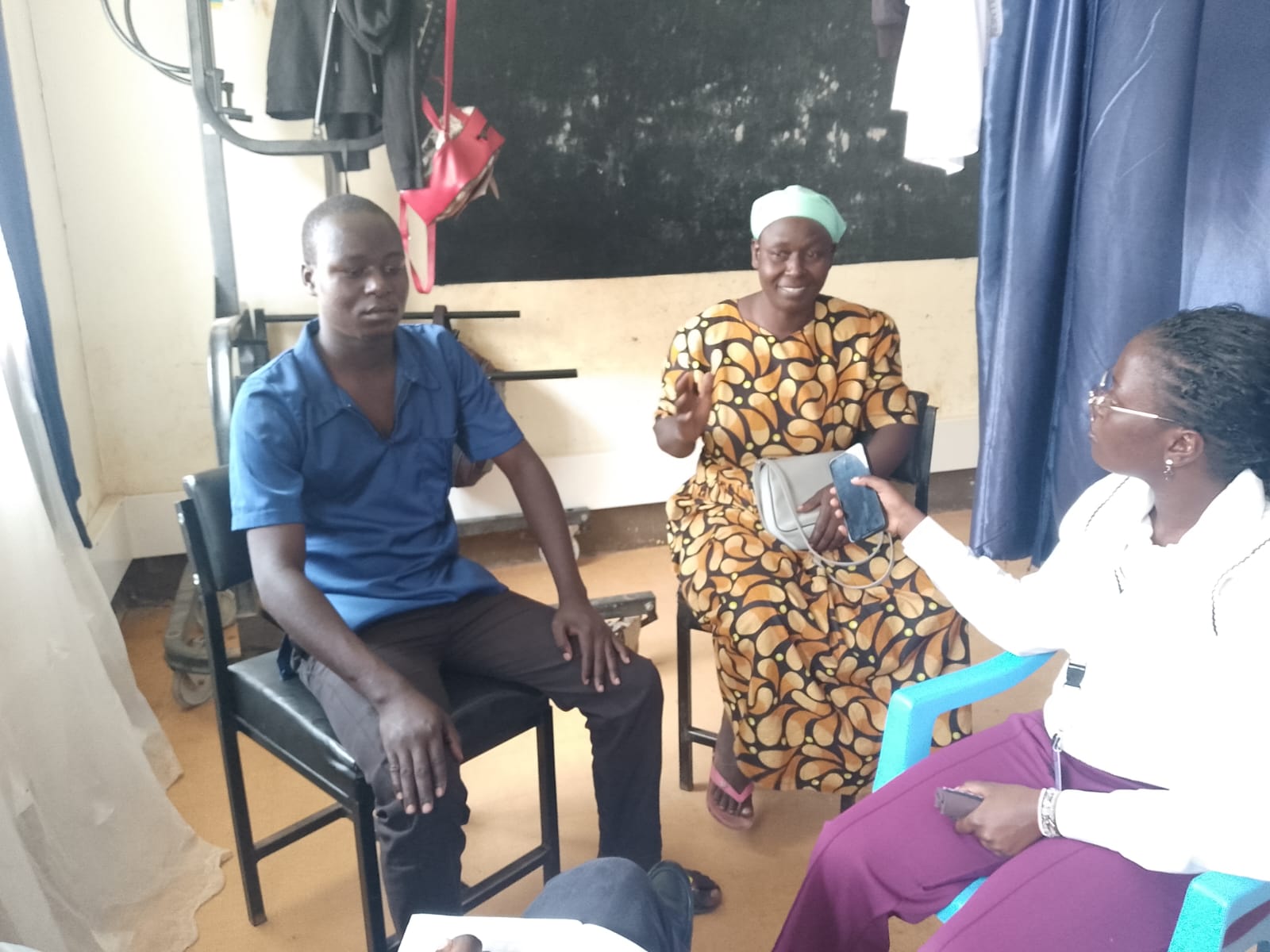
Among those waiting for review is 19-year-old Isaac Chabeda from Busamu Village in Vihiga County.
Seated beside his mother, Margaret Kadara, Isaac appears calm and composed.
Looking at him today, it is difficult to imagine that just over a year ago, his family feared they were losing him to a condition they could neither understand nor explain.
Speaking to the Kenya News Agency (KNA) during a clinic review at Vihiga Teaching and Referral Hospital, Kadara recounted how her son’s ordeal began in March 2025 while he was in Form Four.
“It all started after he recovered from severe malaria. We thought everything was fine until he began complaining of persistent headaches, dizziness and unexplained stress. At first, we assumed it would pass,” she recalled.
However, as the weeks went by, Isaac’s condition gradually deteriorated. “He lost his appetite, isolated himself from others and became easily irritated during ordinary conversations.
Teachers at his school also began reporting noticeable changes in his behaviour.” Like many parents, Kadara initially struggled to understand what was happening.
“I wondered whether he had started using drugs because his behaviour had completely changed, but he kept denying it, and I believed him,” she said.
The turning point came one night when Isaac suddenly became restless, jumping uncontrollably around the house while asleep.
The family managed to calm him before seeking medical attention the following morning. His condition continued deteriorating.
He occasionally talked to himself and at one point attempted to jump off a moving motorcycle while travelling with relatives.
The family first sought treatment at Mulele Hospital before he was referred to VTRH, where he has continued receiving specialised mental healthcare through medication, counselling and therapy.
Despite the difficult journey, Kadara says the gradual improvement has given the family renewed hope.
“He even managed to sit for his KCSE examinations despite everything he had gone through. Sometimes the symptoms become severe again, but because of the medication, counselling and regular clinics, we are able to manage the situation,” she said.
She says caring for a person living with mental illness demands constant attention.
“I cannot leave him alone because he requires close supervision. The treatment is also expensive and sometimes difficult to sustain,” Kadara says, adding that besides the financial burden, the family has had to endure stigma from sections of the community.
“Some people believe it is witchcraft or a curse instead of understanding that mental illness is a medical condition. That has been very painful for us,” she said.
She nevertheless expressed gratitude to the healthcare workers at VTRH for their commitment and professionalism.
“I appreciate the doctors, nurses and counsellors because they have walked this journey with us. Without them, I do not know where we would be today,” she said.