
Health-centred infrastructure key to safer communities
Judy Sheri-PCO
Architects, engineers, planners, and quantity surveyors have been urged to place health, dignity, inclusion, and resilience at the heart of infrastructure development, as the built environment plays a critical role in shaping public health outcomes and community wellbeing.
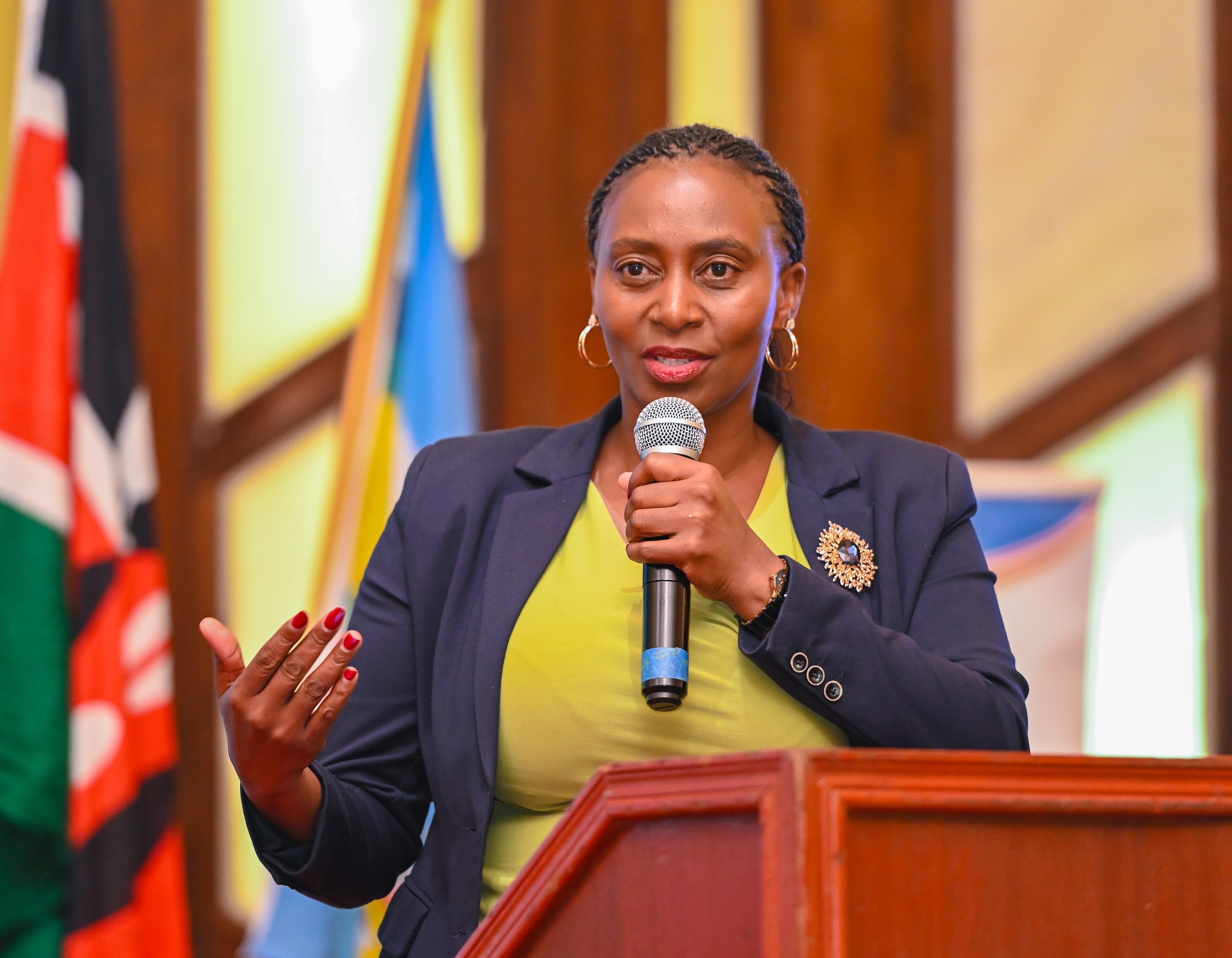
Speaking during the opening of the Board of Registration of Architects and Quantity Surveyors Continuous Professional Development Seminar in Nairobi, the Principal Secretary for Public Health and Professional Standards emphasized that the design of buildings, roads, hospitals, schools, and public spaces directly influences the health, safety, productivity, and quality of life of communities.
The two-day seminar, themed “Health, Dignity and Inclusion in the Built Environment,” brought together professionals to explore how infrastructure can advance healthier, safer, and more inclusive societies.
She warned that poorly designed environments continue to fuel disease outbreaks, respiratory illnesses, injuries, poor sanitation, and compromised learning and healthcare outcomes, underscoring the need to integrate public health considerations into planning and construction.
“The built environment is not merely about structures and aesthetics; it is fundamentally about life, health, safety, and dignity,” she said.
The Principal Secretary noted that global health systems are shifting focus from treatment to prevention, adding that investments in healthier infrastructure, sanitation, safe housing, and climate-resilient public spaces reduce future healthcare costs while boosting resilience and national productivity.
She urged professionals to prioritize natural lighting, proper ventilation, thermal comfort, accessibility, safety, and inclusive public spaces in all projects, while aligning development with Ministry of Health standards, the National Building Code, and Kenya’s climate adaptation priorities.
She stressed the importance of universal access and gender-sensitive design, saying infrastructure must equitably serve children, women, older persons, and persons living with disabilities.
She encouraged adoption of emerging concepts such as trauma-informed and neuro-inclusive design, noting that physical environments can either support healing and emotional wellbeing or contribute to stress and anxiety.
Collaboration between public health experts, architects, engineers, planners, quantity surveyors, and policymakers, she said, is essential to deliver infrastructure that protects lives, promotes wellbeing, and supports sustainable development.
Healthier built environments, she added, are critical not only for disease prevention but also for improving educational outcomes, patient safety, social inclusion, and long-term economic growth.
The seminar is expected to strengthen cross-sector collaboration and deepen professional engagement on integrating health and human wellbeing into the planning, design, construction, and management of Kenya’s built environment.