
Coffee revival gathers pace as production rises
WANGARI NDIRANGU-KNA
The Government, through the New Kenya Planters’ Cooperative Union (New KPCU), has intensified efforts to revive the country’s coffee sector, with early results indicating steady progress in production, farmer participation and market performance.
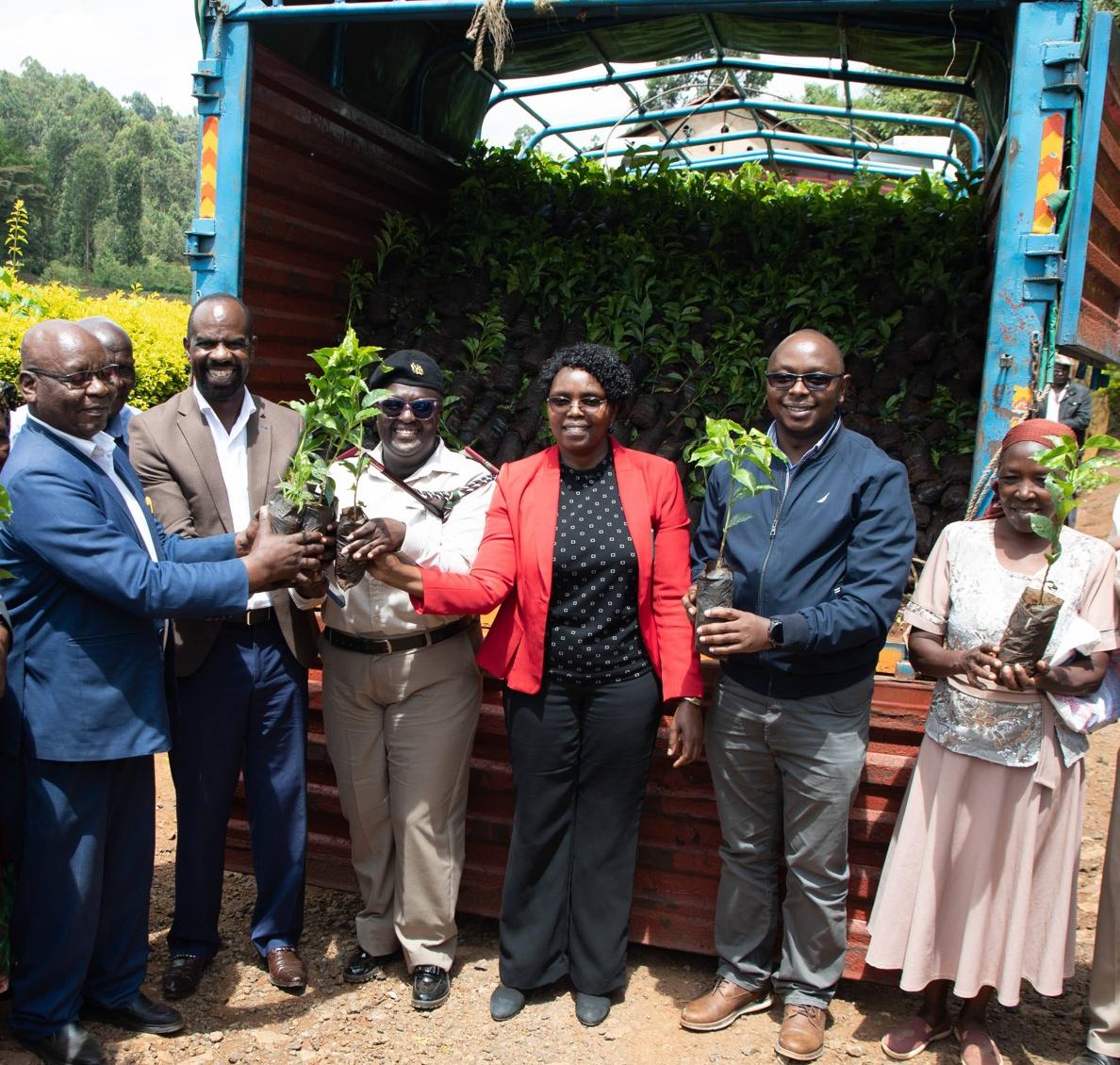
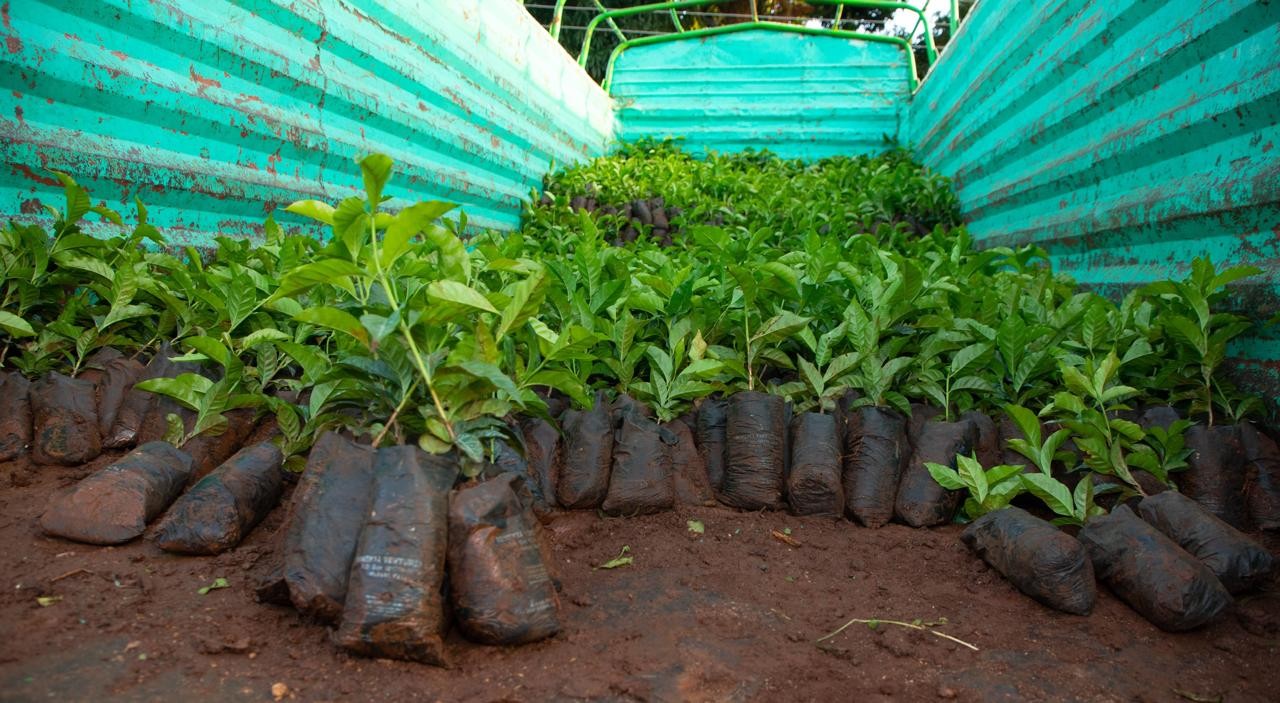
At the centre of the initiative is a nationwide coffee seedling distribution programme targeting more than 20 million certified seedlings.
The ongoing exercise is expected to benefit over 200,000 farmers across the country.
So far, more than 1.4 million seedlings have been distributed in 17 counties, reaching over 11,000 registered farmers.
By the end of the current planting season, the number is projected to rise to approximately 1.7 million seedlings.
The distribution forms part of a broader, intensive three-year coffee sector revival programme, aimed at restoring Kenya’s position as a leading global coffee producer, while significantly increasing farmer earnings.
The programme seeks to boost productivity from an average of about 2 kilograms to as much as 20 kilograms per tree.
Led by the Ministry of Cooperatives and MSMEs and implemented by New KPCU, the initiative focuses on structural reforms, direct farmer payments and subsidized inputs to enhance productivity and eliminate exploitative intermediaries.
According to the 2026 progress update, New KPCU Managing Director Timothy Mirugi said the programme is firmly on track and already delivering measurable results nationwide.
Anchored on cooperative societies, the initiative is driving a structured transformation across the coffee value chain restoring confidence among farmers, strengthening participation and repositioning the sector for sustainable growth.
Since its rollout, the programme has expanded to 34 coffee-growing counties through coordinated sensitization and mobilization campaigns.
This wide-reaching engagement has brought thousands of farmers back into coffee farming and revitalized cooperative societies, as key drivers of the industry.
A key pillar of the programme is the Ward Champion Programme, a grassroots framework designed to enhance service delivery at the local level.
Through ward-based champions, farmers are receiving improved access to extension services, better cooperative governance and support in adopting modern agronomic practices.
“This localized approach has been instrumental in rebuilding trust and driving participation across both traditional and emerging coffee-growing regions,” said Mirugi.
He noted that the strong uptake of seedlings reflects renewed farmer confidence in coffee farming, adding that the intervention is critical in expanding acreage, rejuvenating aging trees and accelerating production growth.
Traditional coffee-producing counties including Kirinyaga, Kiambu, Nyeri, Kericho, and Murang’a continue to anchor national output.