
213 hospitals benefit as state expands National Equipment Scheme
JOSEPH NG’ANG’A-KNA
The National Equipment Service Programme (NESP) rollout has so far delivered specialized medical equipment worth over Sh7.3 billion to 213 health facilities across 43 counties.
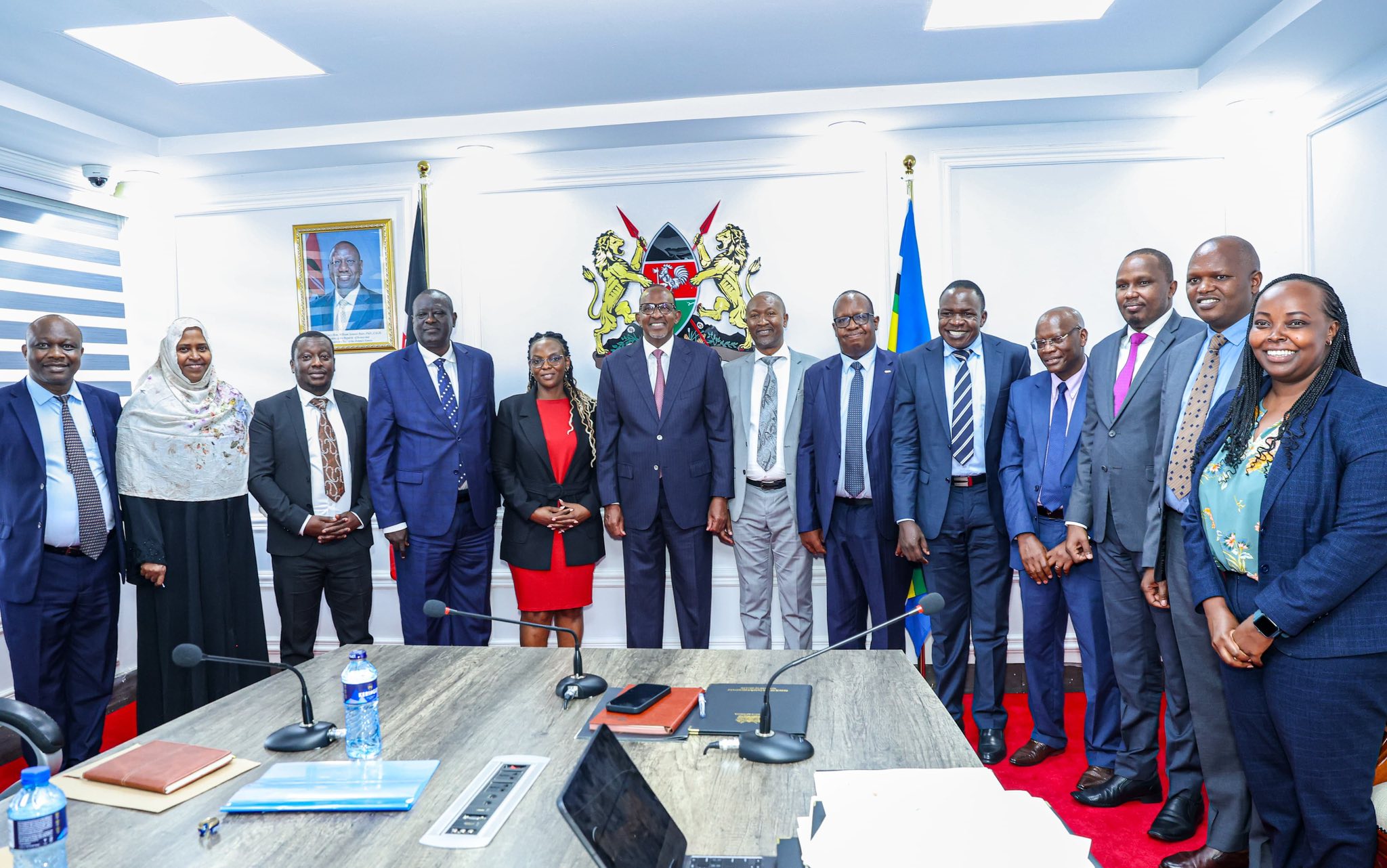
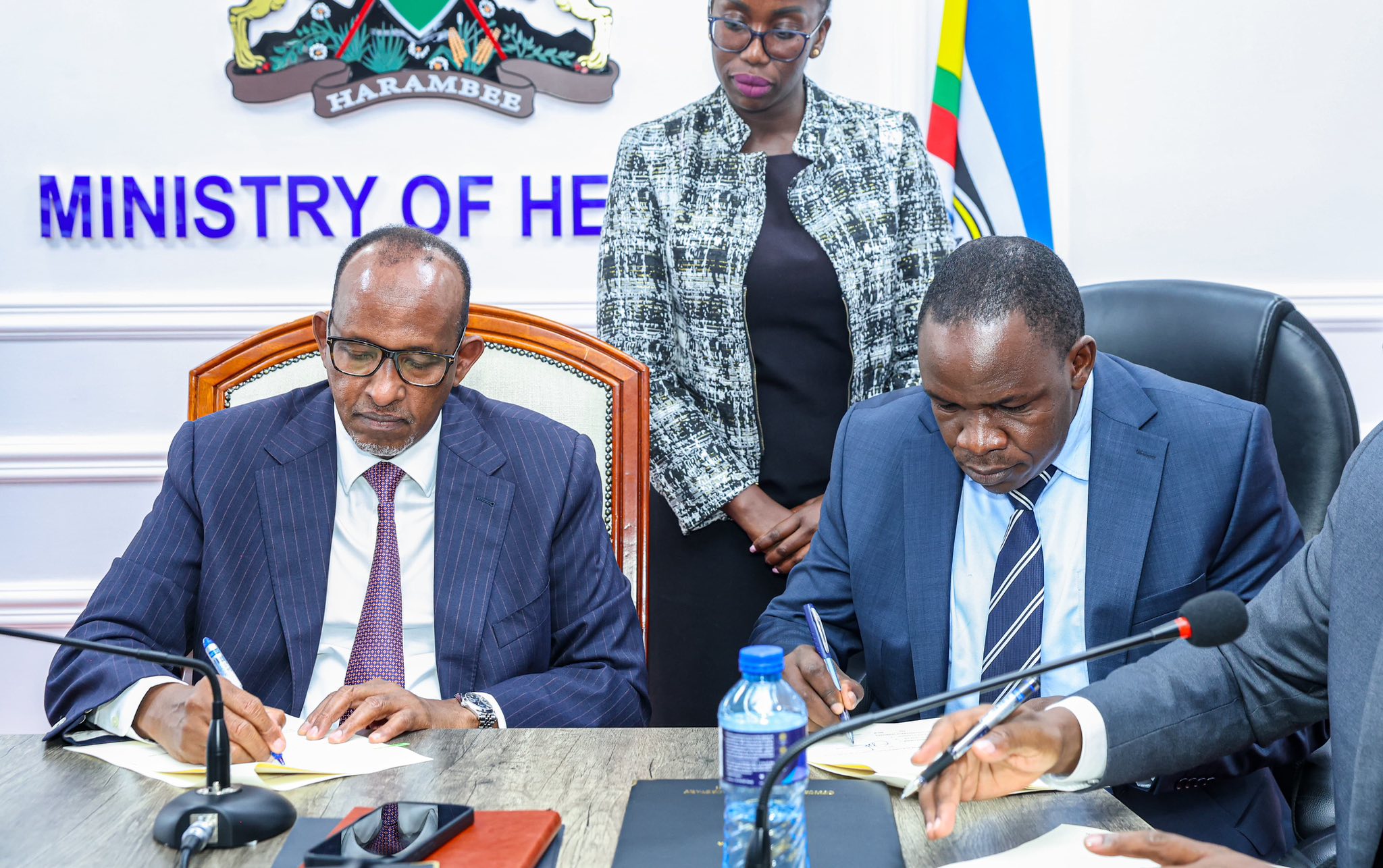
The initiative, launched by President William Ruto in August 2025, gained fresh momentum when Health Cabinet Secretary Aden Duale presided over the signing of a cooperation framework that brings together national referral hospitals, the Social Health Authority, and the Digital Health Agency.
The agreement, signed in Nairobi during a meeting with NESP vendors led by businessman Richard Ngatia, sets out a clear roadmap for coordination, accountability, and the deployment of advanced medical equipment nationwide.
It establishes institutional roles, joint planning, and integrated implementation, ensuring that the programme delivers impact at both national and county levels.
Speaking after the signing, Duale emphasized the urgency of the initiative, noting that the framework was designed to accelerate delivery and ensure that Kenyans benefit from modern healthcare.
“This framework is about speed, accountability, and results. We are determined to ensure that every Kenyan, regardless of location, has access to quality healthcare powered by modern equipment,” he said.
The CS pointed out that NESP operates under a fee-for-service model managed by the Ministry of Health in partnership with the Council of Governors.
“This approach is intended to guarantee sustainability while enhancing collaboration between national and county governments.
“Over its seven-year lifespan, the programme is expected to bridge longstanding gaps in specialized care, particularly at the grassroots level,” said Duale.
By equipping hospitals with dialysis machines, imaging technology, and other advanced tools, the CS disclosed that the initiative is reducing the need for patients to travel long distances for treatment and is improving the efficiency of healthcare delivery.
To reinforce implementation, Duale noted that the cooperation framework introduces a structured coordination mechanism that includes bi-weekly joint reviews, monthly vendor engagements, and a one-month Rapid Results Initiative to fasttrack delivery and clear bottlenecks.
“This system is expected to accelerate deployment and ensure that equipment is not only delivered but also installed, operational, and serving patients effectively,” said the CS.
The signing ceremony brought together key figures in the health sector, underscoring the national importance of the programme.
Among those present were Dr. Ouma Oluga, Principal Secretary for Medical Services; Isaac Kimani, NESP Coordinator; Khatra Ali, representing the Council of Governors; Anthony Lenayara, CEO of the Digital Health Agency; chief executives of national referral hospitals; and senior Ministry of Health officials.
Their collective presence signaled a united front in driving Kenya’s healthcare transformation. The CS said that by equipping county hospitals with specialized machines, the programme is reducing inequalities in healthcare access and ensuring that Kenyans in rural and marginalized areas benefit from the same quality of care as those in urban centers.
“This initiative has ensured faster diagnoses, better treatment options, and improved outcomes for patients whereas healthcare workers are able to access tools that enhance efficiency and effectiveness,” said Duale.
The CS said that with Sh7.3 billion already invested, the NESP is set to continue expanding its reach over the next seven years adding that as Kenya races toward its Vision 2030 health goals, the NESP stands out.