
15,000 farmers get hands-on training for high-yield beans
ESTHER MWANGI AND DENNIS RASTO-KNA
The Kenya Agricultural and Livestock Research Organisation (KALRO) is partnering with the International Center for Tropical Agriculture (CIAT) to train over 15,000 farmers in proper agronomic practices for the ‘Nyota’ bean variety.
The initiative aims to boost productivity, promote climate-smart farming, and help farmers cope with the impacts of climate change.
Supported by the Pan-Africa Bean Research Alliance (PABRA), the programme targets farmers from Njoro, Subukia, Rongai, Bahati, and Gilgil Sub-Counties.
It focuses on training farmers in cultivating high-yield, disease-resistant Nyota beans, post-harvest management, market linkages, and export standards.
Mr. Justin Mabeya Machini, Senior Research Associate at Alliance for Biodiversity-CIAT, said climate change has increased the prevalence of pests and diseases that were previously rare, negatively affecting bean yields and farmers’ incomes.
“The initiative ensures farmers not only improve production but also access favorable markets. We are encouraging aggregation of produce through cooperatives to strengthen bargaining power and secure bulk sales to processors and buyers,” Machini said.
He explained that KALRO is exploring the creation of a bean value chain where farmers supply processors who convert beans into consumable products, including bean flour and noodles, thereby adding value and avoiding exploitation by middlemen.
The training also includes familiarization with mandatory standards for local, regional, and European Union (EU) export markets. Machini noted this is crucial for tapping international markets.
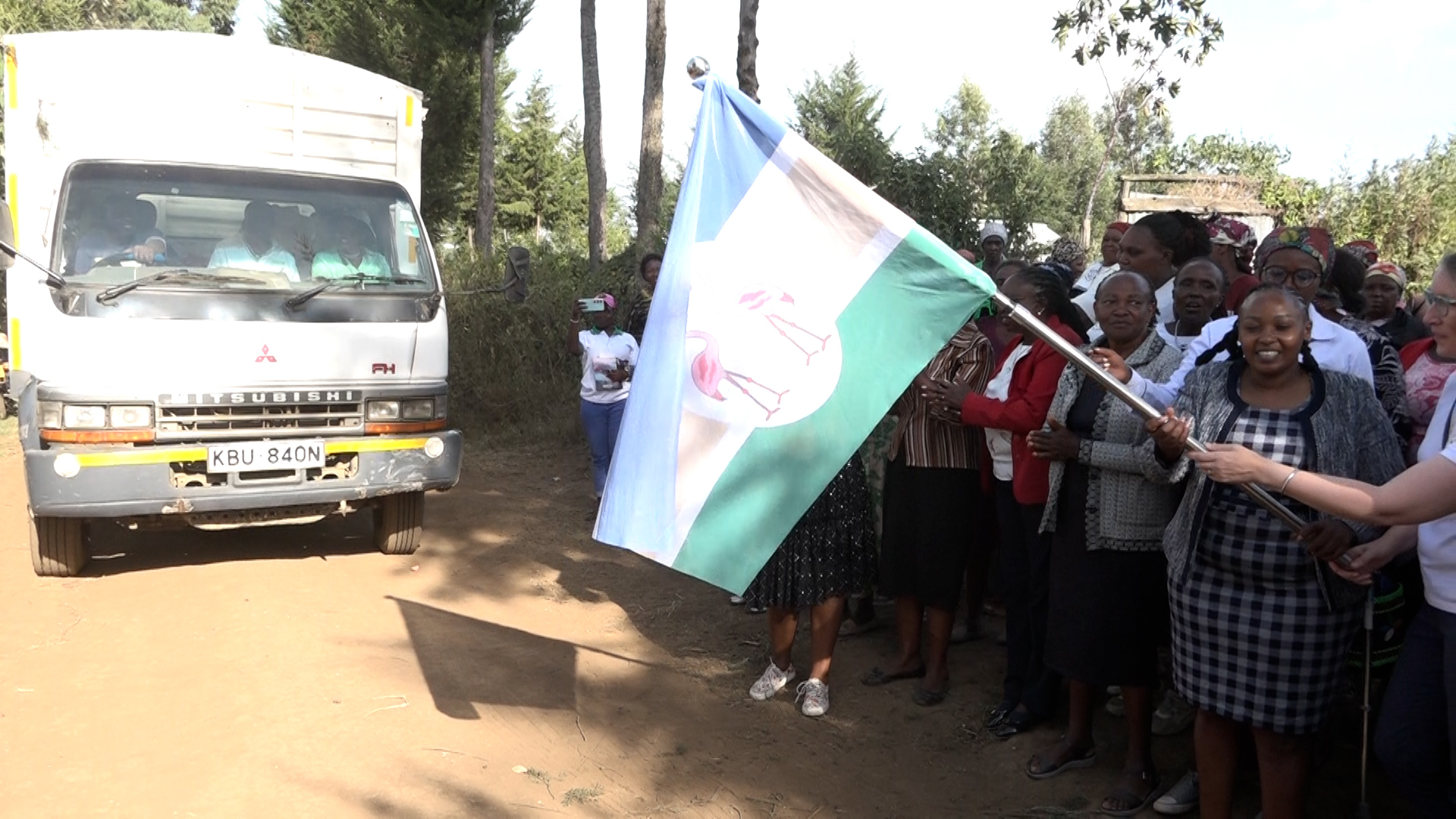
He spoke at Kiambogo Centre in Gilgil Sub-County during an event that saw the official flagging off of nine tonnes of beans produced by the Ushirikiano Women Group, a cooperative of over 100 agribusiness women.
The group has been linked directly to buyers, ensuring value addition and fair pricing. According to Machini, adoption of the Nyota bean variety is central to enhancing both yield and quality.
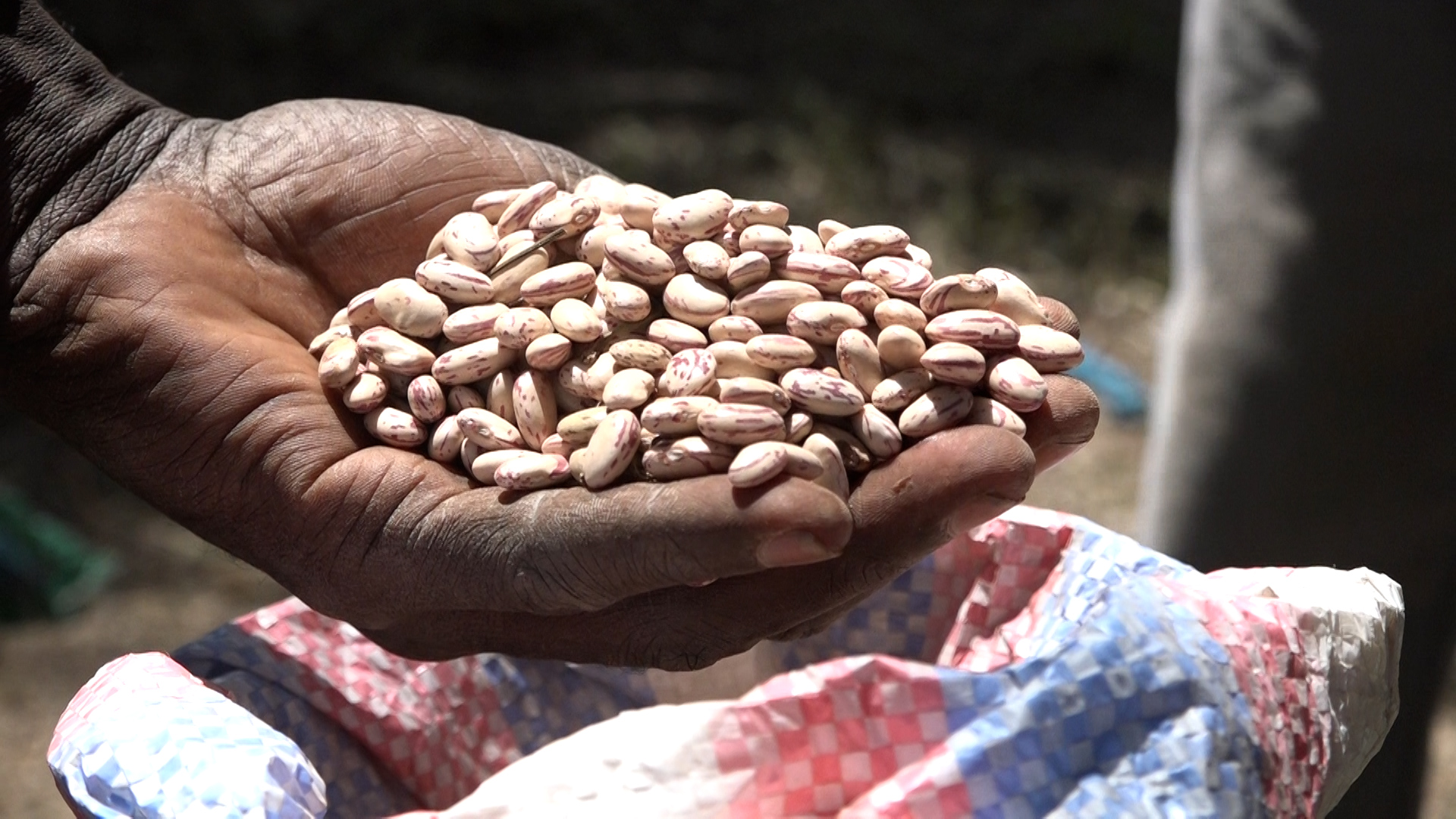
The red-mottled Nyota beans mature in 60–70 days, are drought-tolerant, disease-resistant, and produce 6–10 90 kg bags per acre.
They cook within 15–27 minutes, compared to up to three hours for traditional varieties, and are rich in nutrients.
“The fast-maturing and climate-adaptable Nyota bean improves household food security and nutrition while providing a marketable crop for farmers,” Machini added.
The variety, whose name means “star” in Swahili, was developed at KALRO Katumani and released for national trials and commercialization in 2017.
It thrives in both hot, dry regions and cold highlands, making it versatile for small-scale and subsistence farmers.